Dog Bite Claim Mistakes to Avoid After an Attack
Dog bite claim mistakes can weaken evidence, complicate liability, and reduce the strength of an injury case. Atlanta Auto Law helps preserve records, assess responsibility, and build a claim from the available facts.
Written by Ronnie Mabra
Request an EstimateWhat Should You Do After a Dog Bite?
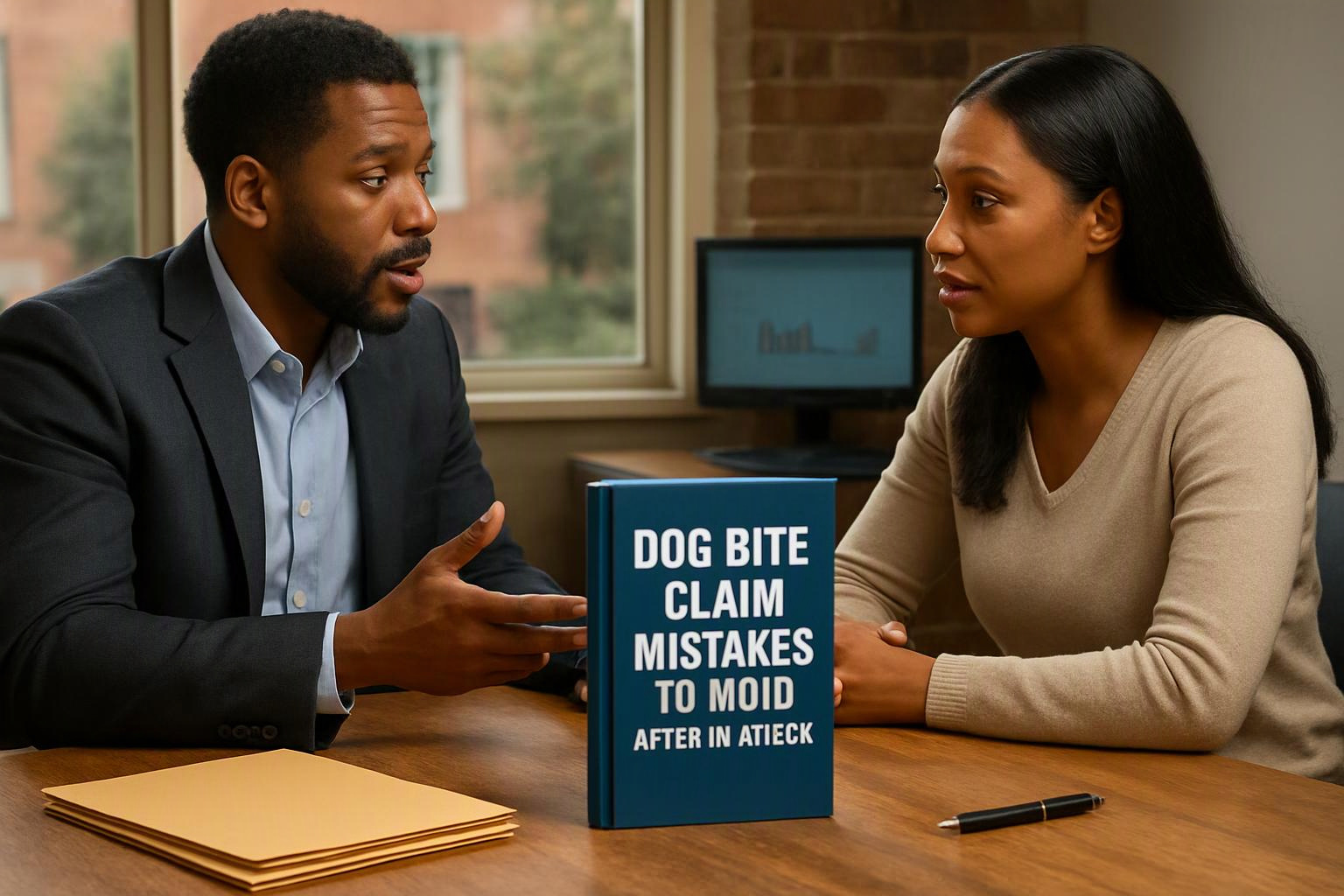
After a dog bite, seek appropriate medical attention, report the incident to the relevant authority, identify the dog and owner, preserve evidence, and avoid discussing fault before the claim is evaluated.
Wash and protect the wound as directed by medical staff, and tell the treating provider how the attack happened. A puncture wound may become infected, and medical records help connect the treatment to the dog attack.
Report the attack to animal control or law enforcement when appropriate. Ask how to obtain the incident report and preserve the dog owner’s information, witness details, and photographs.
Mistakes That Can Weaken a Dog Bite Claim
A dog bite claim may depend on evidence showing who controlled the dog, how the attack occurred, and what injuries followed. Liability may involve negligence, strict liability, premises liability, or comparative fault, depending on the facts and applicable law.
Damages may include medical bills, lost income, scarring, nerve damage, emotional distress, and future medical treatment. We review the available records and evidence before assessing how the claim should proceed.
For guidance focused on preserving and pursuing these issues, see our dog bite claims service page.
Mistake: Delaying Medical Care
Delaying medical treatment can make a dog bite injury harder to connect to the attack. People sometimes wait because the wound looks small or pain seems manageable.
A puncture wound can worsen through infection, and delayed care may leave gaps in the medical records. We use treatment records to evaluate causation, the injury’s progression, and the damages connected to the bite.
The correction is to seek appropriate care promptly and follow the treatment plan. Keep records of visits, prescriptions, symptoms, scarring, and any recommended future care.
Mistake: Failing to Report the Dog Attack
Failing to report a dog attack can leave the claim without an official incident record. An injured person may avoid reporting because the dog owner asks for privacy or promises to pay.
An animal control or law enforcement report may document the location, statements, dog description, and public safety concerns. We request and examine available incident reports during the claim investigation.
The correction is to report the attack to the relevant authority and keep the report information. Describe what happened accurately without guessing about fault.
Mistake: Not Identifying the Dog or Its Owner
Failing to identify the dog or its owner can make liability and vaccination issues difficult to evaluate. The injured person may leave before collecting contact information or may assume someone else will do it.
Record the dog owner’s identity, contact information, dog description, breed if known, and available rabies vaccination records. Animal control may also have information about ownership or prior aggression.
The correction is to collect identifying details without confronting the owner. We use those details to locate liability evidence and evaluate available insurance coverage.
Mistake: Failing to Take Photos and Preserve Physical Evidence
Failing to preserve photographic evidence can make the injury and scene harder to prove. People may take no photographs because they are focused on medical care or believe the wound will look the same later.
Photograph the injury, clothing damage, the scene, and wound progression when safely possible. Keep torn clothing and other physical evidence in its original condition.
The correction is to preserve the original files and avoid editing them. We compare injury photographs with medical records and other evidence when assessing damages.
Mistake: Losing Witness Information
Losing witness information can remove valuable evidence about the attack and the dog’s behavior. Witnesses may leave the scene, and their statements may become harder to obtain later.
Record each witness’s name and contact information when possible. A witness statement may help establish the incident timeline, whether the dog was controlled, and whether the injured person provoked the dog.
The correction is to preserve witness details and share them with us. We evaluate witness evidence alongside the incident report and other liability evidence.
Mistake: Giving a Recorded Statement Before Understanding the Claim
Giving a recorded statement before understanding the claim can create statements that an insurance adjuster uses against the injured person. An insurance company may request a statement during its claim investigation.
Stress, pain, or uncertainty can lead to incomplete answers or an unintended admission of fault. We review the facts and communication requests before deciding how the insurance claim should be handled.
The correction is to avoid guessing, minimizing injuries, or accepting blame in a recorded statement. Direct claim communications to our team when legal guidance is needed.
Mistake: Posting About the Attack on Social Media
Posting about a dog attack can create online statements that the insurance defense later presents as claim evidence. A person may post to seek support without considering how photographs, comments, or reactions could be interpreted.
Privacy settings do not guarantee that posts will remain private. We advise preserving relevant online material and avoiding public commentary about fault, recovery, or the insurance claim.
The correction is to pause social media discussion while the claim is evaluated. Keep communication factual and private.
Mistake: Accepting a Settlement Before the Injuries Are Understood
Accepting a settlement before the medical prognosis is clear can leave future medical care and other damages unpaid. An early settlement offer may seem helpful when medical bills and lost income are creating pressure.
A release agreement may end the claim even if symptoms, scarring, nerve damage, or emotional distress continue. We review the medical evidence, prognosis, insurance coverage, and full damages before evaluating a settlement offer.
The correction is to understand the injury and claim value before signing a release agreement. Do not deposit or sign settlement materials without reviewing their effect on the claim.
Dog Bite Claim Mistakes at a Glance
The table below connects each common mistake to its cause, claim risk, and practical correction. We use the same framework when reviewing evidence for a dog bite case.
| Claim mistake | Why it happens | Claim impact | Corrective action |
|---|---|---|---|
| Delaying medical care | The wound appears minor | Causation and injury progression may be disputed | Seek care and preserve medical records |
| Failing to report | The owner promises to handle it | The official record may be incomplete | Report the attack and preserve the report |
| Losing witness details | People leave the scene | Important liability evidence may be lost | Record names and contact information |
| Accepting an early settlement | Immediate financial pressure | Future damages may be released | Review the prognosis and release agreement |
What Information Should You Get About the Dog and Its Owner?
Information about the dog and its owner should include identity, contact details, the dog's description, vaccination information, and available witness details.
Ask for the dog owner’s name and contact information, and record the dog’s color, size, breed if known, and location. Request vaccination records through the proper channel, and note whether anyone mentioned prior aggression or earlier incidents.
Do not argue with the owner or make threats while collecting information. We use these facts to support the claim investigation and evaluate liability.
How to Preserve Evidence After a Dog Attack
Evidence preservation after a dog attack starts with keeping original records, images, and notes connected to the incident. The following steps help protect the details we may need to review.
We organize these materials into a claim record and compare them for consistency. Preserve original files instead of relying only on screenshots or edited copies.
When Should You Call Atlanta Auto Law About a Dog Bite Claim?
Call Atlanta Auto Law when the injury, evidence, or insurance response makes the claim difficult to evaluate alone. Legal guidance can help protect the record before important claim decisions are made.
We can preserve evidence, assess responsibility, and explain the next claim decision based on the available facts.
How Atlanta Auto Law Reviews a Dog Bite Claim
Atlanta Auto Law reviews a dog bite claim by organizing the claim investigation around medical records, witness evidence, animal control records, and the facts surrounding the attack.
We assess liability by examining ownership, control of the dog, warnings, location, prior incidents, and any claim of comparative fault. We also compare statements with photographs, physical evidence, and the incident report.
Our damages assessment considers medical bills, lost income, visible injuries, scarring, emotional distress, and future medical needs supported by the records. We then explain the available options and address settlement communications based on the evidence.
Author: Ronnie Mabra
What Does It Cost to Get Help With a Dog Bite Claim?
The cost of help with a dog bite claim depends on the injury, evidence, liability issues, and work required to evaluate and pursue the claim; Atlanta Auto Law provides Free Estimates Available.
Claim complexity may increase when medical evidence is incomplete, liability is disputed, the insurance company denies the claim, or future damages require careful review. We explain what our case evaluation covers and how the available facts affect the work involved.
To obtain an exact quote, contact our team with the incident report, medical records, photographs, witness information, and insurance communications you have. We review those materials before discussing the appropriate next step.
Questions About Dog Bite Claim Mistakes
Can I file a dog bite claim if I did not know the dog owner?
Yes, you may still be able to pursue a dog bite claim if the owner was not known at the scene. Atlanta Auto Law can review animal control records, incident reports, witness information, and other evidence that may help identify the dog or owner.
What happens if the dog owner says I provoked the dog?
A provocation claim makes the facts surrounding the attack important to liability. Witness statements, photographs, the incident report, medical records, and a clear timeline may help evaluate what occurred.
Can photos of a dog bite help prove my injury?
Yes, injury photographs can help show the wound’s appearance and progression when they are preserved with the related medical records. Photos may support the evaluation of scarring, infection, physical damage, and other damages.
Should I speak with the dog owner's insurance company?
You should use care when speaking with the dog owner’s insurance company because an adjuster may request a recorded statement or details about fault and injuries. Review the request before making statements that could affect the claim.
Can a dog bite claim include emotional distress?
Yes, a dog bite claim may include emotional distress when the available evidence supports that damage. Medical records, treatment notes, personal effects, and witness information may help show how the attack affected daily life.
Atlanta Auto Law helps injured people preserve evidence, evaluate liability, and address insurance decisions after a dog attack. Contact us through our contact page to discuss the available facts.