
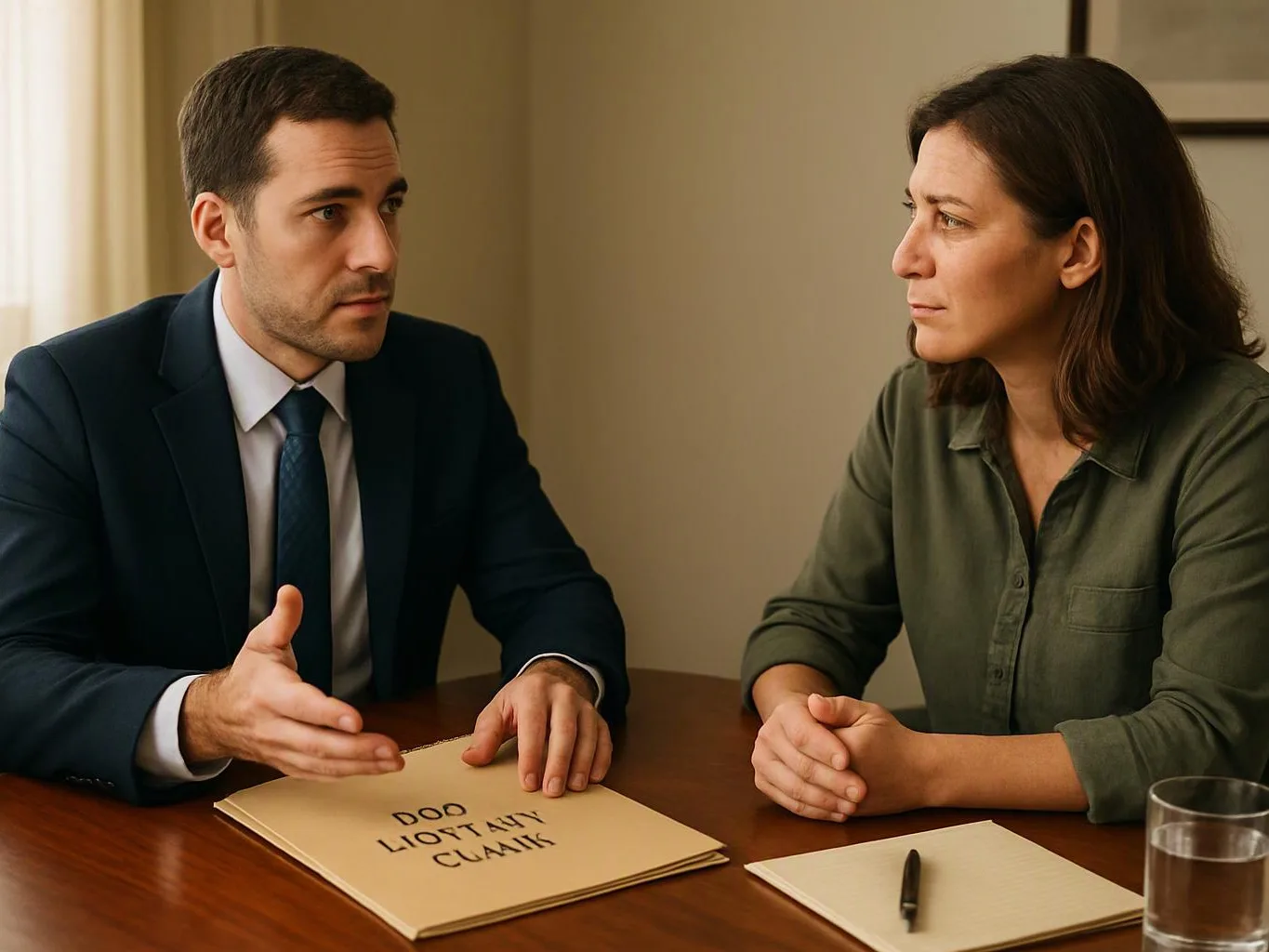
Initial case consultation
We discuss the attack, the injury, medical treatment, and immediate losses. This first review helps identify the facts that need support.
A dog attack can bring medical bills, missed work, and lasting pain. We build the claim around the facts, records, and losses that support your case.
Your medical treatment and related bills are organized into the claim.
Lost wages and other financial harm receive focused review.
The claim addresses pain, scarring, and the daily effects of the injury.
Insurance discussions move through a structured demand and negotiation process.
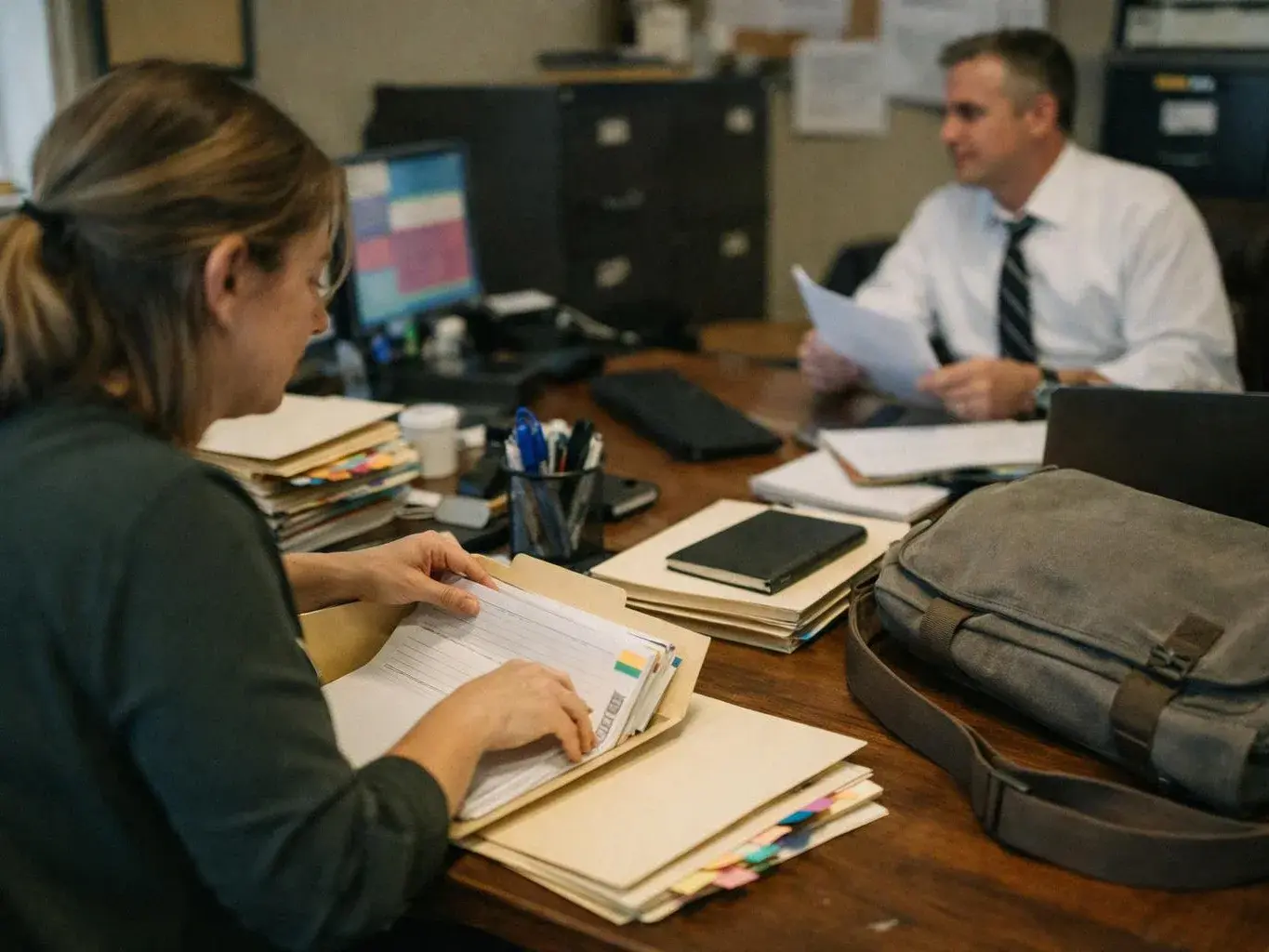
A dog bite claim connects the attack to the injury and the losses that followed. Those losses can include medical care, lost wages, pain and suffering, and other harm tied to the incident. Our work begins with intake and document review. We gather medical records, photographs, witness information, and available details about the dog and its owner. The facts matter. A claim may involve insurance negotiation, a demand letter, discovery, mediation, or trial. We explain the available path and manage the claim through negotiation or litigation when appropriate. Most importantly, we don't treat the first account as the whole case. We compare the incident details with treatment records, wage information, and other proof before presenting a compensation demand.
Dog bite claims are personal injury cases that seek compensation for harm caused by an animal attack.
We discuss the attack, the injury, medical treatment, and immediate losses. This first review helps identify the facts that need support.
We organize information about the dog, its owner, witnesses, warnings, and the setting. That review helps frame the responsibility question.
We gather medical records, bills, wage information, photographs, and other proof. These records show both the injury and its financial effect.
We prepare the claim and communicate with the insurer about liability, treatment, and losses. We explain proposed resolutions before decisions are made.
If negotiation does not resolve the claim, we assess mediation or litigation. Our preparation keeps the evidence and damages analysis organized for the next stage.
Bring what you have, even if the records are incomplete.
We explain how medical records, witness accounts, and insurance communications affect each dog bite claim.
We investigate the attack, gather supporting evidence, and manage negotiations or litigation for the injured client.
We explain contingency representation before engagement, including how attorney fees relate to a successful claim.
We’ll review your injury, records, and possible liability during a free consultation, and urgent requests get priority scheduling.
A bite may need follow-up care, wound treatment, or care for an infection. Those records matter because the claim should reflect the full course of treatment, not only the first visit. Keep bills, discharge papers, and photographs together, then bring them to the initial consultation so we can assess the injury and related losses.
Some injured people know the dog owner, while others only have witness details or a location. The claim still needs a careful review of ownership, warnings, and the events before the attack. Save names, messages, photographs, and witness contacts, and give us the full account during intake.
A hand, leg, or facial injury can keep someone from working or change the work they can perform. Wage loss needs support from employment and pay records, while treatment records show why work was affected. Gather those documents before the consultation, and tell us how the injury changed your work duties.




The information on this website is for general informational purposes only and is not legal advice, does not create an attorney-client relationship, and may not reflect current law in Decatur, Georgia, United States. Every situation is different; consult a licensed attorney about your specific matter. Prior results do not guarantee a similar outcome.
(678) 235-3870