Who may be responsible for a construction accident?
Subcontractor negligence may make a subcontractor responsible, but the general contractor, site owner, or equipment manufacturer may also share fault. Atlanta Auto Law checks control of the task, safety duties, contracts, equipment records, and witness accounts. Workers compensation issues can exist alongside a third-party claim. Each responsible party must be tied to facts from the accident.
What should be checked before legal work begins?
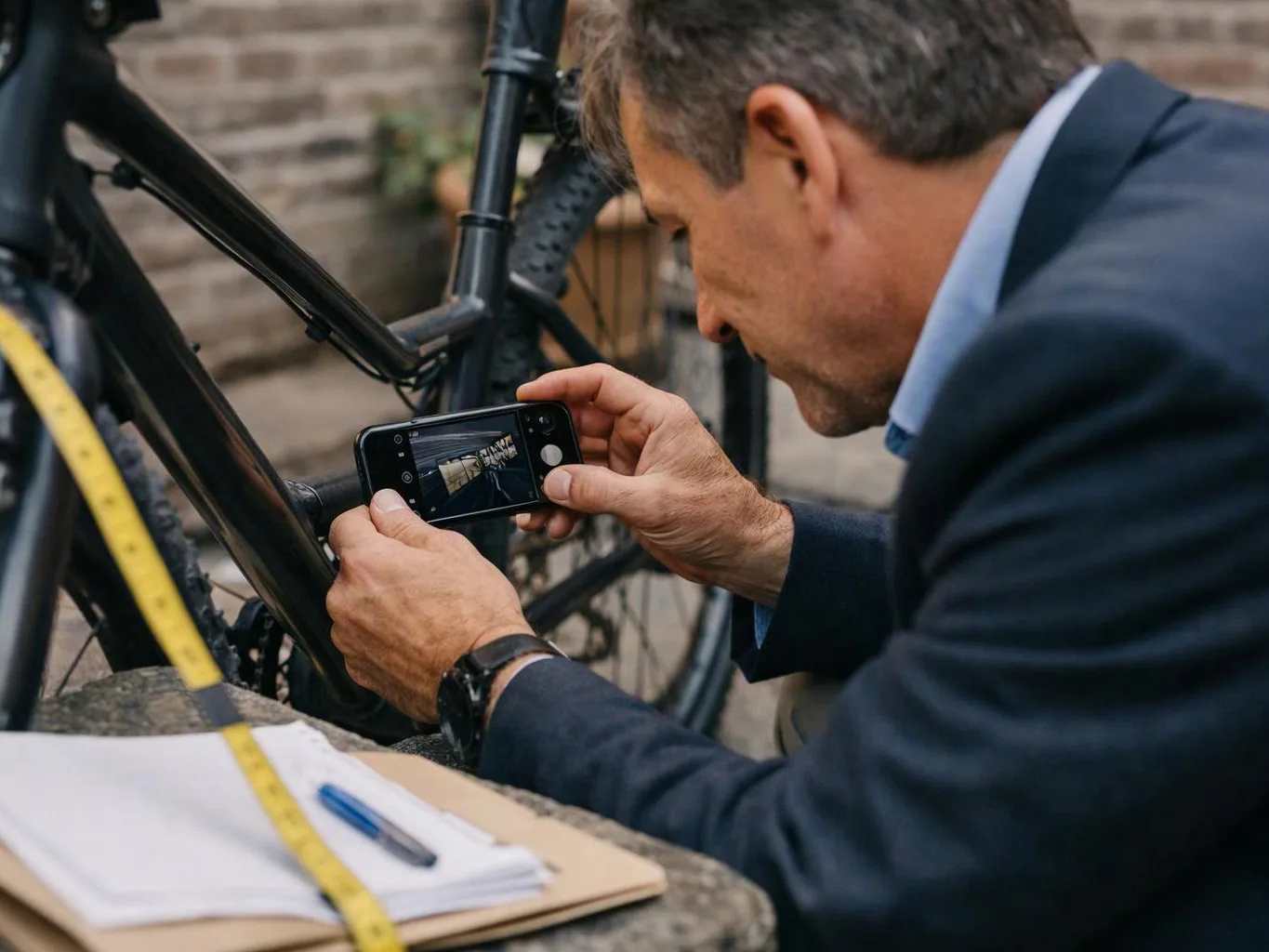
The accident details, medical treatment, work records, and involved companies should be checked before legal work begins. Useful records include the incident report, photographs, witness names, contracts, safety documents, and wage information. Missing records do not end the discussion, but early preservation helps protect the facts needed for a claim.
Which documents help support a construction injury claim?
Accident reports, medical records, photographs, contracts, safety records, and wage documents support a construction injury claim. Each record serves a different purpose. Medical records show the injury, contracts show assigned duties, and photographs may show the site condition. Our team organizes the available material before presenting the claim to an insurer.
How does a construction accident case move forward?
A construction accident case moves from intake and investigation to evidence review, insurance negotiation, and possible litigation. The main stages are:
- We record the accident and identify involved parties.
- We gather medical, work, site, and contract records.
- We assess fault and financial losses.
- We pursue settlement, mediation, discovery, or trial.
When is this service the wrong legal fit?
A construction accident service is the wrong fit when no injury claim connects to construction work. DUI defense, custody disputes, wage garnishment matters, and unrelated contract breaches need different legal services. A workplace injury may also require workers compensation guidance, while a third-party claim focuses on fault outside the employer relationship.
Why might an insurer deny a construction accident claim?
An insurer may deny a construction accident claim by disputing fault, causation, the severity of the injury, or the role of its policyholder. Our team compares the denial with accident reports, medical records, contracts, and witness statements. The review helps determine whether the claim needs more evidence, a demand letter, negotiation, or litigation.
What changes the legal work in a serious jobsite injury?
The number of responsible parties, injury severity, medical needs, wage loss, and disputed evidence change the legal work in a serious jobsite injury. A catastrophic injury may require records about future care and long-term restrictions. Multiple insurers can also add separate coverage questions that must be reviewed before settlement.