How can road hazards prove a driver's fault?
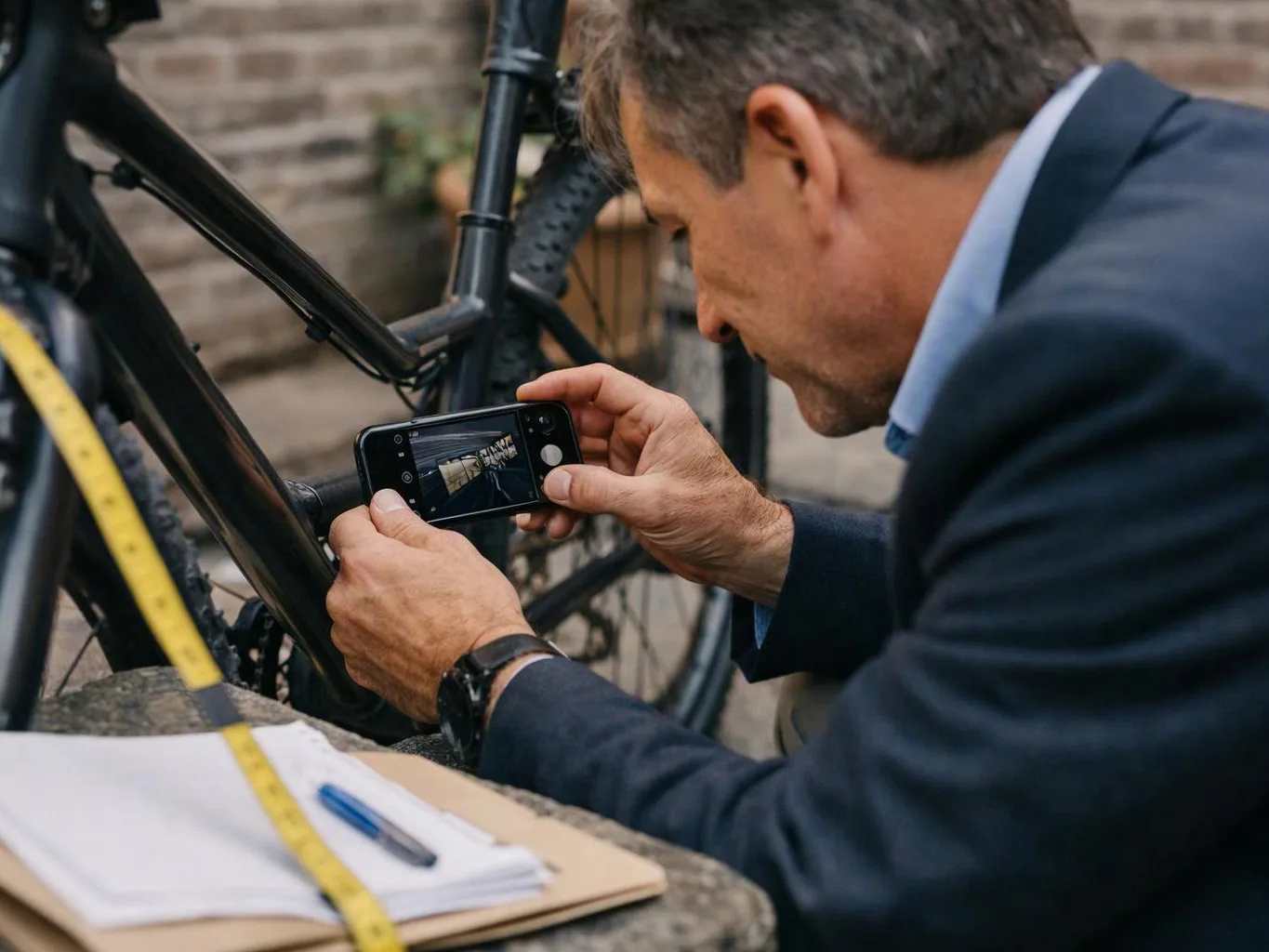
Road hazards can support fault when they explain why the driver failed to see, avoid, or safely respond to the cyclist. Atlanta Auto Law compares the road scene with bike lane evidence, camera footage, driver statements, and witness accounts. The claim also needs medical records that connect the collision to the injury. Physical evidence is strongest when it matches several independent records.
What documents should I bring to the first consultation?
Police records, medical records, photographs, insurance letters, wage documents, and witness details help start the review. Clients should also bring bicycle damage information and notes about the crash. Missing records do not prevent an intake, because our team can identify what needs to be gathered. A complete file helps us assess fault and losses more clearly.
Which part of the crash decides the legal scope?
The injury, disputed fault, insurance position, and available evidence decide the legal scope. A claim with clear liability may focus on medical expenses and wage loss, while a denied claim may require deeper investigation and litigation preparation. We explain which records support each issue before discussing settlement strategy.
When should I speak with a personal injury attorney?
A personal injury attorney should review the matter when an injury, disputed fault, or insurance request creates legal risk. Early guidance helps protect photographs, witness information, camera evidence, and medical records. Atlanta Auto Law also reviews claims involving serious injuries, denied coverage, lost wages, or a possible wrongful death.
Why do driver statements matter in a bicycle claim?
Driver statements matter because they record the driver's account of movement, visibility, and impact. Our team compares those statements with police records, camera footage, road conditions, and witness accounts. Conflicts can affect the fault analysis, so clients should avoid guessing about details and preserve every message or insurance letter.
Which material changes how long legal review takes?
The amount and quality of evidence change the time needed for legal review. Camera footage, medical records, police reports, witness accounts, and wage documents each answer different questions. We assess the available material first, then explain the next records needed. No fixed duration applies to every bicycle injury claim.
How does a bicycle claim move from the first call to the last step?
A bicycle claim moves from intake to evidence gathering, loss review, insurance negotiation, and settlement or litigation. Clients share the crash account and records first. We then compare fault evidence, prepare the legal position, and explain whether mediation, discovery, or trial fits the dispute. Each case follows its own facts.