Questions About Construction Injury Claims
Which part of the worksite decides the legal claim's scope?
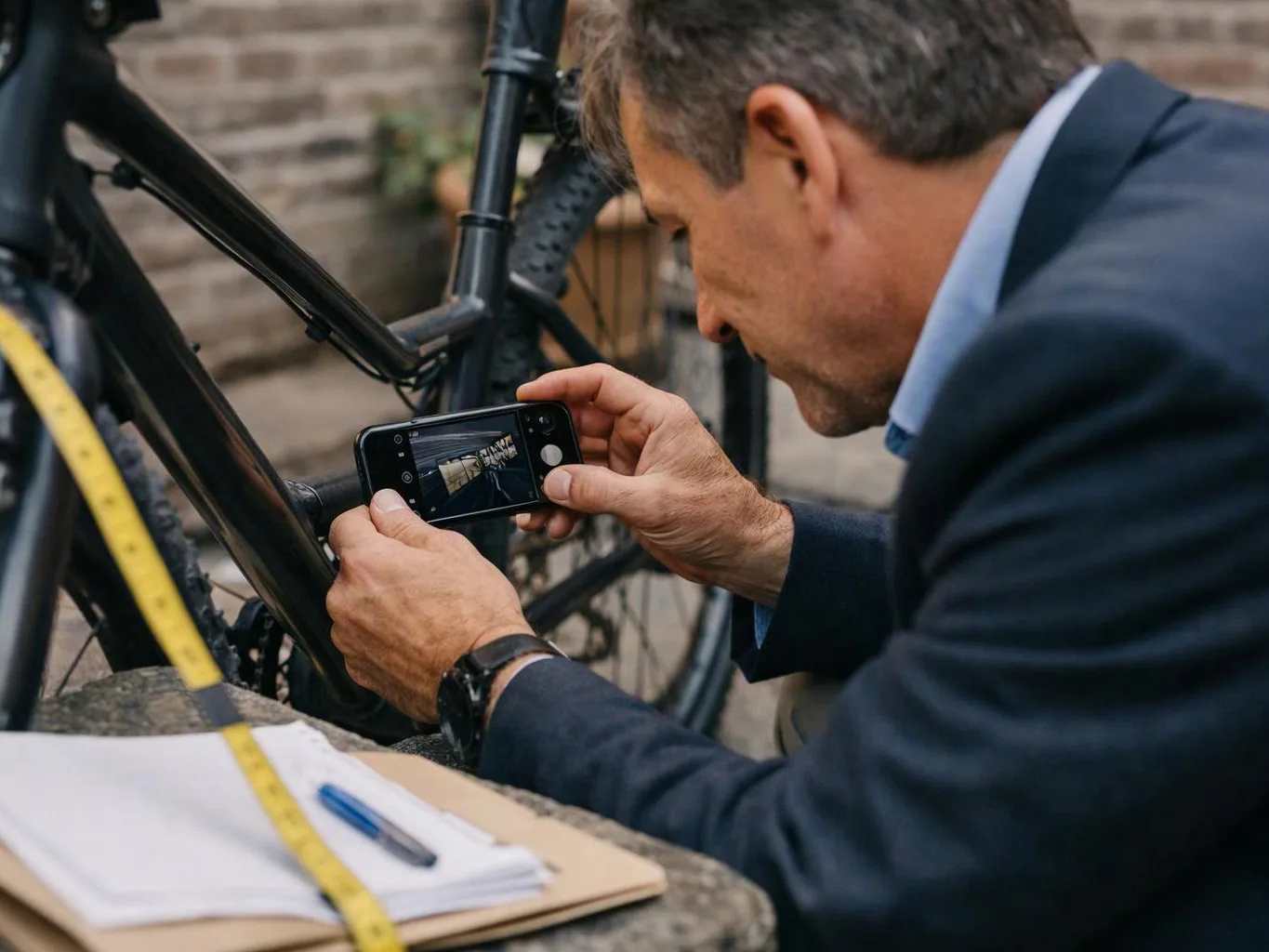
The worksite area, equipment, and parties directing the work help define the claim's scope. We identify who controlled the task, who owned the property or equipment, and which safety records exist. Those facts can point to workers compensation, premises liability, product liability, or a third-party injury claim.
How does a construction injury case move from the first call to the last step?
The case moves from intake and evidence review to claim analysis, insurance negotiation, and possible litigation. We begin with the accident account, medical records, wage documents, and insurance letters. We then prepare a demand, assess mediation, and handle discovery or trial preparation when settlement does not resolve the dispute.
What records should an injured worker bring to the first meeting?
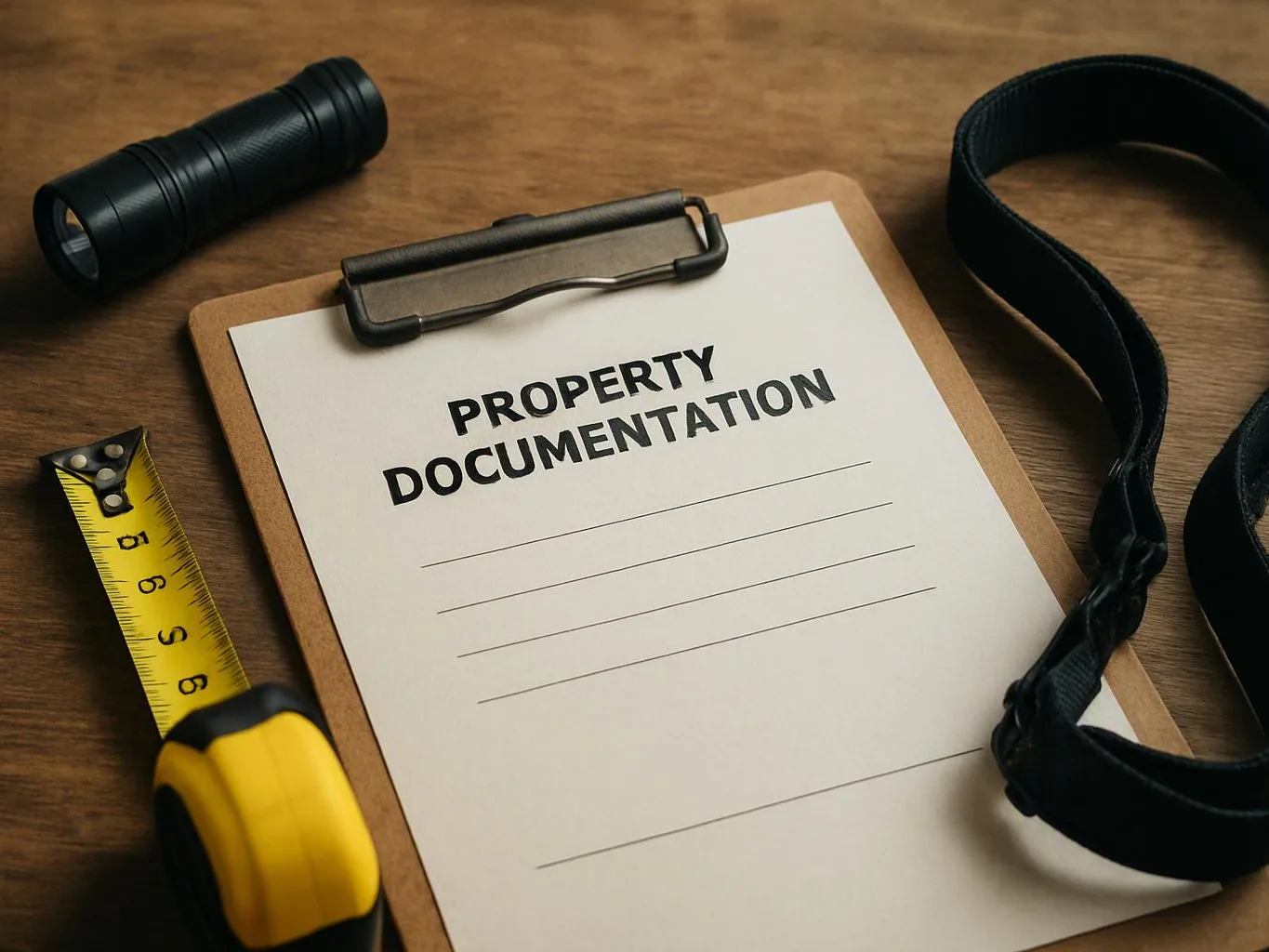
Medical records, bills, wage documents, accident reports, photographs, and insurance letters give the claim a useful starting record. Bring work restrictions and employer messages when available. We can begin reviewing a claim before every document is collected, then identify the records that need follow-up.
Why do insurers question future earning capacity?
Future earning capacity is disputed because it requires proof about work limits, medical outlook, job duties, and expected income. We compare those areas instead of relying on a single wage statement. The review may include treatment records, written restrictions, employment history, and evidence of permanent disability.
Which material changes how long claim preparation takes?
Medical evidence often changes the pace of claim preparation because treatment may still be developing. We track diagnoses, restrictions, future care opinions, and wage records before presenting long-term losses. The strength and completeness of those records affect the next legal step, not a fixed calendar period.
What does a construction injury attorney handle beyond insurance calls?
A construction injury attorney handles evidence gathering, medical expense review, wage-loss analysis, demand letters, negotiation, discovery, mediation, and trial preparation. Atlanta Auto Law also evaluates third-party claims when another person or company may share responsibility. The work stays focused on the injury, its losses, and the available legal path.