What Qualifies as a Personal Injury Case?
A personal injury case is a legal claim for physical, emotional, or financial harm caused by another party’s negligence or wrongful conduct. Atlanta Auto Law reviews the accident, evidence, responsibility, injuries, and available damages to assess whether a claim may qualify.
Written by Ronnie Mabra
Request an EstimateWhat Is a Personal Injury Case?
Author: Ronnie Mabra
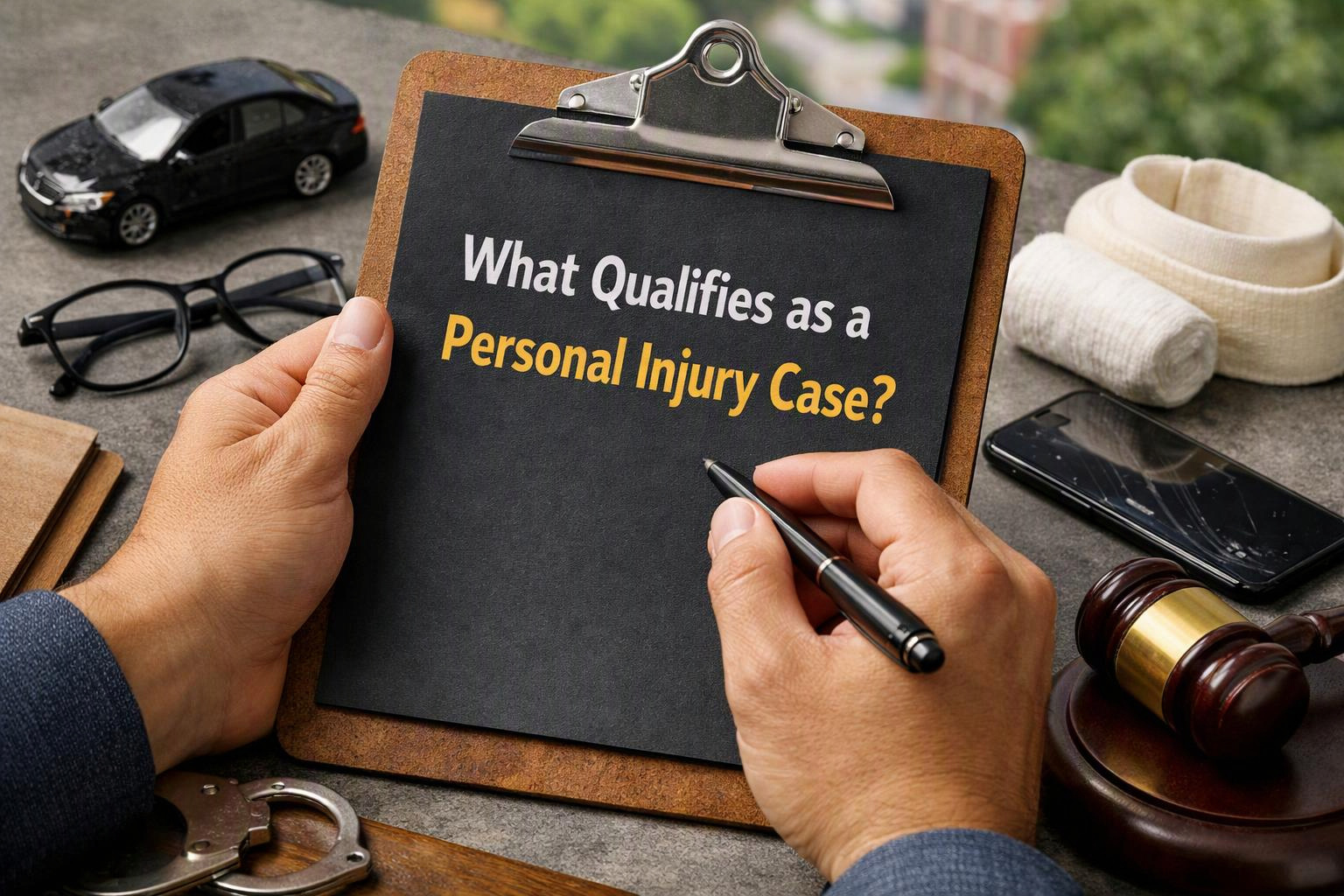
A personal injury case is a civil claim that seeks compensation for legally recognized harm caused by another party. The harm may involve bodily injury, emotional distress, financial loss, or a combination of these injuries.
A personal injury claim may arise from negligence, liability, or other wrongful conduct. The injury victim must connect the harm to a responsible party and support that connection with evidence.
Our team reviews the event, the medical treatment, the available proof, and the injury-related losses. You can learn more about our personal injury attorney services when you need help assessing a potential claim.
What Must Be Proven in a Personal Injury Case?
A negligence case generally requires proof that the responsible party owed a duty of care, breached that duty, caused the injury, and created legally recognizable damages.
The strength of a case depends on how clearly the evidence connects the conduct to the injury and establishes liability. We examine each part of the claim before discussing possible legal action.
Negligence is only one path to liability. The applicable legal theory depends on the conduct, the relationship between the parties, and the facts supported by the evidence.
Which Accidents Can Lead to a Personal Injury Claim?
Many events can lead to a personal injury claim when the facts show injury, legal responsibility, and a connection between the conduct and the harm. The type of accident often determines which evidence and legal rules matter most.
| Accident or claim type | Common focus of the claim |
|---|---|
| Motor vehicle accident | Driver conduct, traffic conditions, vehicle damage, and injury records. |
| Truck accident | Driver actions, trucking-company responsibility, vehicle condition, and available records. |
| Pedestrian accident | Driver awareness, roadway conditions, visibility, and pedestrian conduct. |
| Bicycle accident | Road use, driver behavior, visibility, and the severity of the bodily injury. |
| Slip and fall | The dangerous condition, notice of the condition, and whether reasonable care was used. |
| Premises liability | Property control, unsafe conditions, warnings, and the owner’s legal responsibility. |
| Workplace injury | The work-related event, available benefits, and whether another party contributed to the harm. |
| Medical malpractice | The medical standard, the care provided, and whether the care caused additional harm. |
| Wrongful death | The death, the responsible conduct, and the losses suffered by eligible survivors. |
Each accident type requires a fact-specific claim investigation. Our team matches the evidence to the legal theory that may support compensation.
How Do You Know If You May Have a Personal Injury Case?
You may have a personal injury case when an identifiable party may be legally responsible, the event caused an injury or loss, and evidence connects the conduct to the harm.
An injury diagnosis helps show that the event caused a real medical condition. Accident evidence, witness statements, a police report, and medical records may help connect the event to the responsible party.
An insurance claim does not by itself prove liability. We compare the accident report, treatment records, statements, and insurance correspondence to assess whether the proof supports a damages claim.
Can You File a Claim If You Were Partly Responsible?
Yes, partial responsibility may not automatically prevent a personal injury claim, but the effect depends on the applicable fault rules and the evidence assigning responsibility.
Comparative fault addresses shared responsibility by assigning fault among the parties. Contributory negligence may affect a claim differently, depending on the law that applies to the dispute.
Fault allocation can affect claim value and whether compensation remains available. We examine statements, records, photographs, and other evidence before assessing how responsibility may be divided.
Which Losses Can a Personal Injury Claim Address?
A personal injury claim may address financial, physical, and emotional losses caused by the injury. The available damages depend on the evidence and the legal rules that apply.
We organize the losses into a damages claim and connect each item to supporting records. A settlement or lawsuit must account for the losses that the evidence can support.
What Evidence Helps Support a Personal Injury Case?
Evidence supports a personal injury case by showing what happened, who may be responsible, and how the injury affected the victim.
Useful evidence may include accident-scene photographs, video evidence, medical documentation, witness testimony, employment records, and insurance correspondence. An accident report and medical records can also help establish timing and causation.
Preserve relevant evidence as soon as possible. Our team reviews the available proof and identifies gaps that may affect liability or the value of the claim.
How Atlanta Auto Law Reviews a Potential Injury Claim
Atlanta Auto Law reviews a potential injury claim through a structured case evaluation that connects the accident, liability, injuries, and losses.
Our process keeps the injury, proof, responsibility, and damages analysis connected. That approach helps us identify the issues that may strengthen or weaken a claim.
What Should You Do After an Accident?
After an accident, protect your health, document the event, preserve evidence, and limit statements that could be misunderstood.
Early records can help preserve the details of the event and the development of the injury. We can review the information you have before you decide how to proceed.
When Should You Discuss an Injury Claim With Atlanta Auto Law?
You should discuss an injury claim with Atlanta Auto Law when you have an injury, a possible responsible party, or a dispute about liability or compensation.
A claim review can help organize injury documentation, evaluate an insurance settlement, and identify proof that may support your position. This discussion can also clarify whether the facts point toward negotiation, further investigation, or a lawsuit.
Our team examines the accident and the available records before explaining the legal options. Contact us through our contact page to request a claim review.
Questions About Personal Injury Cases
What is the difference between negligence and strict liability?
Negligence generally requires proof that a party failed to use the required care and caused harm, while strict liability may focus on the activity or condition that caused the harm without requiring the same negligence showing. Atlanta Auto Law reviews the facts and the applicable legal theory before assessing the claim.
Does an injury have to be serious to support a personal injury claim?
No, an injury does not have to meet one universal level of seriousness to support a personal injury claim. The diagnosis, treatment, effect on daily life, available proof, and legal responsibility all matter.
Can emotional distress qualify as a personal injury?
Yes, emotional distress may qualify as part of a personal injury claim when the facts and evidence connect it to the event and the responsible conduct. Medical documentation and other records may help show the nature and effect of the distress.
What happens if the other party denies responsibility?
If the other party denies responsibility, the claim may require a closer review of the accident evidence, witness statements, medical records, and fault allocation. We assess the denial, respond with supporting proof, and explain whether negotiation or a lawsuit may be appropriate.
A personal injury case may qualify when an injury or loss is connected to another party’s negligence, liability, or wrongful conduct. Atlanta Auto Law reviews the evidence, responsibility, damages, and insurance position so you can make an informed decision about your claim.
Contact Atlanta Auto Law for a claim review.
Related Resources
When a Workplace Injury May Involve a Third-Party Claim
What to AvoidCommon Mistakes That Can Hurt a Personal Injury Claim
Brand vs BrandPersonal injury attorney Companies Worth Comparing in Atlanta (2026)
Brand vs BrandAtlanta Auto Law vs Local Personal injury attorney Alternatives in Atlanta: Side-by-Side Comparison