The Personal Injury Claim Process, From Investigation to Resolution
Personal injury claim work begins with investigation, medical documentation, and liability analysis, then moves through demand preparation, insurance negotiation, and possible litigation. Atlanta Auto Law handles the evidence review, claim strategy, communications, and resolution path with the client.
Written by Ronnie Mabra
Request an Estimate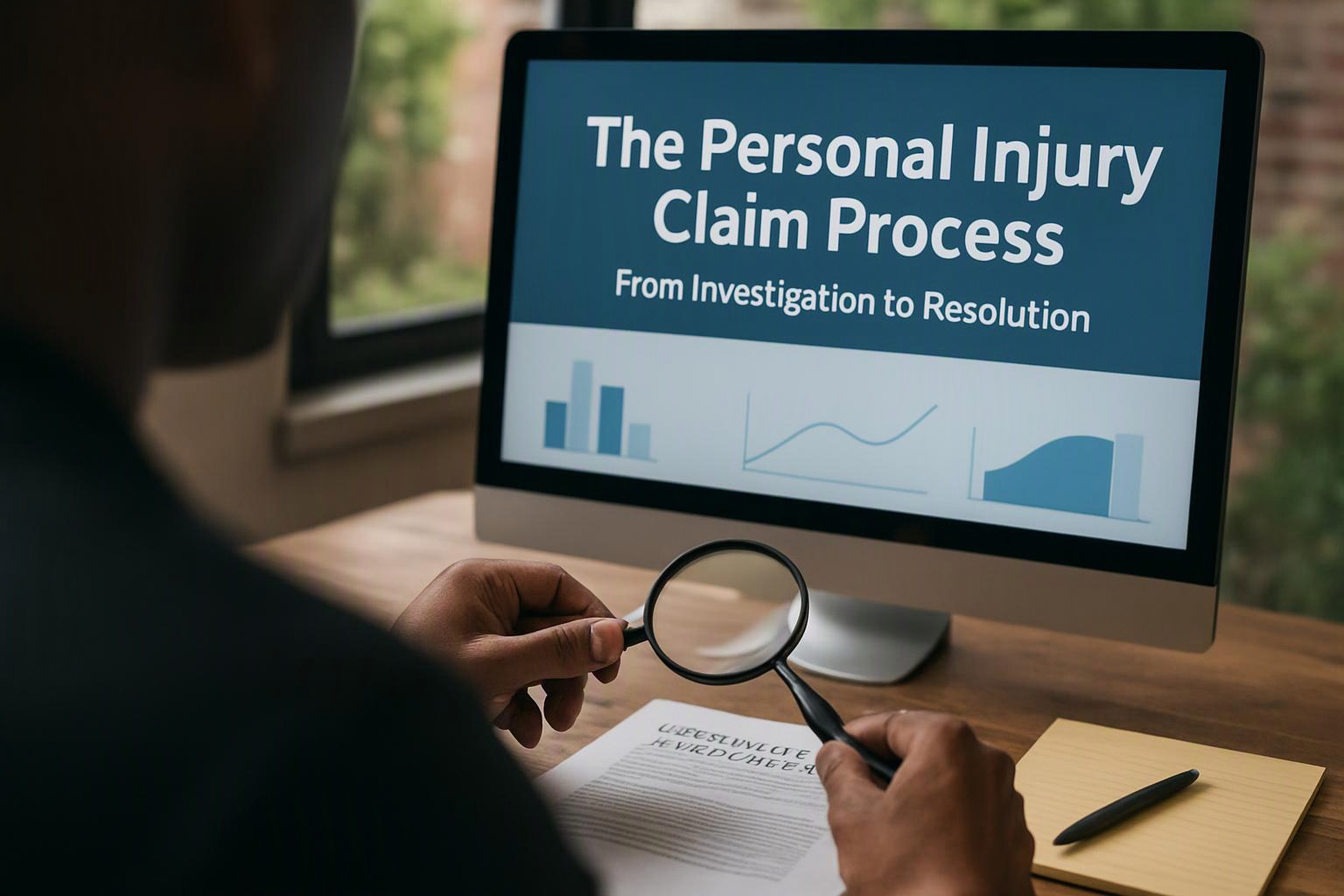
Ronnie Mabra provides the author attribution for this guide. Our team explains each transition so an injured person can make informed decisions about an injury claim, accident claim, or other compensation claim.
What Is the Personal Injury Claim Process?
The personal injury claim process is a legal pathway that evaluates an injury, identifies liability, documents damages, seeks compensation, and resolves through settlement or trial.
A personal injury claim may begin as an insurance claim after an accident. If the insurance company does not resolve the dispute, the matter may become a legal claim or civil dispute. The injured person may seek damages for medical bills, lost income, pain and suffering, and other losses tied to the incident.
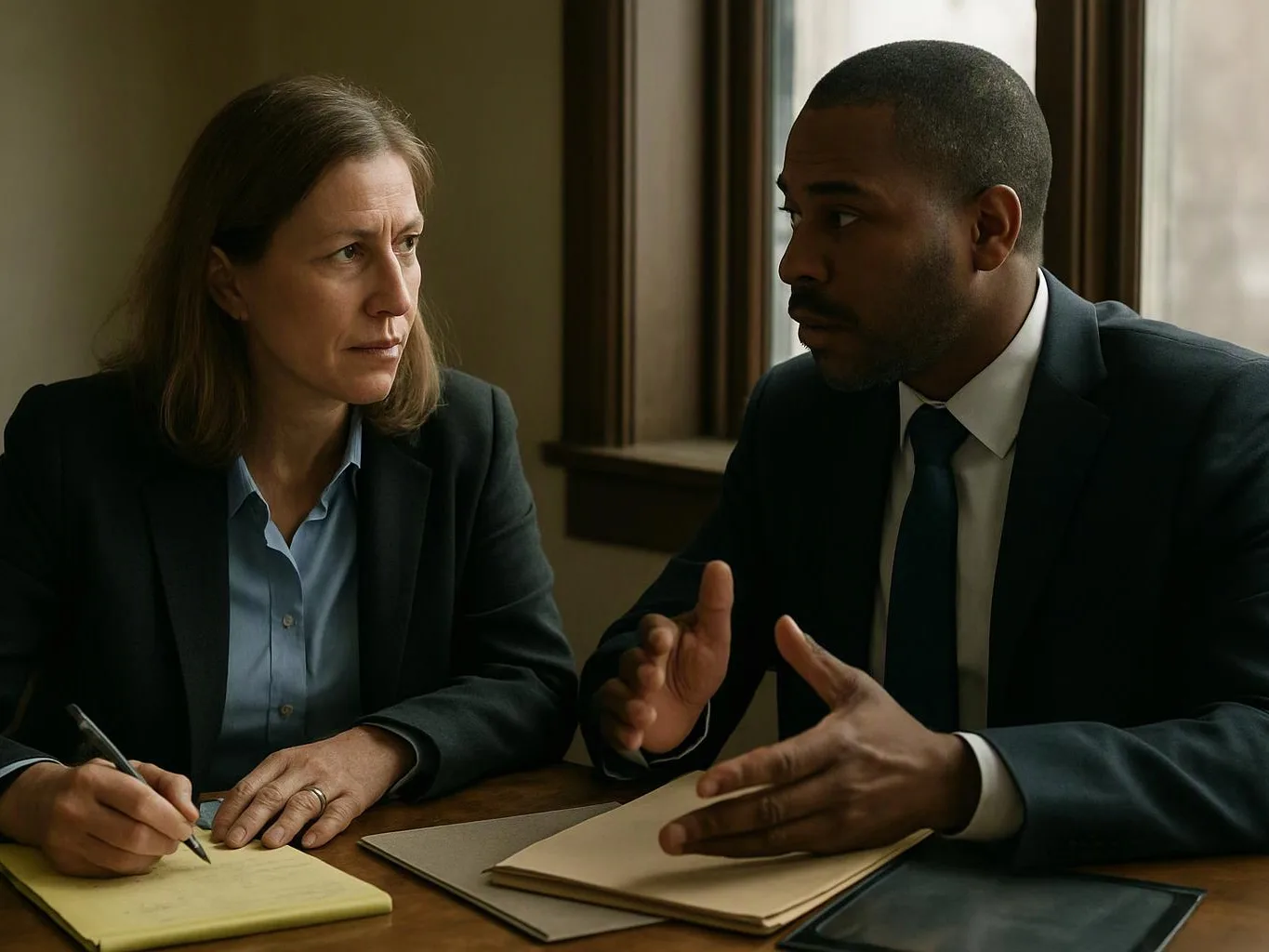
Our personal injury attorney team reviews the facts and builds a claim strategy around the evidence, the responsible party, available insurance coverage, and the effect of the injury.
What We Investigate Before Presenting a Claim
Personal injury claim investigation establishes how the incident happened, who may be responsible, and how the injury affected the claimant.
We begin with an evidence review that may include accident evidence, photographs, video, a police report, and a witness statement. When the facts require it, our team examines accident reconstruction materials to clarify the sequence of events.
We compare that information with medical records and medical treatment records. We also review insurance coverage and communications with the insurance company to identify available sources of compensation and possible disputes over proof of liability.
The Main Steps From Investigation to Resolution
The main personal injury claim steps move from an initial review to evidence development, negotiation, and a resolution path chosen with the client.
The process does not follow the same path for every accident claim. Our team reassesses the evidence, medical progress, and settlement position at each transition.
How We Evaluate Liability and Damages
Liability and damages evaluation connects negligence to the injury and measures the losses that the claim may support.
We examine whether another party owed a duty, breached that duty, and caused the injury. Causation requires evidence linking the conduct to the medical condition and claimed losses.
Economic damages may include medical bills, lost income, and future medical expenses. Non-economic damages may include pain and suffering and the effect of the injury on daily life. We use medical documentation, employment records, and other supporting evidence to develop the claim valuation.
How We Prepare and Submit the Demand
A demand letter presents the claim valuation and asks the insurance company to resolve the documented losses.
We prepare a demand package that explains the incident, the proof of liability, the medical treatment, and the damages documentation. The package may include medical records, bills, photographs, witness information, and records supporting lost wages.
We submit the demand to the insurance adjuster and track the response. Our team then evaluates whether the insurer’s position addresses the evidence and the client’s losses.
What Happens During Insurance Negotiations?
Insurance negotiation involves presenting documented losses, responding to the insurer's position, and evaluating whether a proposed settlement fairly addresses the claim.
The insurance adjuster may question liability, causation, treatment, or the amount of damages. We respond with claim documentation and explain why the evidence supports the settlement demand.
A counteroffer does not decide the claim by itself. We compare the offer with the documented losses, insurance coverage, litigation risks, and the client’s goals. If the parties reach an agreement, the settlement authority is confirmed and the client reviews the settlement agreement and release before signing.
What Happens After a Personal Injury Lawsuit Is Filed?
After a personal injury lawsuit is filed, the parties exchange evidence, respond to formal requests, take depositions when needed, address motions, and pursue settlement or trial.
The complaint states the legal claims and requested relief. Service of process gives the defendant formal notice, and the answer responds to the allegations.
During discovery, the parties use interrogatories, document requests, and depositions to develop the facts. We prepare the client for a deposition, review the other side’s evidence, and address disputes through motions when necessary.
Mediation may occur during litigation. A lawsuit can settle at mediation or through direct negotiation. If no agreement is reached, the case continues toward trial and a possible court judgment.
How Can a Personal Injury Claim Be Resolved?
A personal injury claim can resolve through an insurance settlement, a negotiated lawsuit settlement, mediation, or a trial verdict.
Each resolution path involves different evidence, decisions, and formal documents. We explain the consequences of each path before the client decides how to proceed.
| Resolution path | How it works | Result |
|---|---|---|
| Insurance settlement | The parties resolve the claim through insurance negotiations before a lawsuit. | A settlement agreement and release usually document the resolution. |
| Lawsuit settlement | The parties negotiate after the court filing and during litigation. | The case ends through agreed settlement terms. |
| Mediation | A neutral process helps the parties discuss resolution. | The case resolves if the parties accept and document an agreement. |
| Trial verdict | The court hears evidence and legal arguments after the dispute remains unresolved. | The result may become a court judgment subject to applicable court rules and review. |
What Changes the Time Needed to Resolve a Claim?
Personal injury claim timing depends on medical progress, evidence availability, liability disputes, insurer conduct, damages complexity, and whether litigation is required.
Medical treatment can affect when the full effect of an injury becomes clear. A liability dispute may require more evidence, witness review, or accident reconstruction. Insurance coverage issues can also change the negotiation path.
Damages documentation may develop as medical providers document recovery and future medical care. Court schedules and litigation complexity add factors that our team monitors throughout the case.
There is no reliable universal duration for every personal injury case. We provide updates as the evidence, negotiations, and court events develop.
What Happens If a Personal Injury Claim Does Not Settle?
When a personal injury claim does not settle, the claimant may continue litigation through discovery, mediation, motions, and trial subject to applicable deadlines.
A settlement impasse may result from disputed liability, causation, damages, insurance coverage, or the value assigned to the claim. We explain the dispute and assess whether continued negotiation or a lawsuit better protects the client’s position.
The statute of limitations is a legal deadline that can affect the right to bring a lawsuit. Our team reviews applicable deadlines and takes action based on the facts and governing law.
How We Keep the Claim Moving Toward Resolution
We keep the claim organized by tracking evidence, medical updates, communications, and decisions at each stage.
Our work connects each task to the next decision. That process helps prevent important evidence or legal deadlines from being overlooked.
What Should You Bring to an Initial Claim Review?
An initial claim review is more useful when the injured person brings records that show what happened, what treatment occurred, and how the injury affected daily life.
Do not delay a review because a record is unavailable. We can identify the evidence that needs to be requested and organize the available materials into a practical claim plan.
Questions About the Personal Injury Claim Process
Do I need to finish medical treatment before starting a personal injury claim?
No, you do not always need to finish medical treatment before starting a personal injury claim. Atlanta Auto Law can begin investigating the accident, preserving evidence, and tracking medical treatment while the injury is evaluated.
Can an insurance company deny a personal injury claim?
Yes, an insurance company can deny a personal injury claim by disputing liability, causation, medical treatment, coverage, or damages. We review the denial, identify the evidence needed, and evaluate negotiation or litigation options.
What evidence helps prove a personal injury claim?
Evidence that may help prove a personal injury claim includes photographs, video, witness information, a police report, medical records, treatment notes, income records, and communications with the insurance company.
Should I accept the insurance company's first settlement offer?
No, you should not accept an insurance company’s first settlement offer without reviewing the documented losses, future medical needs, liability evidence, and release terms. We evaluate the offer and explain the available response.
When should a personal injury claim become a lawsuit?
A personal injury claim may become a lawsuit when negotiations reach an impasse, the insurer disputes responsibility or damages, or a legal deadline requires action. We assess the evidence, timing, coverage, and litigation risks before recommending a court filing.
Start a Personal Injury Claim Review
Atlanta Auto Law reviews the accident evidence, medical documentation, liability issues, and available resolution paths with you.
Contact our team to discuss the facts and determine the next step for your personal injury claim.
Get a Free EstimateRelated Resources
When a Workplace Injury May Involve a Third-Party Claim
What to AvoidCommon Mistakes That Can Hurt a Personal Injury Claim
Brand vs BrandPersonal injury attorney Companies Worth Comparing in Atlanta (2026)
Brand vs BrandAtlanta Auto Law vs Local Personal injury attorney Alternatives in Atlanta: Side-by-Side Comparison