How can a rideshare accident lawyer determine liability?
Driver status helps determine liability by showing what the rideshare driver was doing when the crash occurred. Atlanta Auto Law compares app activity with the police report, witness accounts, vehicle damage, and medical records. The review can identify a driver, platform, another motorist, or multiple parties for the claim.
What records should I bring to the first case review?
Crash records give the first review its factual base. Bring the police report, photographs, medical records, insurer letters, wage information, witness details, and rideshare trip information if available. We can begin reviewing the claim with the records you have and identify what needs follow-up.
Which driver status changes the liability review?
The driver's app status changes the liability review because each trip stage can raise different coverage questions. Offline driving, waiting for a request, traveling to a rider, and carrying a passenger create different facts for analysis. We confirm the status through available platform records and compare it with the crash evidence.
What does vehicle damage add to a rideshare claim?
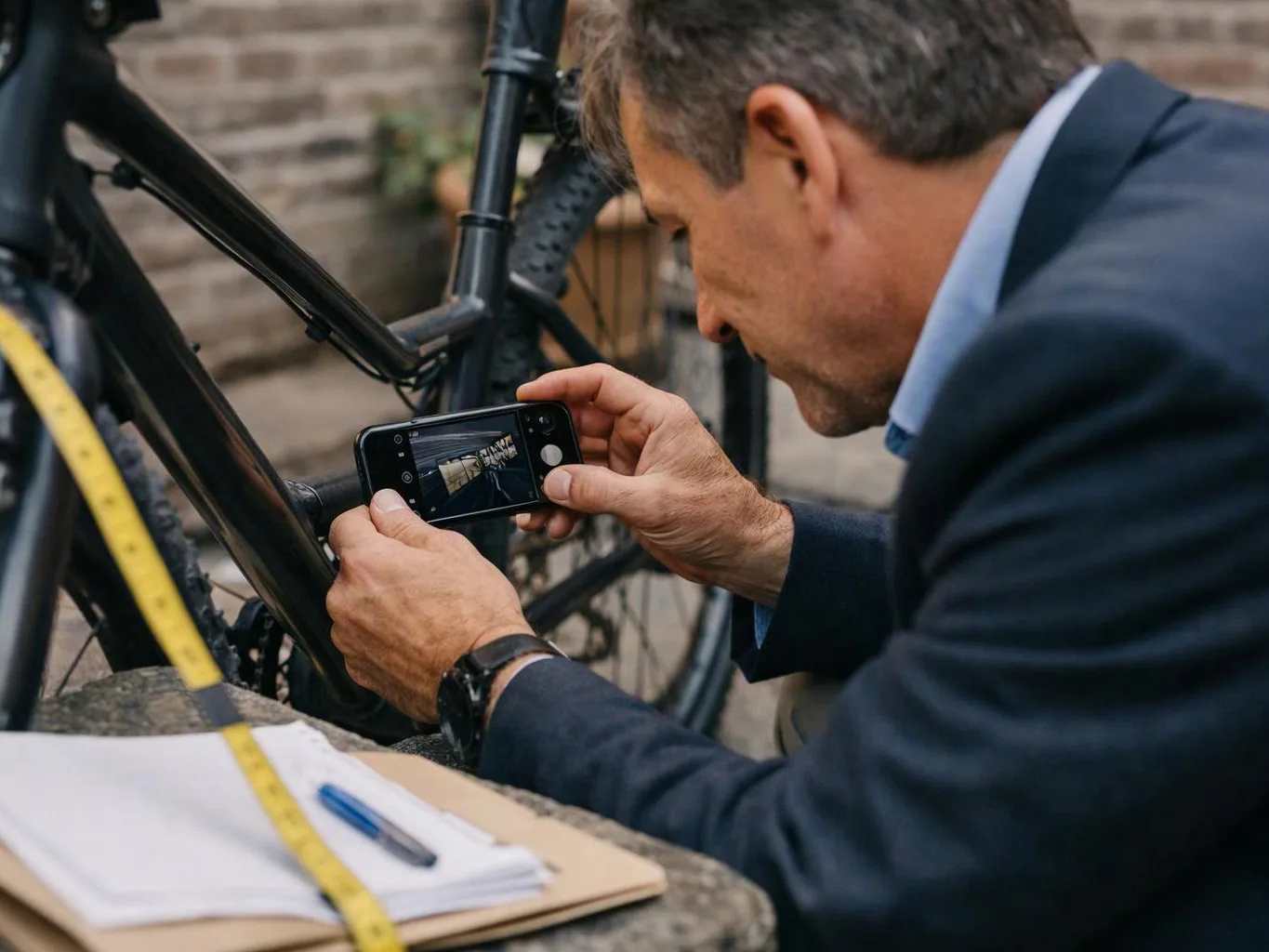
Vehicle damage helps test the direction, force, and sequence of the collision. Photographs, repair records, impact points, and the police report can support or challenge each driver's account. Our team compares property damage with witness statements and injury records before discussing liability with insurers.
When should I speak with a lawyer after a rideshare crash?
Early legal review helps preserve the driver's status, platform records, crash evidence, and medical link. You should seek advice before giving a detailed recorded statement to an insurer. Keep medical records, photographs, messages, and wage documents, then provide them for a focused claim assessment.
Why might a rideshare claim involve more than one party?
A rideshare claim may involve the driver, a platform, another motorist, or a vehicle owner. Liability depends on conduct, driver status, crash evidence, and the injury record. We compare each party's connection to the collision before pursuing insurance negotiation, settlement, or litigation.
How does a rideshare claim move from the first call to the last step?
The claim moves from intake to evidence review, liability analysis, insurance communication, and a settlement or litigation decision. We gather police and medical records, confirm driver status, assess losses, and prepare the demand. If the parties do not resolve the matter, discovery, mediation, or trial may follow.