How do rideshare insurance claims work after a crash?
Settlement negotiations begin after the claim facts and available coverage are reviewed. Atlanta Auto Law first checks the driver's app status, the crash report, medical records, and insurer communications. Coverage can differ when the driver is offline, waiting for a request, traveling to a passenger, or carrying a passenger. We then assess liability and the proper claim path.
What should I ask before agreeing to rideshare claim representation?
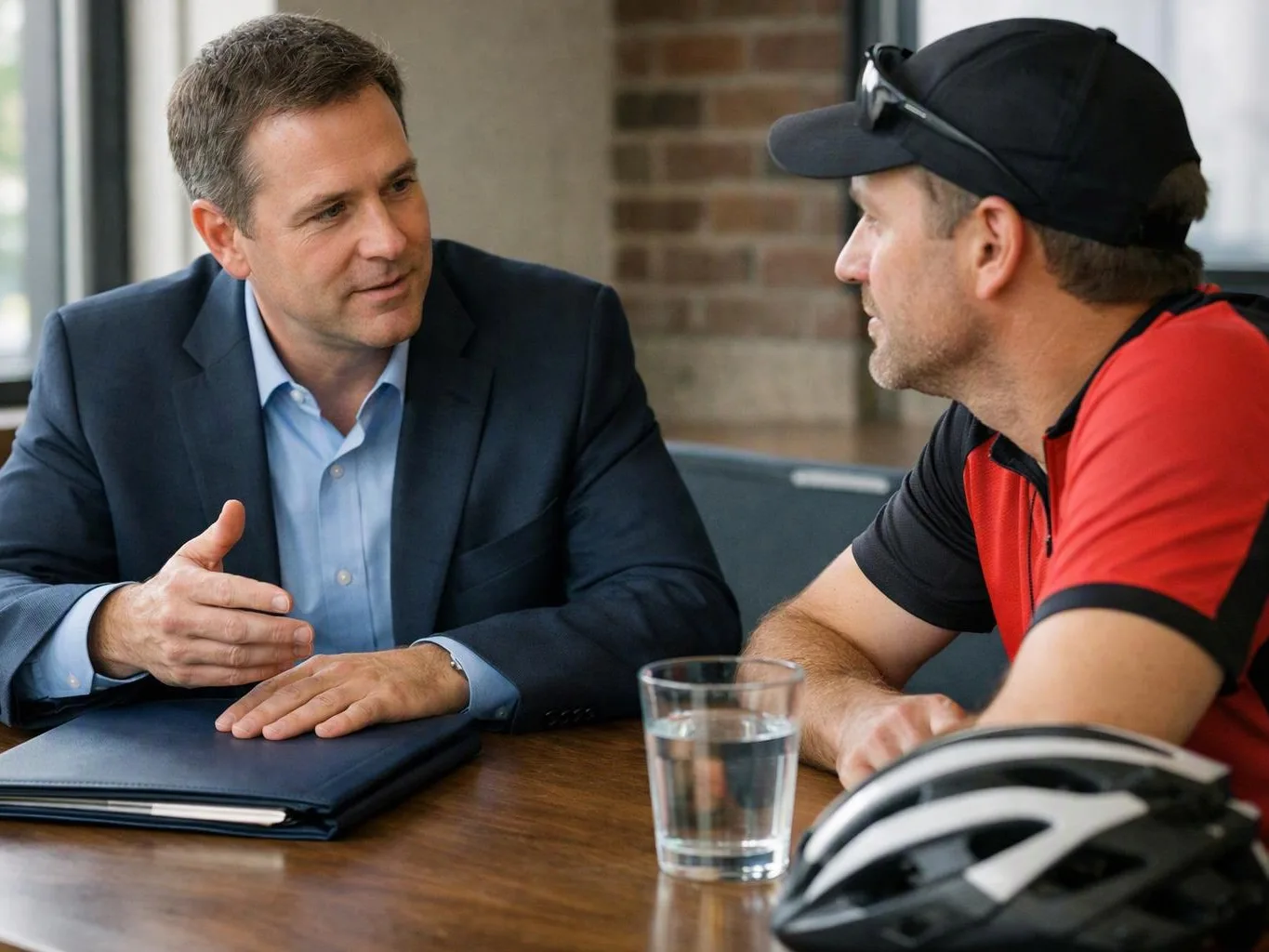
The first meeting should explain the claim scope, evidence plan, fee terms, and expected communication process. Ask which records the firm will review and how it will address disputed coverage. You should also understand whether the matter could involve mediation, discovery, or trial. Clear answers help you choose representation that fits the injury and the claim.
Which condition changes the time needed to review a rideshare claim?
The main time factor is the amount of disputed evidence about the driver's activity, fault, or injury. A claim with unclear app status, conflicting accounts, or ongoing medical treatment needs closer review. Police reports, medical records, witness details, and insurer messages help define the work. We explain what remains open after reviewing those records.
When should I contact a lawyer after a rideshare crash?
Contacting a lawyer is sensible when an injury, disputed fault, denied claim, or confusing insurance position affects the case. Early review helps preserve crash evidence and organize medical records. You don't need a complete file before asking about the claim. We can assess the facts you have and identify the records still needed.
Why can one rideshare crash involve several insurers?
Several insurers can become involved because the driver's app status may change the available coverage. The driver's policy, rideshare coverage, and another driver's policy can each raise different questions. We compare the accident facts with the insurance communications. That review helps identify which claims should be presented and which issues remain disputed.
What records should I bring to the first consultation?
Useful records include the police report, medical records, photographs, witness information, insurance letters, and wage documents. Bring rideshare trip details or app messages if you have them. A complete file isn't required to begin a review. We organize the available evidence and explain which missing records could affect the claim.
How is a claim matched to the facts before work starts?
The claim is matched through an intake review of the crash, injury, driver activity, insurance position, and available records. We ask whether the driver was carrying a passenger, waiting for a request, or driving personally. That information helps define the coverage issue. We then explain whether the matter fits personal injury representation.