Can a manufacturer be liable for failing to warn about product risks?
Yes, a manufacturer can face liability when a missing or inadequate warning concerns a risk users could reasonably encounter. Atlanta Auto Law begins with the label instructions, product use, hazard, injury records, and manufacturer evidence. The review also considers whether a clearer warning could have reduced the risk. Product preservation matters, so keep the item and packaging available.
What does the legal review look at first?
The product, packaging, instructions, and injury connection come first. We identify the manufacturer and seller, preserve photographs and purchase records, and review medical treatment. The warning's wording and placement also matter. These facts help separate a warning claim from a design, manufacturing, or unrelated accident claim.
What should be checked before representation begins?
The product, injury records, purchase proof, and insurer communications should be checked before representation begins. We also need the available instructions, warning materials, photographs, and witness details. A complete record helps identify the hazard and assess whether foreseeable misuse affects the claim.
Who is a good fit for this service, and who needs a different service?
People injured by an unsafe product are a good fit for this service, while unrelated disputes need another legal practice. Product evidence, medical records, and warning materials should connect the item to the injury. A claim based only on driver fault may fit car accident representation instead.
How does foreseeable misuse affect a warning claim?
Foreseeable misuse can support a warning review when the manufacturer could reasonably expect that use. The analysis examines the product's design, instructions, warning language, and actual use. We also review whether the claimed misuse caused the injury or whether another defect played the larger role.
Which records help show the product caused the injury?
Medical records, product photographs, purchase proof, witness accounts, and packaging help connect the product to the injury. We review treatment notes and expense records alongside the product evidence. Manufacturer emails, insurer letters, and instruction sheets can also clarify what risk the user faced.
Why should I preserve the product after an injury?
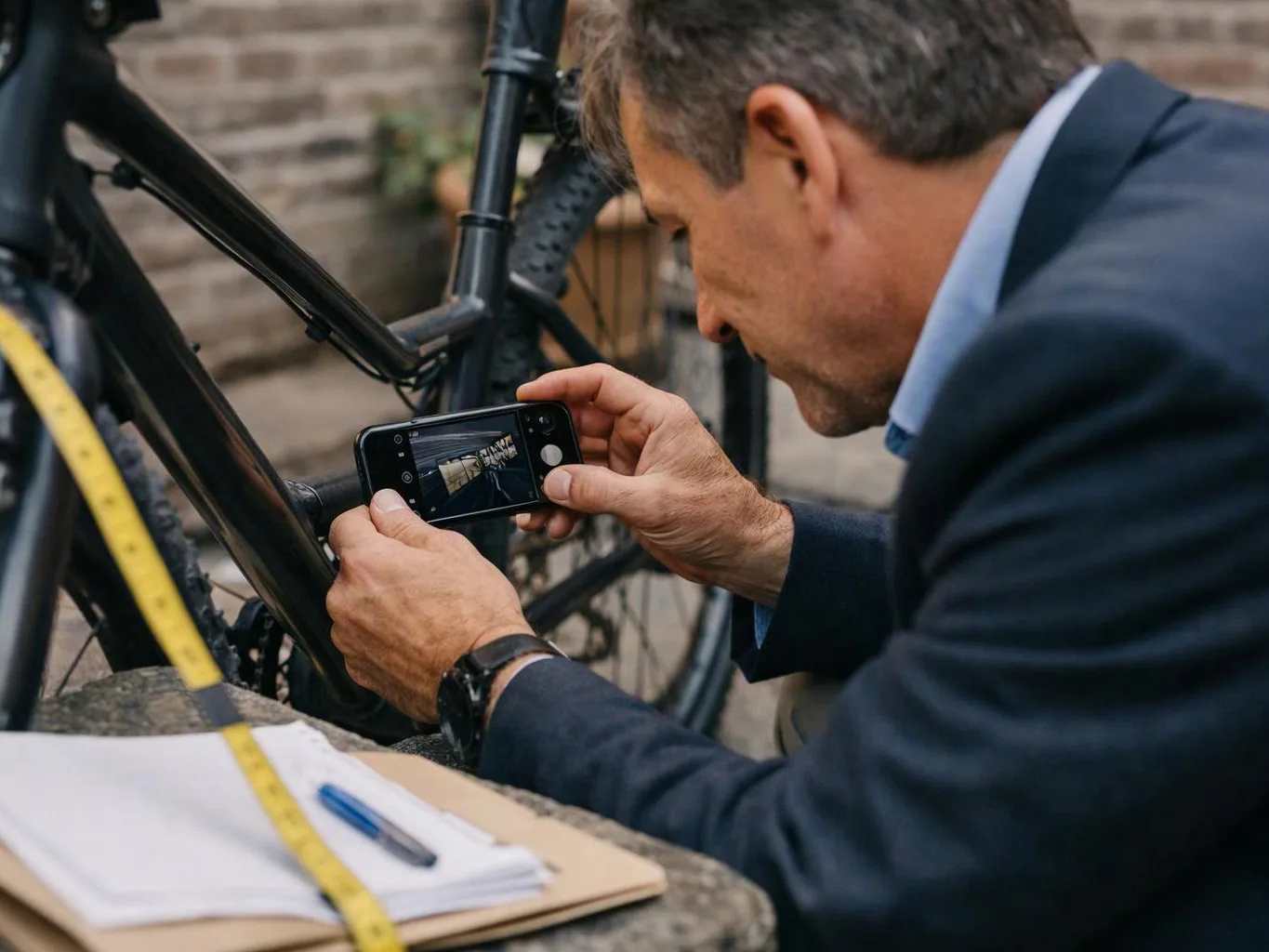
Preserving the product protects physical evidence that can show its condition, warnings, and possible defect. Do not repair, discard, or alter the item before it is reviewed. Keep the packaging and instructions together, and photograph the product from several angles if safe to do so.