How are defective product claims investigated?
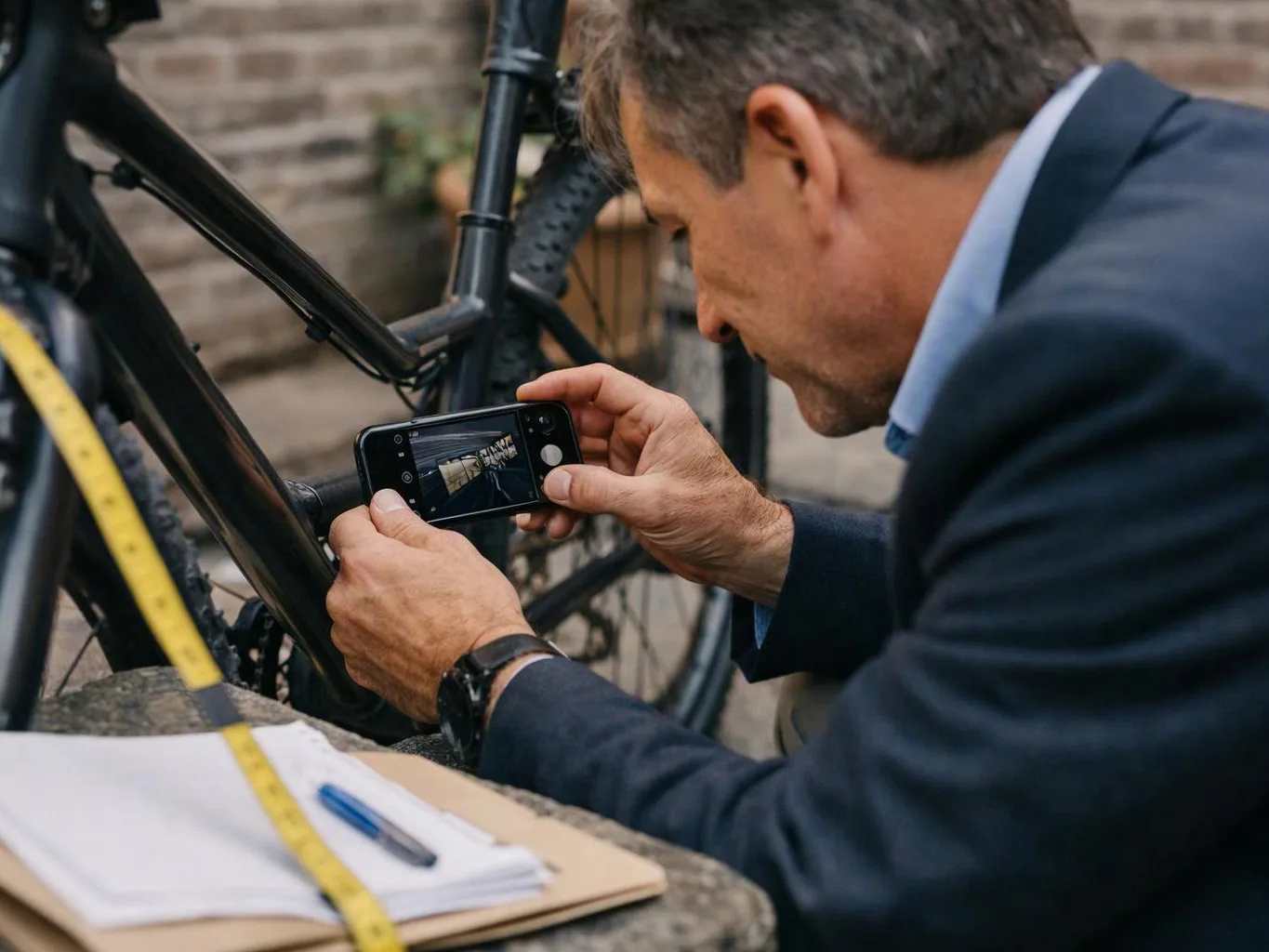
Recall notices are compared with the product, warnings, instructions, and injury records. Atlanta Auto Law also reviews purchase documents, photographs, medical records, witness accounts, and insurer communications. Product testing or failure analysis may help explain the defect. The investigation then supports a decision about negotiation, settlement, or litigation.
What does the team look at first during a product claim review?
The product, the reported event, and the injury records come first. We identify how the item was used, what failed, and whether the customer followed the instructions. Packaging, labels, photographs, purchase records, and medical notes can clarify the first facts before deeper testing is considered.
What should be checked before legal work is scheduled?
The product's condition, available records, injury connection, and requested legal work should be checked first. Customers should preserve the item, packaging, labels, instructions, and claim letters. A clear intake helps us decide whether the matter fits product liability work or needs another type of personal injury review.
Which records help prove a product defect?
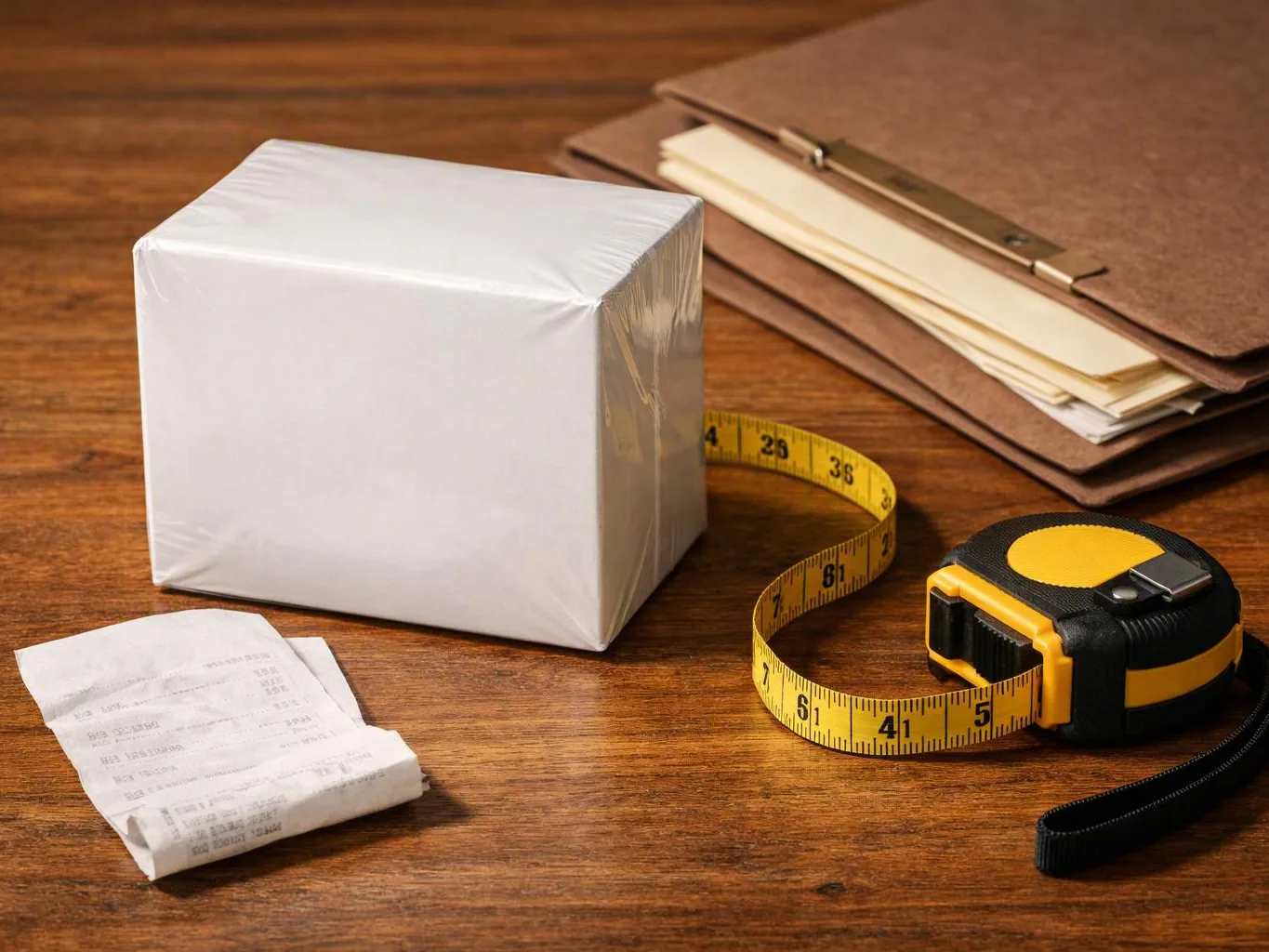
Purchase records, photographs, user instructions, warning labels, medical records, and witness details help prove a product defect. Recall notices and insurer letters can add useful context. Customers should keep the original product when possible and avoid repairs that could change the evidence.
When does product testing become useful?
Product testing becomes useful when physical evidence can answer how the product failed or whether its design created a hazard. Testing is not needed for every claim. Our review considers the product's condition, the injury theory, the available records, and whether technical evidence would clarify the dispute.
Why does a warning review matter in a defective product case?
Warning review matters because instructions must communicate known risks and safe use. We compare the warning language with the customer's conduct, the product's function, and the reported injury. Missing, unclear, or hard-to-follow instructions can raise different questions from a product that physically breaks.
Who is a good fit for product liability work, and who needs a different service?
People injured by a defective product, unsafe design, or missing warning are good fits for product liability work. A claim based only on a traffic crash, workplace dispute, or medical treatment may need another legal service. Atlanta Auto Law reviews the facts before identifying the proper claim type.