What evidence should I preserve after a hit-and-run?
The police report should be preserved with original photos, medical records, repair estimates, and insurer messages. Keep digital files in their original form and save copies of written communications. Atlanta Auto Law reviews these records to assess the crash, injury, property damage, and claim history before discussing legal options.
Who is a good fit for hit-and-run injury representation?
People with bodily injury after a driver leaves the scene are the main fit for this service. A simple vehicle damage dispute may need a different type of legal help. We review the available evidence, treatment records, insurance issues, and financial losses before deciding whether personal injury representation matches the matter.
What does the first legal review examine?
The first legal review examines the crash account, injury records, vehicle damage, insurance coverage, and financial loss. The available evidence shows which facts need support and which issues may affect the claim. Bring any photographs, medical bills, wage records, repair documents, and insurer messages you already have.
How does the claim process move from evidence to settlement?
A claim moves from evidence review to damages assessment, insurance negotiation, and settlement evaluation. Discovery, mediation, or trial may follow if the dispute remains unresolved. Our team keeps the medical record, wage loss, vehicle damage, and liability evidence connected as the claim develops.
When should I preserve photos and medical records?
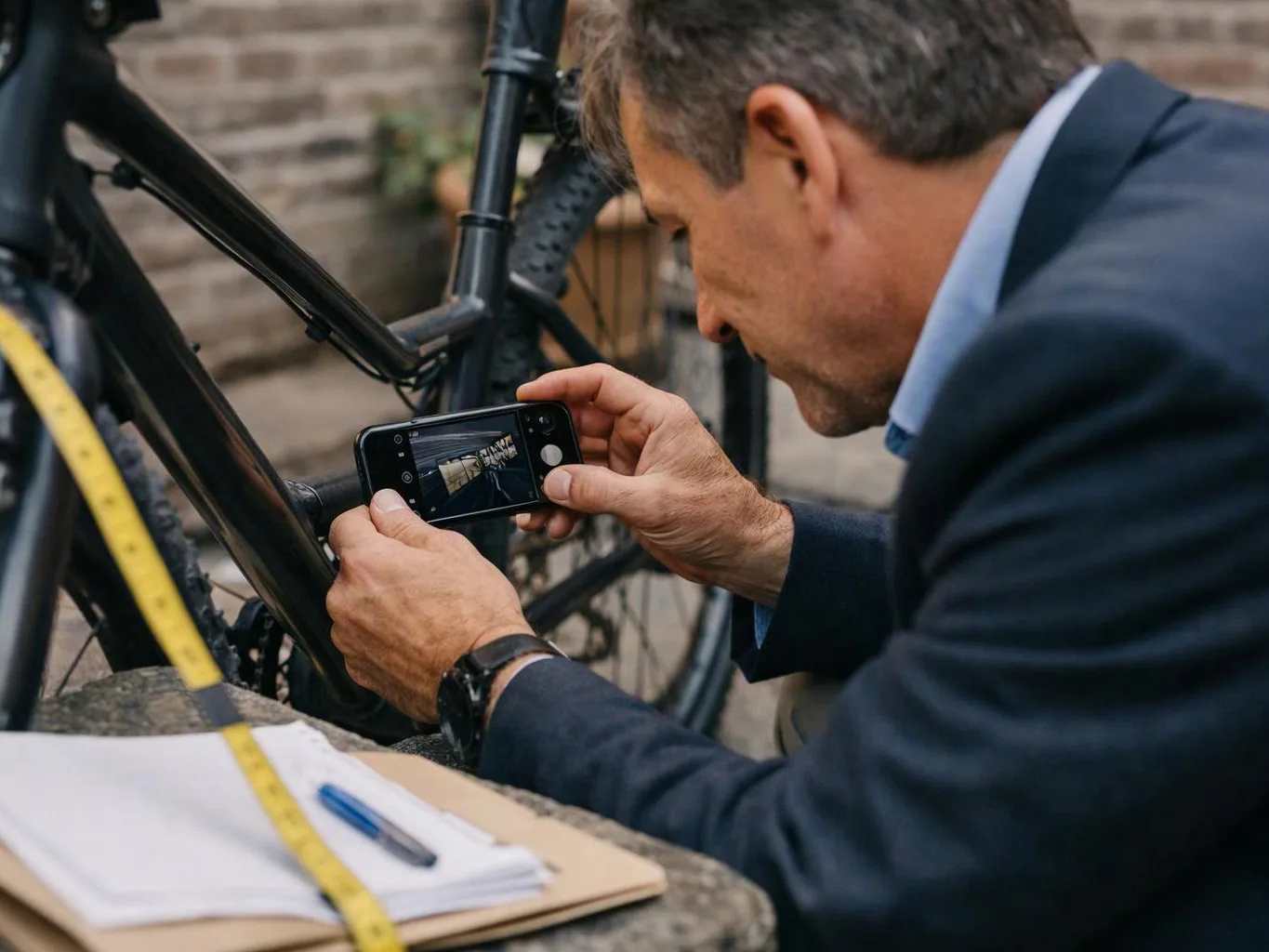
Photos and medical records should be preserved as soon as possible after the crash. Original files help show vehicle damage, scene conditions, treatment, and changes over time. Keep appointment records, bills, prescriptions, work notes, and insurer messages in one secure record for legal review.
Which losses belong in a hit-and-run injury claim?
Supported losses may include medical expenses, lost wages, vehicle damage, and other injury-related harm. The records must connect each loss to the crash and show its amount or effect. We assess the available proof before presenting damages to an insurer or pursuing litigation.
Why can an insurer ask for more information?
An insurer may request more information to evaluate fault, injury, coverage, or the value of a claim. The request does not decide what the claim is worth. We review insurer questions, recorded-statement requests, medical records, and other documents before advising on a response.