Which records should I preserve after a hit-and-run crash?
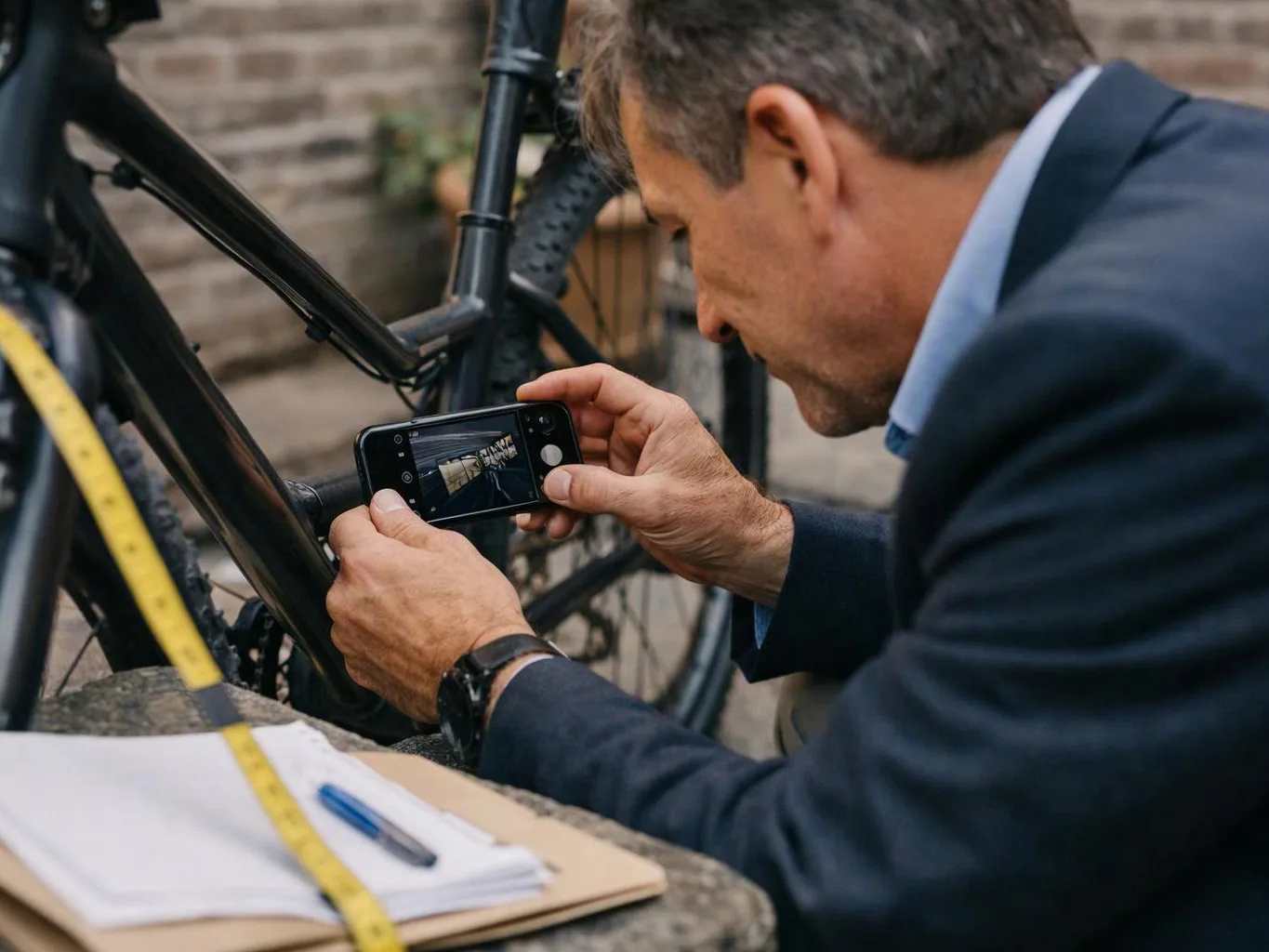
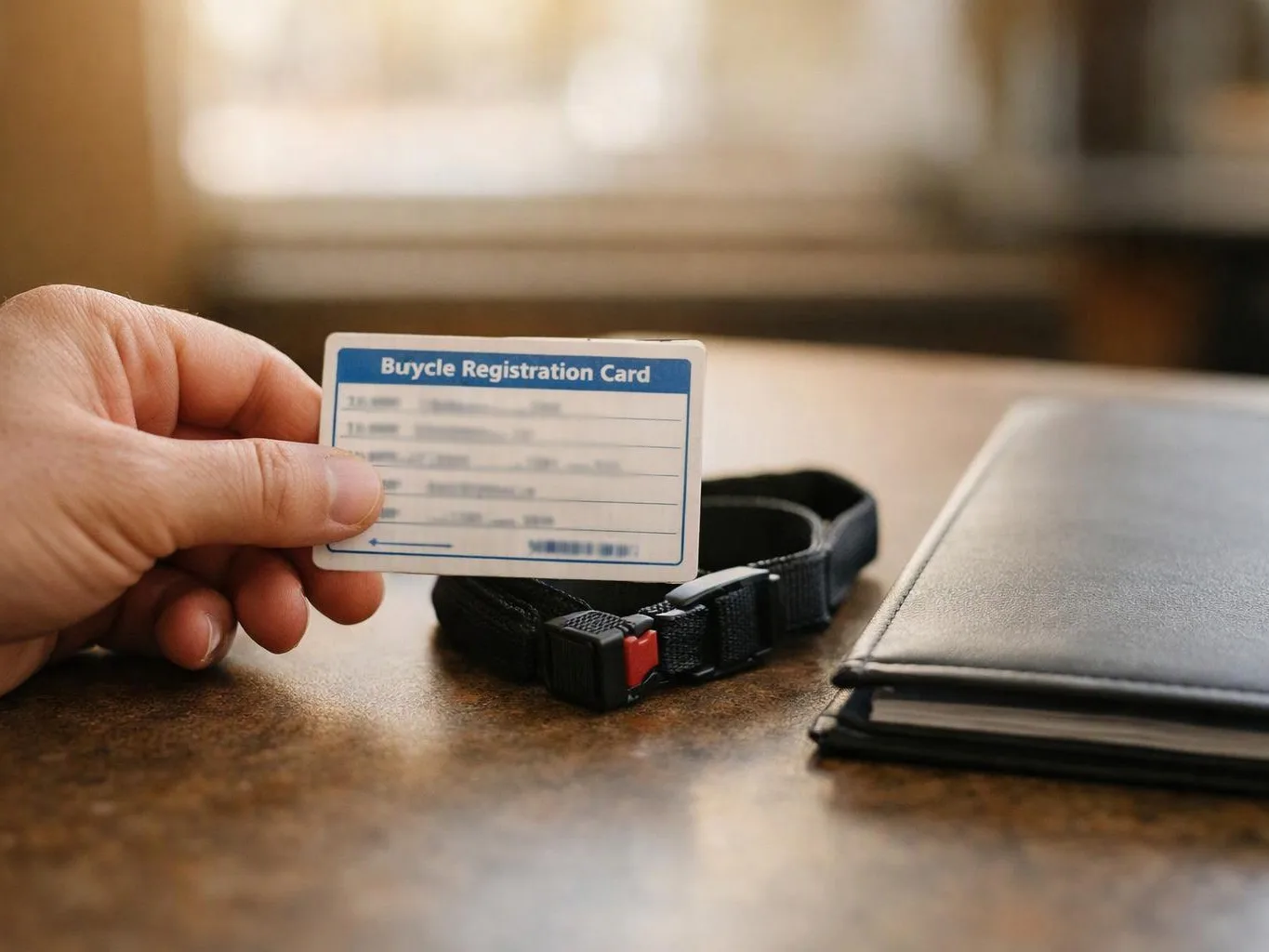
Repair estimates should be preserved with the police report, scene photographs, and medical records. Keep original photos, bills, treatment notes, insurer letters, and messages about the collision. Do not edit or delete files. Atlanta Auto Law reviews these records to assess vehicle damage, injury treatment, lost wages, and the next step for the claim.
How does a hit-and-run claim move from the first call to the last step?
The claim moves from intake and evidence gathering to injury review, insurance communication, and settlement or litigation. Our team first collects the police report, photographs, medical records, and wage information. We then assess the losses, handle insurer contact, and prepare discovery, mediation, settlement, or trial when the case calls for it.
What should I bring to an initial legal consultation?
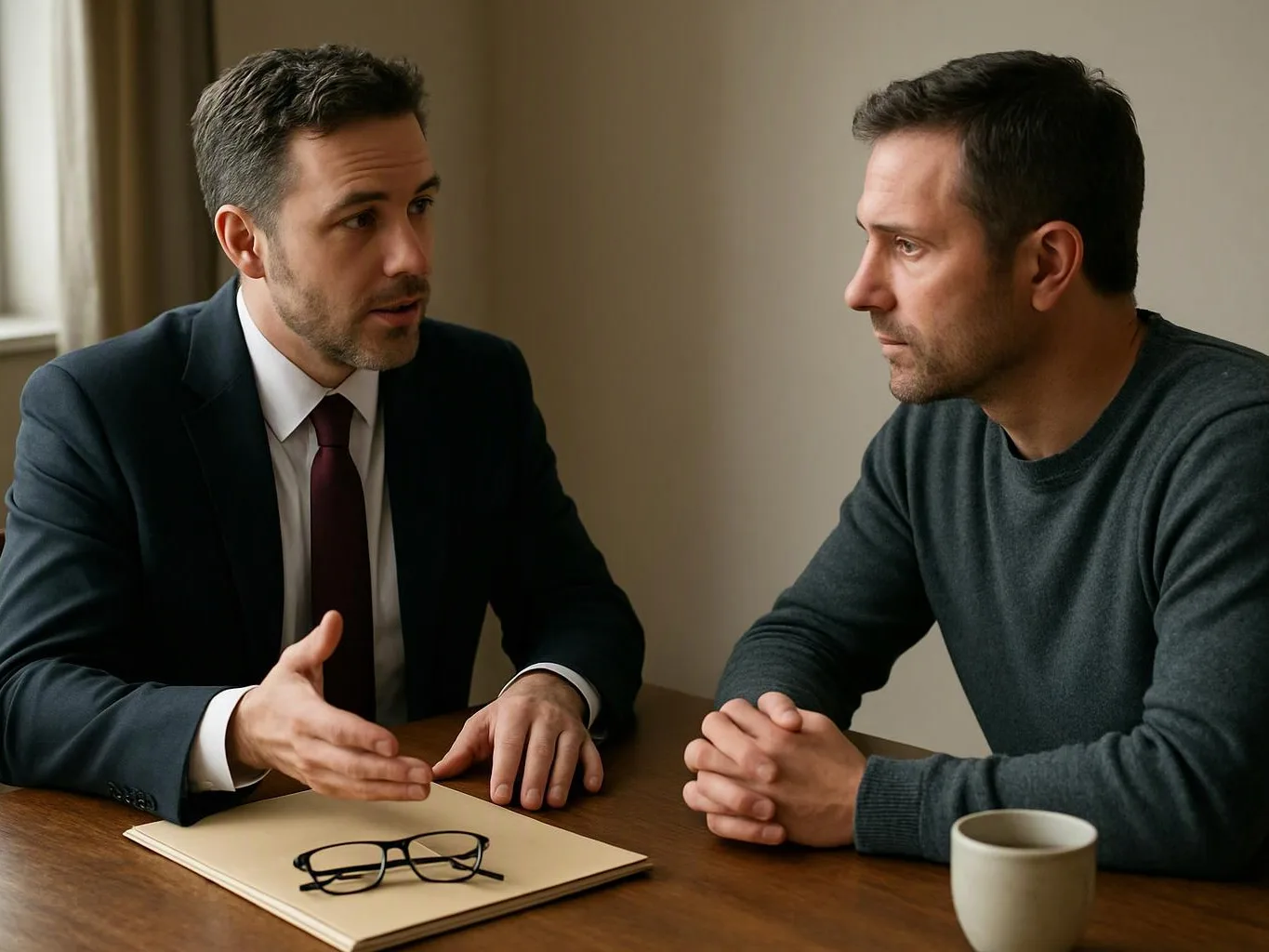
An initial consultation is more useful with the police report, photographs, medical records, repair documents, and insurance letters. Bring wage records and witness details if available. These materials help our team understand the collision, the treatment that followed, and the losses connected to the injury claim.
When should I speak with counsel after the other driver leaves?
Early legal guidance helps preserve evidence before photographs, records, or insurer communications are lost. Save the police report, medical records, vehicle damage documents, and messages first. Customers in College Park can discuss the file with our team while treatment and claim decisions are still developing.
Why do medical records matter in a hit-and-run case?
Medical records show the diagnosis, treatment, bills, and claimed link between the crash and the injury. They also help document how symptoms affect work and daily life. Our team compares those records with the police report and other evidence before evaluating settlement or litigation.
How do personal injury attorneys handle insurance communication?
Personal injury attorneys review insurer requests and communicate about the claim on the client’s behalf. Our team examines statements, coverage questions, medical expenses, and documented losses. Customers should preserve every letter, email, and message so the response matches the full evidence file.
Which factors change the legal work needed for a hit-and-run claim?
The injury severity, amount of medical treatment, available evidence, insurance issues, and dispute over responsibility change the legal work needed. Our team reviews each factor before discussing the claim path. Free Estimates Available, and the assessment explains what records support the requested legal work.