Skip to content

Driver-Assistance System Crash Injury Claims in Dunwoody, Georgia

Dealerships may share responsibility for a driver-assistance crash in Dunwoody when sales advice, repairs, or system warnings matter. We review the claim and explain your legal options.

Serving 66 CommunitiesMon-Sun: Open 24 hoursClear Scope Before WorkFast Scheduling

Quick Summary: Assisted-Driving Crash Claims in Dunwoody, Georgia

Driver-Assistance System Crash Injury Claims in Dunwoody are handled by Atlanta Auto Law for people injured in assisted-driving crashes. The work covers dealership, manufacturer, software, and repair-facility liability across Metro Atlanta, with free consultations available.

  • What we do: Atlanta Auto Law handles Driver-Assistance System Crash Injury Claims for injured people in Dunwoody, Georgia.
  • What is included: The work includes claim review, evidence gathering, insurance negotiation, and pursuit of compensation for accident losses.
  • What you get: The claim identifies responsible parties and seeks compensation for medical bills, lost wages, pain and suffering, and related losses.

Why might a dealership matter after a driver-assistance crash in Dunwoody, Georgia?

A dealership may matter when its sales advice, repair work, maintenance, or system information affected the crash. Atlanta Auto Law reviews those records with the police report, medical records, and vehicle evidence to assess responsibility.

Assisted-Driving Crash Claims for Dunwoody Drivers

Driver-assistance systems can affect how a crash unfolds, but the injured person still needs a clear liability theory. A dealership may have relevant sales records, repair orders, inspection notes, or statements about system limits.

This page serves buyers asking who may be responsible after an assisted-driving crash. The decision often turns on which party controlled the vehicle information, repair work, software, or system design. We review the available records and match them to the injury claim.

The claim may involve a vehicle manufacturer, software developer, repair facility, or dealership. The right path depends on the facts, the injuries, and the evidence that remains available.

  • Identify what the driver-assistance system did before the crash.
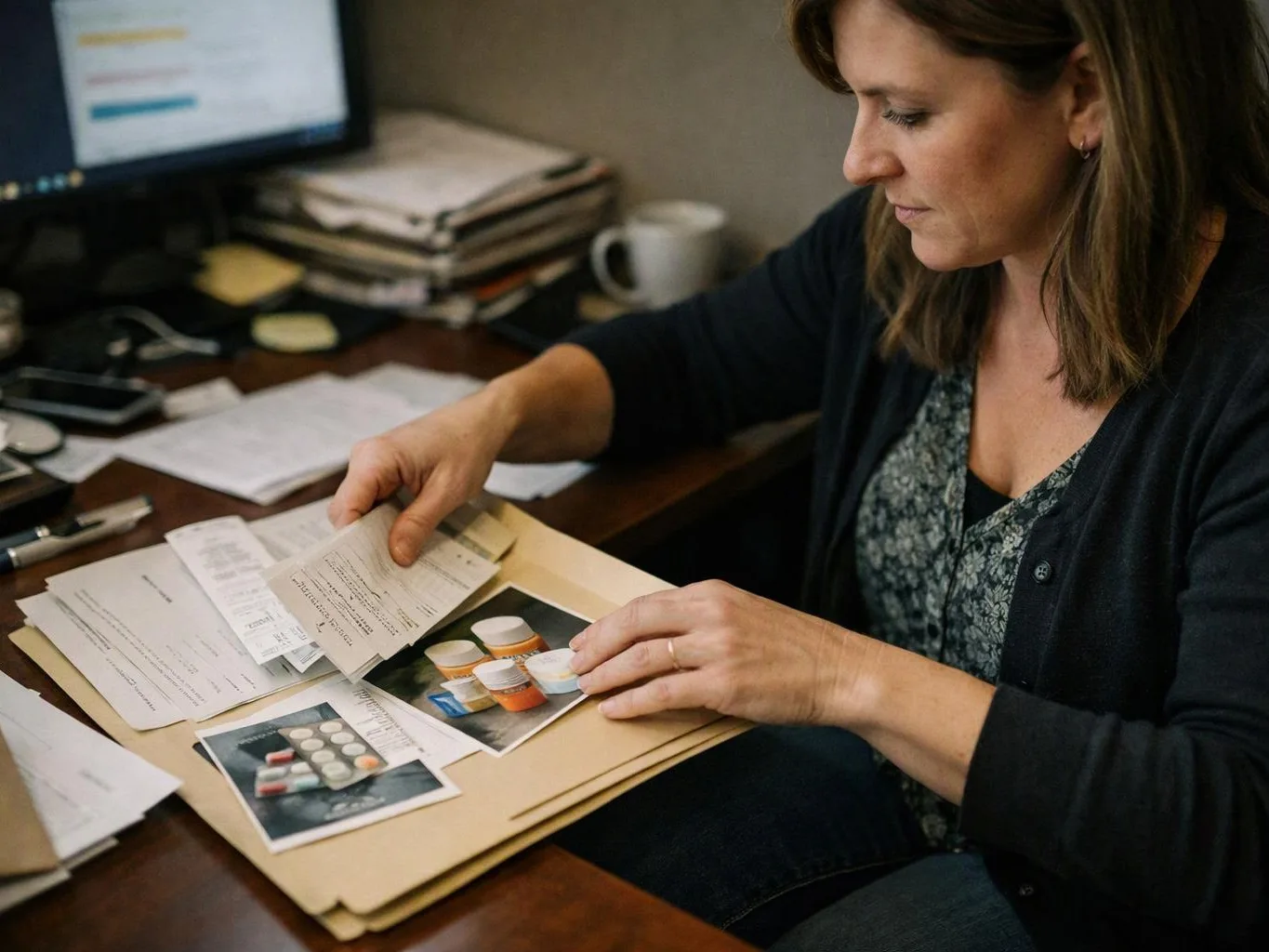
  • Collect the police report, medical records, repair orders, and insurance documents.
  • Review whether dealership advice or repair work relates to the crash.
  • Separate vehicle defect issues from ordinary driver-error or collision claims.
A man in a blue blazer writes in a notebook at a desk beside a lamp and bookshelves

Service Overview

Driver-assistance system crash injury claims are legal claims that seek compensation after a vehicle system contributes to a crash and injury.

  • These claims differ from a standard car accident claim because responsibility may involve the dealership, vehicle maker, software developer, or repair facility.
  • Atlanta Auto Law handles these claims for injured people in Dunwoody and throughout Metro Atlanta.

What Assisted-Driving Crash Claims Include

Atlanta Auto Law provides comprehensive Driver-Assistance System Crash Injury Claims in Dunwoody. Here's what you get:

  • We review the crash facts, injuries, police report, and available vehicle records.
  • We examine dealership sales material, repair orders, service notes, and statements about system limits.
  • We assess possible claims involving the vehicle manufacturer, software developer, or repair facility.
  • We gather medical records and bills that document treatment and related losses.
  • We handle insurance negotiation and prepare the claim for mediation or trial when appropriate.

A situation this service fits

A driver in Dunwoody may face a claim dispute after an assisted-driving crash where the vehicle had recent service work. We would compare the repair order, system instructions, police report, and medical records before deciding which parties belong in the claim.

How We Approach Assisted-Driving Crash Claims

Separate system issues from driver conduct

The first decision is whether the system, its instructions, or its service history relates to the crash. A claim may be the wrong fit when the facts show no system, sales, repair, or product connection.

Build the record around the injury

Medical records, wage information, and treatment notes show how the crash affected daily life. We use those records with the collision evidence to present compensation for your losses.

Prepare for insurer pushback

Insurance companies may dispute fault, injury cause, or the value of a claim. We address those issues through document review, negotiation, discovery, mediation, or trial preparation.

Process

How We Build an Assisted-Driving Crash Claim

1

Review the crash and injuries

We gather the crash account, police report, medical records, bills, wage information, and insurance correspondence.

2

Trace the system and service history

We examine vehicle records, system instructions, dealership material, repair orders, and available information about software or maintenance.

3

Assess possible responsibility

We compare the evidence against the conduct of the driver, dealership, manufacturer, software developer, and repair facility.

4

Present and pursue the claim

We prepare the demand, handle insurance negotiation, and use discovery, mediation, or trial preparation when the case calls for it.

What This Claim Review Gives You

You get a clearer view of which parties may share legal responsibility.

The record connects the crash facts to medical expenses, lost wages, and pain and suffering.

Early document review helps preserve useful evidence before records become harder to obtain.

You receive personal attention while the insurance claim and liability questions move forward.

Possible Responsibility in an Assisted-Driving Crash

The responsible party depends on which part of the vehicle use, sale, design, software, or service connects to the injury.

Potential partyIssue we reviewRecords that may matter
DealershipsSales advice, disclosures, maintenance, or repair workSales documents, repair orders, service notes
Vehicle manufacturersVehicle design, system limits, or product defectsVehicle records, system information, recall material
Software developersSoftware behavior, instructions, or system updatesSystem records, instructions, update information
Repair facilitiesWork performed before the crashWork orders, inspection notes, and service records

The Atlanta Auto Law Standard

  • Initial Consultations
  • Clear Communication
  • Claim Representation
  • Contingency Representation

Questions About Assisted-Driving Crash Injury Claims

Who may be responsible when a dealership sells or services a vehicle involved in a system crash?

Dealerships may share responsibility when sales advice, repair work, or system information relates to the crash. Atlanta Auto Law handles these claims. We review sales documents, repair orders, service notes, vehicle records, and the police report. The facts determine whether the dealership belongs in the claim with another driver, manufacturer, software developer, or repair facility.

How can I tell whether this type of claim fits my crash?

A claim may fit when a driver-assistance feature, its instructions, or related service connects to the collision and injury. The vehicle history, system warnings, police report, and medical records help test that connection. Our team also checks whether the facts support a product, repair, dealership, or ordinary motor vehicle injury claim.

Which vehicle records help assess responsibility?

Vehicle records can show system status, service work, warnings, and changes made before the crash. Useful materials include repair orders, inspection notes, system instructions, dealership documents, and insurance communications. We compare those records with the police report and medical evidence, then identify gaps that require further investigation.

What documents should I bring to the first consultation?

Bring the crash report, medical records, bills, insurance letters, vehicle documents, and repair paperwork. Photos, witness details, and system messages can add useful context. You don't need a complete file before speaking with us. We can explain which records matter most after reviewing the basic crash and injury facts.

When should I speak with a personal injury attorney after the crash?

Speak with a personal injury attorney as soon as practical after the crash, especially when injuries or disputed fault exist. Early review helps preserve vehicle records, repair documents, medical proof, and insurance communications. Atlanta Auto Law offers free consultations and explains the claim process before you decide how to proceed.

Why might a software developer belong in the claim?

A software developer may belong in the claim when software behavior or instructions relate to the crash. Vehicle records, system information, updates, and expert review may help assess that issue. We distinguish software questions from repair, dealership, manufacturer, and driver conduct before presenting a liability theory.

Which party handles the insurance company and settlement talks?

Atlanta Auto Law handles insurance communications and settlement negotiations for clients who retain us. The claim may involve one insurer or several parties with different defenses. We organize medical proof, wage records, crash evidence, and liability documents before presenting compensation for the documented losses.
Contact

Request a Free Consultation About Your Assisted-Driving Crash

Start with a review of your crash records and injury evidence, and urgent requests get priority scheduling.

Driver-Assistance System Crash Injury Claims in Other Areas

The information on this website is for general informational purposes only and is not legal advice, does not create an attorney-client relationship, and may not reflect current law in Decatur, Georgia, United States. Every situation is different; consult a licensed attorney about your specific matter. Prior results do not guarantee a similar outcome.

(678) 235-3870