

Take the crash account
We document the collision, the feature in use, warnings, driver response, and the injuries reported after impact.
A driver-assistance system can affect how fault and injury evidence are reviewed. We examine the crash record, warnings, medical harm, and insurance position.
The claim connects vehicle warnings and driver actions to the crash record.
Medical records show how the collision affected treatment, work, and daily life.
Insurance negotiations address documented losses instead of relying on a quick fault summary.
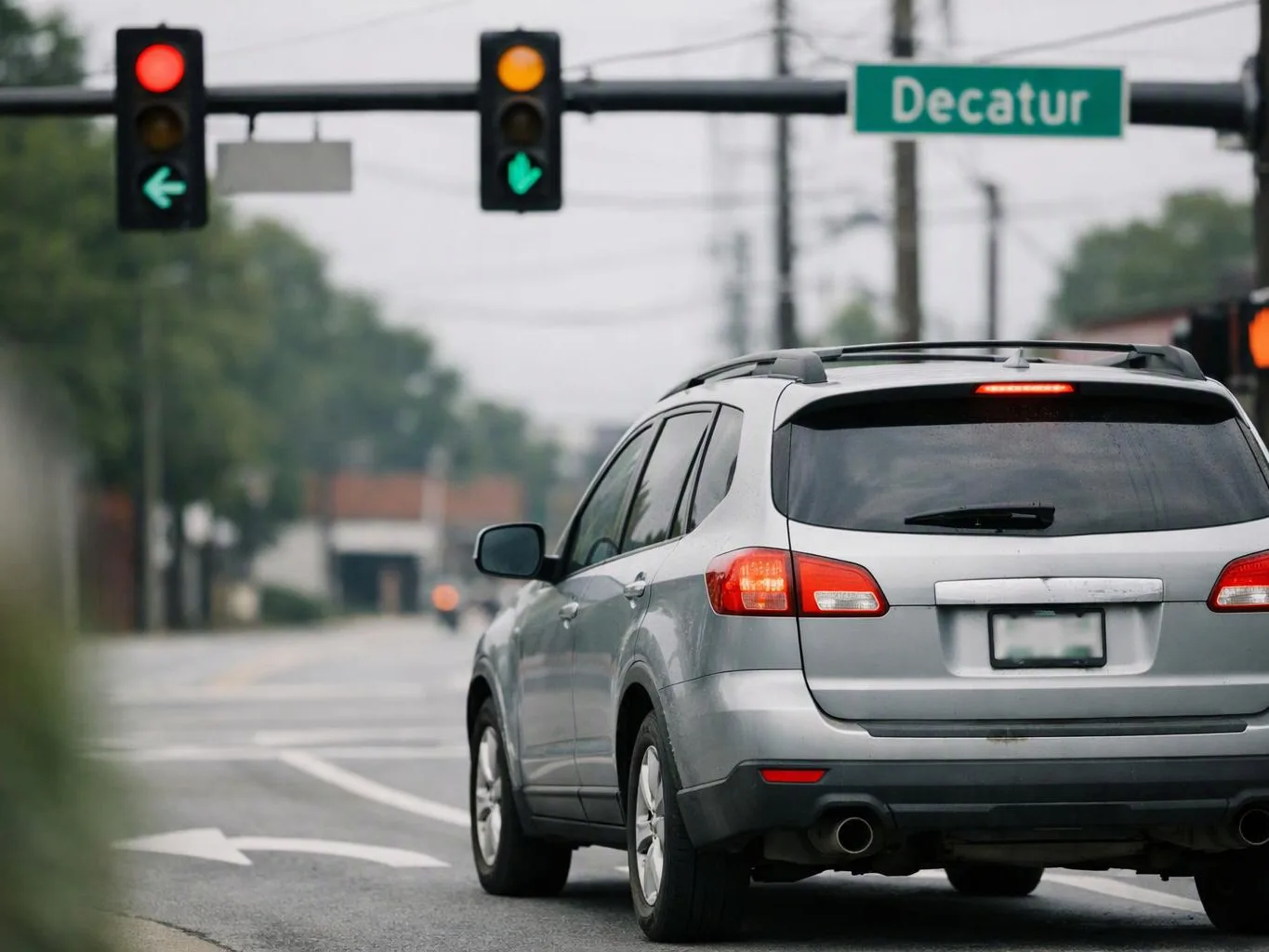
These claims focus on more than the collision point. We examine driver actions, system alerts, vehicle responses, road events, medical treatment, and insurance statements. The work can involve police records, medical records, photographs, witness information, wage records, and vehicle data when available. We separate facts from assumptions, then identify the losses tied to the injury. Costs and trade-offs matter in this work. Time and legal effort can rise when system data is hard to obtain, fault is disputed, or injuries require long-term care. Spending effort on a clear evidence trail is more useful than chasing technical details that do not affect fault or damages. Every case is different. We explain which records matter, what the claim may require, and which issues need more review before engagement.
Driver-assistance system crash injury claims are personal injury claims that examine crashes involving features such as lane support, braking alerts, or adaptive driving controls.
We document the collision, the feature in use, warnings, driver response, and the injuries reported after impact.
We seek police records, photographs, witness details, medical records, and available vehicle or insurance information.
We compare the evidence with the driver’s conduct and the system’s stated limits, then identify disputed points.
We organize treatment, lost wages, pain, and other losses so the claim reflects the injury’s effect.
We handle insurance negotiations and prepare litigation when settlement discussions do not resolve the dispute.
These records help us understand the crash, the system event, and the resulting losses.
We explain how system evidence, injury records, claim options, and client responsibilities fit together before engagement.
We investigate assisted-driving crashes, gather vehicle and medical evidence, and manage negotiations or litigation for clients.
We use contingency-based representation, so clients generally pay attorney fees only when cases succeed.
Atlanta-area injury claims receive personal attention, and urgent requests get priority scheduling.
A driver reports a braking alert before impact, but the insurer places all blame on the driver. The warning, vehicle response, road conditions, and medical records may each matter to the claim. Save dashboard images, preserve insurer messages, and bring the crash account to Atlanta Auto Law for review.
Neck pain, headaches, or brain injury symptoms can grow after a collision, even when vehicle damage looks limited. Medical care creates a record of the injury and its link to the crash. Keep treatment records and wage information, then discuss the claim before making statements about a final recovery.
An insurer may argue that a driver ignored the system’s limits, while the injured person believes the feature failed or gave an unclear warning. The claim needs a careful comparison of driver conduct, system messages, crash evidence, and medical harm. Preserve the vehicle information and send claim documents for review.


The information on this website is for general informational purposes only and is not legal advice, does not create an attorney-client relationship, and may not reflect current law in Decatur, Georgia, United States. Every situation is different; consult a licensed attorney about your specific matter. Prior results do not guarantee a similar outcome.
(678) 235-3870