
What Is a Statute of Limitations?
A statute of limitations is a legal deadline for starting a lawsuit after an injury or other claim arises. The deadline depends on the claim, the parties involved, and facts that may affect when the period begins. Missing the applicable deadline can prevent a court from hearing the claim, even when evidence supports responsibility.
Quick Facts About Statute of Limitations
Category
Civil procedure rule
Used for
Setting lawsuit filing deadlines
Common confusion
Insurance deadlines are not court filing deadlines
Also called
Limitations period, Filing deadline
Often discussed with
Car Accident Claims
Key Takeaways About Statute of Limitations
- The deadline applies to filing a lawsuit, not simply reporting an accident.
- The claim type and case facts can change the filing period.
- A statute of limitations differs from an insurance notice deadline.
How Statute of Limitations Works
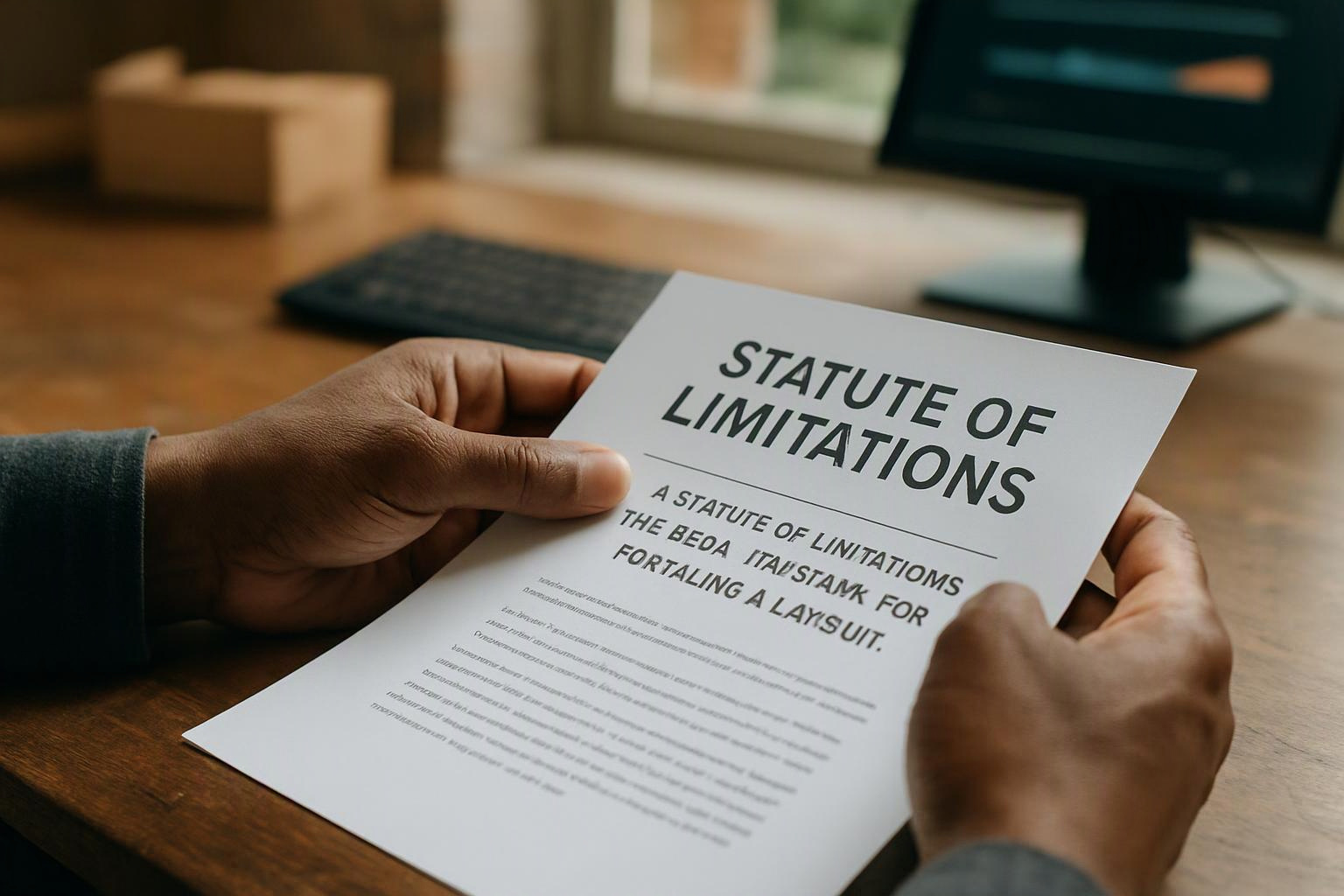
The statute of limitations determines when a person must file a lawsuit after a legal claim arises. The clock may relate to the accident date, the date an injury became known, or another legally recognized event. The applicable rule depends on the claim and the parties involved.
Related glossary terms: Damages, Negligence, Medical Records.
Personal injury cases can involve more than one deadline. A claim against a private driver may follow a different rule from a claim involving a government entity. Insurance notice terms also operate separately from court filing rules. Lawyers review the accident date, medical records, potential defendants, and communications with insurers before assessing the deadline.
What Can Affect the Filing Period?
- The type of injury claim.
- The identity of each potential defendant.
- Events that may pause or alter the filing period.
From the Atlanta Auto Law team
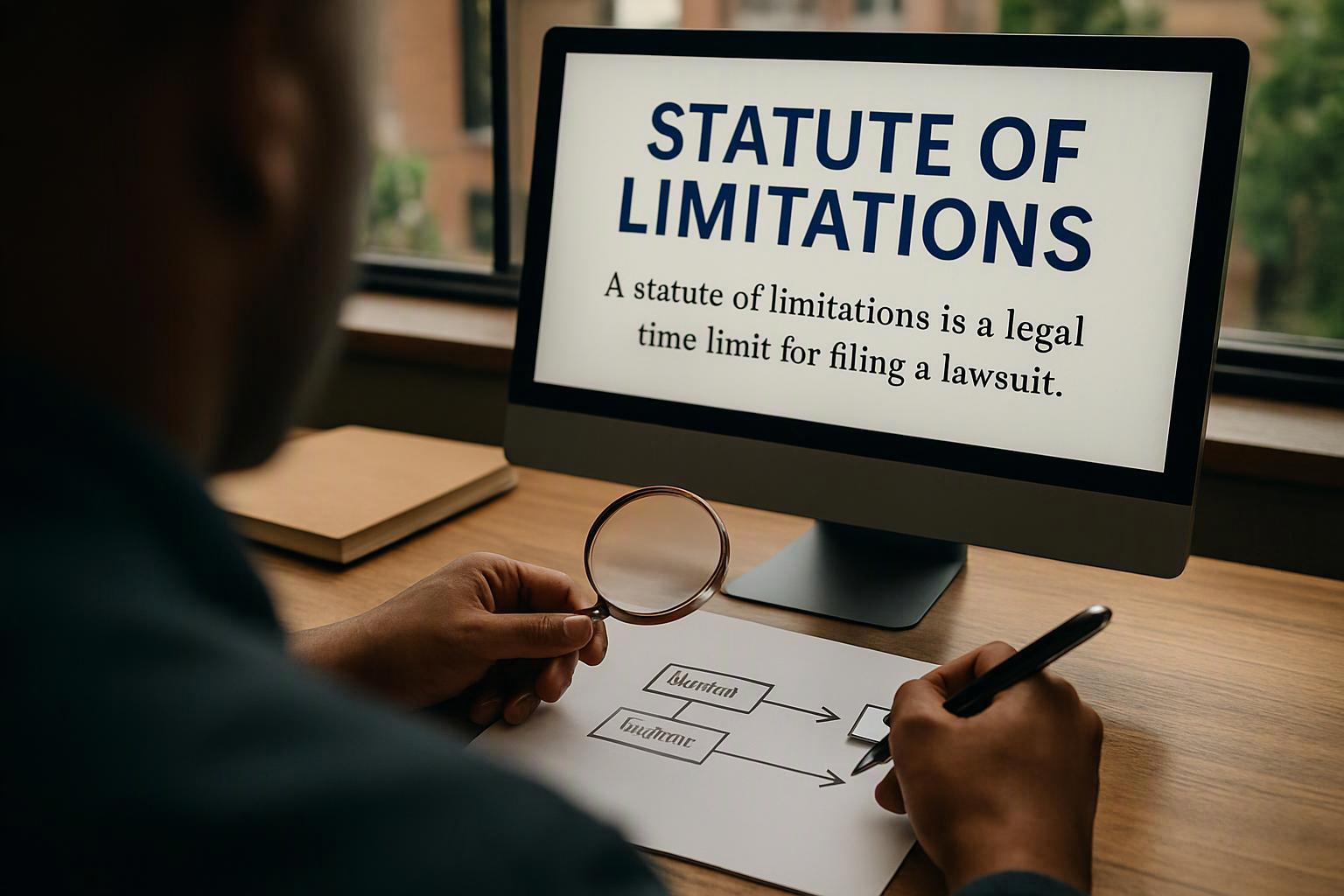
When we review a car accident claim, we identify the possible defendants and examine the facts that may affect the filing period. We track court deadlines separately from insurance communications, medical treatment, and evidence collection so that case decisions rest on the correct timeline.
Statute of Limitations in Practice: A Real-World Example
After a collision, an injured driver gathers the crash report, medical records, and insurance communications. Atlanta Auto Law reviews those materials to identify the applicable filing deadline and whether facts involving another party affect the analysis.
Related Services
Related Terms
Damages
Damages are the monetary compensation sought or awarded in a legal claim for harm caused by…
Negligence
Negligence is a failure to use reasonable care under the circumstances, causing harm to another person…
Medical Records
Medical Records are written, electronic, and recorded details about a person's care, including symptoms, examinations, diagnoses…
Third-Party Liability
Third-Party Liability is legal responsibility assigned to someone outside the injured person’s direct employment or contract…
Atlanta Auto Law
Have Questions About Statute of Limitations?
Contact Atlanta Auto Law for practical guidance on Statute of Limitations and related personal injury attorney work in Atlanta.