Skip to content

Traumatic Brain Injury Lawyer in College Park, Georgia

Because sleep disruption after a head impact needs medical documentation, College Park clients should record changes and seek care. We review the records, crash evidence, and claim issues that shape a brain injury case.

Licensed & InsuredFree EstimatesUpfront, Transparent PricingServing 51 Communities

Quick Summary: Brain injury legal help in College Park, Georgia

Traumatic Brain Injury Lawyer in College Park is provided by Atlanta Auto Law for crash victims who need injury investigation, medical record review, and insurance claim support. Our coverage includes Decatur, Atlanta, DeKalb County, and communities throughout Georgia.

  • What we do: Atlanta Auto Law provides Traumatic Brain Injury Lawyer services in College Park, Georgia, including crash investigation, evidence gathering, medical record review, and insurance communication.
  • What is included: Atlanta Auto Law handles traumatic brain injury claims, car accident claims, truck accident claims, motorcycle crashes, pedestrian injuries, settlement talks, and trial-ready case preparation.
  • What you get: The client receives a documented injury claim with a clear assessment of medical costs, lost wages, fault, and available legal options.

What symptoms should be documented after a suspected brain injury?

Document sleep disruption, dizziness, memory changes, confusion, headaches, and speech problems after a suspected brain injury. Medical records and a symptom log can help connect changes to the crash.

Scope and Service Overview for College Park

A brain injury claim focuses on more than the visible damage from a crash. Dizziness, cognitive changes, and speech problems can affect work and home life, even when the first medical visit does not show the full impact.

Clients need a careful record of symptoms, treatment, missed work, and daily limits. We compare those records with police reports, medical notes, witness information, and insurance statements before we assess the claim.

The key decision is whether the available evidence supports a demand, continued negotiation, or litigation. This service fits people who need legal help after a car accident, truck accident, motorcycle crash, or pedestrian injury. It is not a substitute for urgent medical care or a diagnosis from a health professional.

  • Record when symptoms began and how they affect work, driving, sleep, and daily tasks.
  • Gather medical records, prescription details, police reports, photos, and witness information.
  • Keep notes about missed work, medical expenses, and changes in normal activities.
  • Avoid giving a detailed recorded statement to an insurer before receiving legal guidance.
A man in a suit walks through a sunlit apartment parking lot carrying a briefcase

Service Overview

A traumatic brain injury lawyer is a legal advocate who investigates head injuries and seeks compensation for related harm.

  • This work differs from a general accident claim because it examines symptoms, medical findings, future effects, and proof of brain-related harm.
  • Atlanta Auto Law serves clients in College Park through its Georgia personal injury practice.

What brain injury claim support includes

Atlanta Auto Law provides comprehensive Traumatic Brain Injury Lawyer in College Park. Here's what you get:

  • We investigate the crash and gather available evidence about fault and impact.
  • We review police reports, medical records, treatment notes, and related claim documents.
  • We evaluate medical expenses, lost wages, and the effect of symptoms on daily life.
  • We communicate with insurance companies about the claim and supporting evidence.
  • We prepare a demand letter when the evidence supports settlement discussions.
  • We build trial-ready case preparation when settlement does not resolve the dispute.
Process

How we handle a brain injury claim

1

Start with the injury account

We discuss the crash, symptoms, treatment, work impact, and insurer contact. Clients can request a free case evaluation before deciding on the next step.

2

Gather crash and medical records

Our team collects police reports, medical records, wage information, photos, and witness details that help explain fault and harm.

3

Assess the full claim

We review medical expenses, lost wages, ongoing symptoms, and daily limits. The assessment also considers gaps or conflicts in the available evidence.

4

Address the insurer

We communicate with insurance companies, answer claim issues, and prepare a demand letter when the evidence supports settlement talks.

5

Prepare for resolution

We pursue settlement, mediation, or litigation based on the facts and the client's legal goals. Trial-ready case preparation remains available when needed.

The scope this service is meant to handle

A person in College Park develops dizziness and trouble speaking after a vehicle crash, but the first visit records only a brief complaint. We would review later medical notes, symptom entries, work records, and crash evidence before deciding how to present the claim.

How we approach brain injury claims

Symptom records guide the claim

Clients who track dizziness, memory changes, and speech problems give us useful detail for the medical record review. The service is the wrong fit when no injury claim or legal dispute exists.

Evidence comes before demand talks

We compare crash reports, medical findings, wage records, and insurer communications before presenting a demand. That review helps identify gaps that need attention.

Settlement is not the only path

Our personal injury attorneys prepare cases for mediation or trial when insurance negotiations do not resolve the claim. Every case turns on its own facts and evidence.

What this legal work changes for clients

A structured record helps connect symptoms with the crash and medical care.

Clients get answers they can understand about evidence, insurance talks, and litigation.

Reviewing lost wages and medical expenses helps keep financial harm in the claim.

Early attention to cognitive and speech changes helps preserve details that can fade.

People in College Park can work with one legal team across investigation, negotiation, and trial preparation.

Choosing the next step after a suspected brain injury

These options address different needs after a crash and are not interchangeable.

Decision pointBest fitWhat we review
Medical careUrgent or ongoing symptomsSymptoms, examination, treatment, and follow-up
Legal claim reviewFault, bills, lost wages, or insurer issuesCrash evidence, medical records, and financial harm
Settlement discussionEvidence supports a demandDemand letter, insurer position, and claim value
Litigation preparationSettlement does not resolve the disputeDiscovery, mediation, trial evidence, and legal arguments

The Atlanta Auto Law Standard

  • Personalized Guidance
  • Evidence Investigation
  • Clear Communication
  • Client Advocacy

Questions about brain injury claims

How does a brain injury claim move from the first call to the last step?

A brain injury claim moves from intake to investigation, record review, insurance talks, settlement, mediation, or trial. Clients share the crash account and available documents first. We then assess fault and harm, communicate with the insurer, and explain each decision. The final step depends on whether the claim resolves through settlement or requires litigation.

Which records help show cognitive changes after a crash?

Medical records, work records, prescription details, and specific symptom notes help show cognitive changes after a crash. Family observations can also describe changes in memory, focus, or routine. Keep original documents and write down concrete examples. We compare those records with the crash report and other evidence during the claim review.

When should someone seek legal guidance after a head impact?

Legal guidance is useful when a head impact causes ongoing symptoms, medical bills, missed work, or an insurer dispute. Early review helps preserve crash evidence and organize medical records. Medical care comes first for urgent symptoms. Clients should also avoid guessing about fault or giving a detailed recorded statement before understanding the claim.

Why do insurers ask about earlier medical problems?

Insurers ask about earlier medical problems to compare the claimed injury with prior records. Earlier care does not decide the claim by itself. We review the timing, symptoms, diagnoses, and medical opinions that relate to the crash. Clients should answer medical questions truthfully and provide records that show the change after the collision.

What does a personal injury attorney handle after a truck or motorcycle crash?

A personal injury attorney handles crash evidence, medical records, insurance communication, financial losses, and settlement or litigation issues. Atlanta Auto Law also reviews claims involving truck accidents, motorcycle crashes, pedestrian injuries, and wrongful death. The legal work must match the evidence, the injuries, and the parties involved in the collision.
Contact

Discuss Your Brain Injury Claim in College Park

Are you dealing with symptoms after a crash? Request a free case evaluation with Atlanta Auto Law, and urgent requests get priority scheduling.

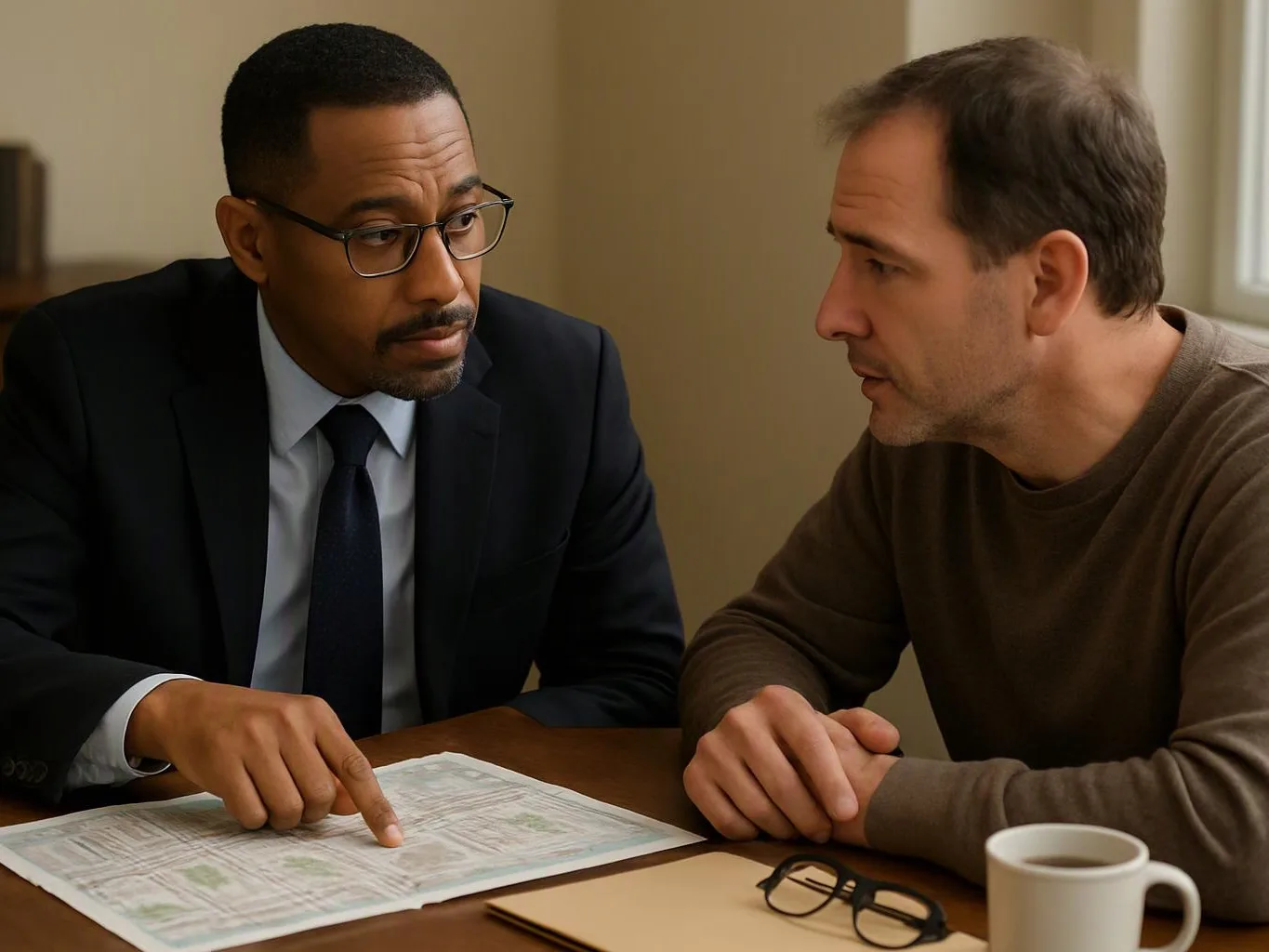
Two men lean over a table, one points at papers while they talk in a quiet room

Traumatic Brain Injury Lawyer in Other Areas

The information on this website is for general informational purposes only and is not legal advice, does not create an attorney-client relationship, and may not reflect current law in Decatur, Georgia, United States. Every situation is different; consult a licensed attorney about your specific matter. Prior results do not guarantee a similar outcome.

(678) 235-3870