How do safety violations help establish liability in a spinal cord injury case?
Safety violations can support liability when they connect a person's conduct to the crash and resulting injury. Atlanta Auto Law reviews the police report, photographs, witness testimony, and available reconstruction evidence. We then compare those facts with medical records that explain the spinal cord injury. The evidence must show more than a rule breach. It must link the breach to the harm.
What documents should I bring to the first legal assessment?
Police reports, medical records, bills, wage information, photographs, and insurance letters help start the assessment. A complete file gives our team more context about the collision and the injury. Bring names of witnesses and the contact details for insurers when available. We can identify other records that need to be requested.
Which evidence shows that a crash caused a spinal cord injury?
Medical records, diagnostic findings, treatment notes, and the timing of symptoms help connect the crash to the injury. The accident account and witness testimony add context about the impact. We compare the medical timeline with the collision record and address any insurer claim that another cause explains the condition.
When should I speak with a lawyer after a serious crash?
You should speak with a lawyer when a crash causes serious injury, disputed fault, or insurance pressure. Early review helps preserve photographs, witness details, police records, and medical information. In Duluth, Atlanta Auto Law assesses the available evidence and explains what should be gathered before the claim moves forward.
Why does accident reconstruction matter in these claims?
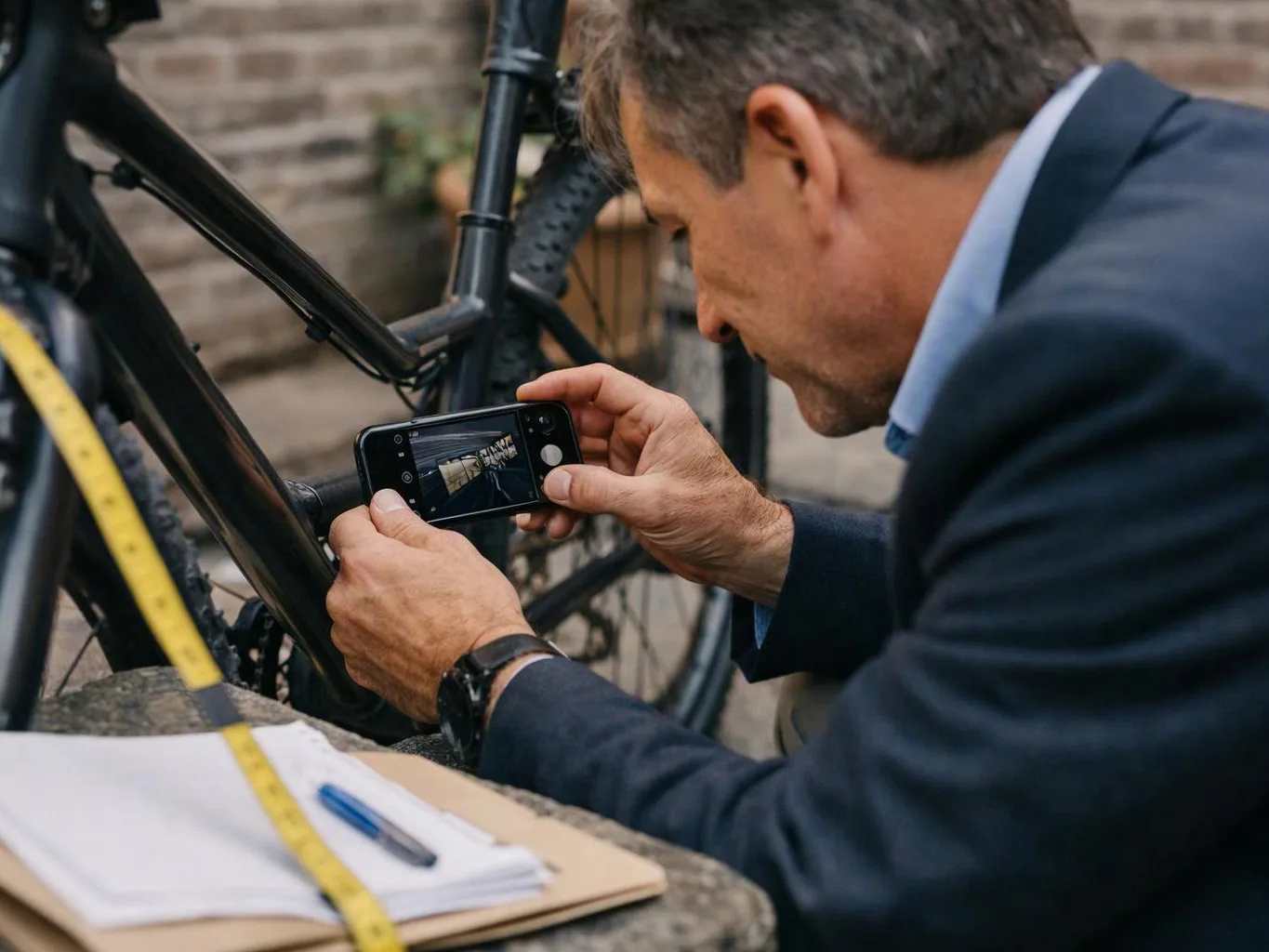
Accident reconstruction matters because impact forces, vehicle movement, and scene evidence can clarify how the collision occurred. We compare reconstruction materials with the police report, photographs, and witness testimony. That review can address disputed fault and help show whether the alleged conduct caused the spinal cord injury.
What does a personal injury attorney do with the insurance company?
A personal injury attorney communicates with the insurer, presents supported evidence, and addresses disputes about fault or injury. We review requests, organize medical records, and evaluate settlement discussions. The process can also include a demand letter, mediation, discovery, or trial preparation when negotiation does not resolve the claim.
How does the legal process move from the first call to the last step?
The process moves from intake and evidence review to insurance negotiation, settlement, mediation, or litigation. We first learn how the crash happened and collect key records. Then we assess liability and damages, explain the available path, and prepare the case for the next legal stage.