How can a rideshare accident lawyer determine liability?
Platform coverage and driver status help determine which liability questions require review. Atlanta Auto Law compares app activity, trip records, police reports, vehicle damage, witness accounts, and medical records. The review can involve the rideshare driver, another driver, or other responsible parties. We then explain whether settlement, mediation, discovery, or litigation fits the evidence.
What does the lawyer look at first during a rideshare claim?
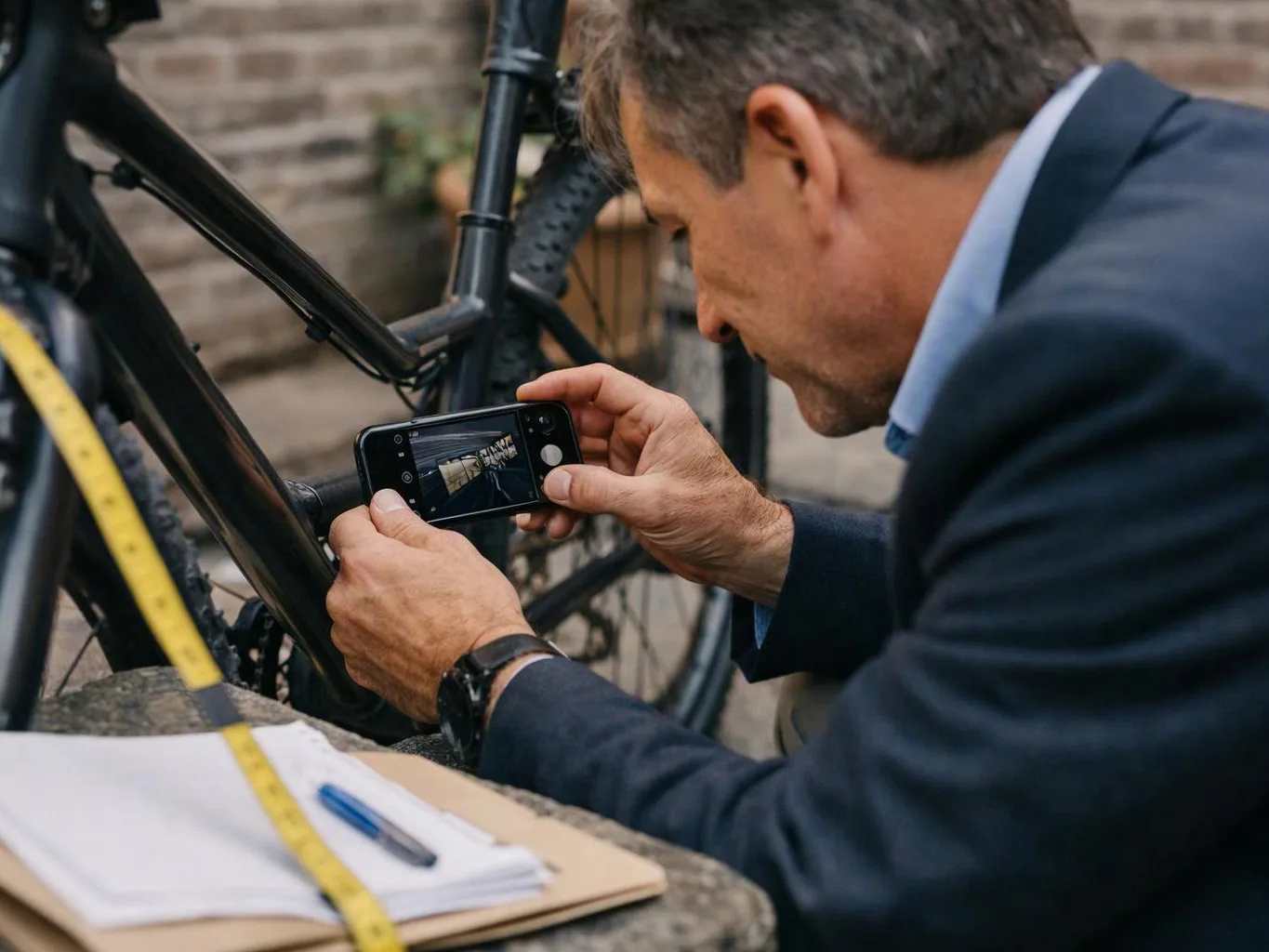
The first review covers the crash report, injury records, driver status, and available app information. Those records show what happened, who was involved, and how the injury connects to the collision. Photographs, witness details, vehicle damage, and insurance letters add support. Preserve every record you already have before discussing fault in detail.
What should be checked before legal work is scheduled?
The claim should be checked for an injury, a rideshare connection, available crash evidence, and a possible responsible party. Medical records and police documents help establish the basic facts. App receipts, messages, photographs, and insurer letters can add important detail. Our initial assessment identifies which records need closer review.
Who is a good fit for this service, and who needs a different service?
Atlanta Auto Law serves passengers, drivers, pedestrians, and families with injury claims tied to a rideshare collision. A person with only vehicle damage and no injury claim may need a property-damage or insurance service instead. We review the facts before describing the available legal path.
Which records help prove a rideshare driver’s status?
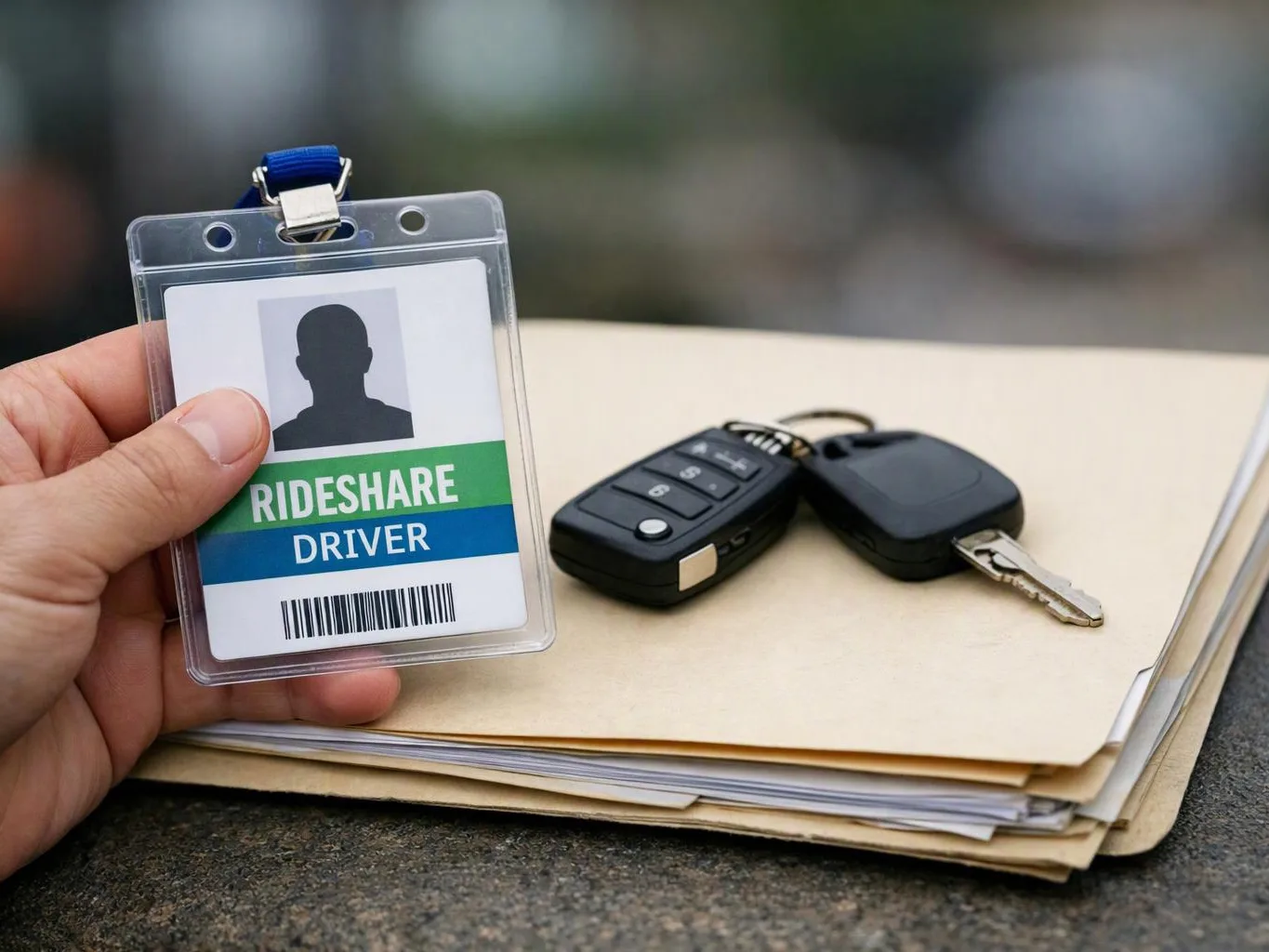
App receipts, trip messages, dispatch details, screenshots, and the police report can help show driver status. The vehicle damage and witness accounts may also support the timeline. Keep original messages and photographs, and do not edit records before sharing them for review.
When should I speak with a lawyer after a rideshare crash?
You should seek legal guidance after a rideshare crash when an injury, disputed fault, serious vehicle damage, or insurance problem affects the claim. Early review helps preserve app records, medical documents, photographs, and witness information. We can assess the available facts even when the full claim file is still developing.
Why do medical records matter in a rideshare injury claim?
Medical records connect the reported injury to the crash and document treatment, expenses, and changes in daily life. They also help explain conditions such as traumatic brain injury or spinal cord injury. Share bills, treatment notes, work records, and provider information so the claim reflects the documented effect of the collision.