Skip to content

Rideshare Accident Lawyer in College Park, Georgia

Crash evidence must be preserved after a rideshare collision in College Park. We review the available records and identify the issues that shape liability.

Licensed & InsuredFree EstimatesUpfront, Transparent PricingServing 51 Communities

Quick Summary: Rideshare accident legal help in College Park, Georgia

Rideshare Accident Lawyer in College Park is provided by Atlanta Auto Law for clients across Georgia. The service covers crash investigation, evidence gathering, insurance communication, and personal injury claims involving rideshare collisions.

  • What we do: Atlanta Auto Law handles rideshare injury claims in College Park, Georgia, from crash evidence review through settlement or litigation.
  • What is included: Our capabilities include accident investigation, police and medical record review, insurance negotiation, demand letters, and trial-ready case preparation.
  • What you get: The client receives a clear assessment of liability, claim value, and the next legal step.

Why does liability stay unclear after a rideshare crash in College Park, Georgia?

Liability can stay unclear because the driver’s status, platform coverage, crash evidence, and vehicle damage may point to different parties. A case review connects those facts with police records, medical records, witness accounts, and insurance documents. Early document gathering helps preserve the facts needed for settlement talks or litigation.

Rideshare Accident Lawyer for Crash Liability in College Park, Georgia

A rideshare crash claim often turns on facts beyond the impact itself. The driver may have been waiting for a request, traveling to pick up a passenger, or carrying a rider. Those details can affect the insurance analysis.

We focus on the buyer’s key question, which is who may be responsible and what evidence supports that conclusion. Our team reviews police and medical records, app-related information, witness accounts, vehicle damage, medical expenses, and lost wages.

The service fits people injured in rideshare collisions, including passengers, pedestrians, drivers, and families dealing with wrongful death. It does not replace medical care, and it cannot promise a result. Every case requires its own review before settlement or litigation decisions are made.

  • Confirm the driver’s role and activity during the collision.
  • Collect police records, medical records, photos, and witness information.
  • Review platform coverage and available insurance communications.
  • Match vehicle damage with the reported crash sequence.
  • Track medical expenses and lost wages tied to the injury.
A man’s hand rests on a black leather portfolio beside a cup of tea on a wooden table

Service Overview

A rideshare accident lawyer is a personal injury attorney who investigates crashes involving app-based drivers, passengers, pedestrians, and other motorists.

  • This service differs from a standard car accident claim because driver status and platform coverage can affect which insurance issues require review.
  • Atlanta Auto Law handles these claims for clients in College Park and throughout Georgia.
Process

How we build a rideshare injury claim

1

Gather the crash records

We collect the police report, medical records, photographs, witness details, insurance documents, and available trip information.

2

Check driver status

We identify what the rideshare driver was doing during the collision and review how that fact affects the insurance analysis.

3

Compare the physical evidence

Vehicle damage and injury records are compared with the accounts of the crash.

4

Assess losses and claim value

We evaluate medical expenses, lost wages, and other supported losses before discussing settlement.

5

Handle negotiation or litigation

We communicate with insurers, prepare a demand letter, and pursue discovery, mediation, settlement, or trial when appropriate.

A client scenario this service addresses

A hypothetical rideshare passenger in College Park may face a claim involving the rideshare driver, another motorist, and more than one insurer. We would review the driver’s status, platform records, police report, medical care, and vehicle damage before assessing liability.

How we approach rideshare liability questions

Separate the driver’s status

Driver status can change the insurance questions in a rideshare claim. We review the driver’s activity during the crash and connect it with the available records. This service is the wrong fit for matters unrelated to a personal injury or vehicle collision.

Test the evidence against the story

Crash accounts need support from records, photographs, witnesses, medical findings, and vehicle damage. We compare those sources instead of relying on one description of the event.

Prepare for settlement or litigation

A demand letter and insurance negotiation may resolve some claims. Other matters need discovery, mediation, or trial preparation, so we build the file with that possibility in mind.

What rideshare claim support includes

Atlanta Auto Law provides comprehensive Rideshare Accident Lawyer in College Park. Here's what you get:

  • We investigate the collision and gather evidence that may support liability.
  • We review police records, medical records, photos, and witness information.
  • We assess driver status and platform coverage as part of the insurance review.
  • We evaluate medical expenses and lost wages connected to the injury.
  • We communicate with insurance companies and prepare settlement discussions.
  • We pursue litigation when the case requires court-based representation.

What this legal review changes for an injured client

A focused liability review helps separate driver conduct from platform and insurance questions.

Organized records give settlement discussions a clearer factual base.

Medical expenses and lost wages receive attention alongside vehicle damage.

Clients receive answers they can understand as the claim moves forward.

Trial-ready case preparation keeps litigation available when settlement talks do not resolve the dispute.

Rideshare claim questions compared

These claim features show why a rideshare collision needs a focused legal review.

Claim featureWhat we examineWhy it matters
Driver statusTrip activity and available app recordsIt may affect the insurance analysis
Platform coverageInsurance communications and coverage informationIt helps identify the policies and parties involved
Vehicle damageDamage location, photos, and repair recordsIt helps test the reported crash sequence
Injury lossesMedical records, expenses, and wage recordsIt documents the claim’s effect on the client

The Atlanta Auto Law Standard

  • Personalized Guidance
  • Evidence Investigation
  • Clear Communication
  • Client Advocacy

Questions about rideshare injury claims

How can crash evidence show who caused a rideshare collision?

Crash evidence can show liability by linking vehicle damage, witness accounts, police records, and the reported sequence of impact. Atlanta Auto Law compares those sources with medical records and available trip information. The review also considers driver status and platform coverage, because the person who caused the impact and the insurer involved are not always the same question.

What documents should I bring to a first rideshare claim assessment?

Police records, medical records, photos, insurance notices, witness details, and trip information help start a rideshare claim assessment. Bring what you have, even if the file is incomplete. Our team can organize the records, identify gaps, and explain which facts need more support before insurance negotiation begins.

Which driver activity changes the insurance review?

The driver’s app and trip activity changes which insurance questions require review. A driver waiting for a request, traveling to pick up a rider, or carrying a passenger may present different coverage issues. We examine available trip records and communications, then compare them with the police report and crash facts.

When should I involve a lawyer after a rideshare crash?

A lawyer should be involved when injuries, disputed fault, multiple insurers, or unclear driver status complicate the claim. Early review helps preserve records and organize the evidence. Medical care should remain the priority, while photos, witness details, insurance messages, and trip information should be kept for the legal assessment.

Why does vehicle damage matter in an injury claim?

Vehicle damage matters because it can test whether the reported impact matches the physical evidence. Damage location, photographs, repair records, and the crash account may help address disputed fault. We consider vehicle damage with medical records and witness information, not as a stand-alone measure of injury.

How does a rideshare claim differ from a standard car accident claim?

A rideshare claim adds driver status and platform coverage to the usual crash and injury review. A standard car accident claim may involve fewer insurance questions. We still investigate fault, medical expenses, lost wages, and vehicle damage, but rideshare records can affect which parties and policies need attention.

What decides whether settlement talks or litigation make sense?

The evidence, injury issues, insurance position, and disputed facts help decide whether settlement talks or litigation fits the claim. We may prepare a demand letter and negotiate with insurers. If the dispute continues, discovery, mediation, or trial-ready preparation may become part of the case.
Contact

Request a Free Estimate for Rideshare Accident Legal Help

Share the crash details and available records, and urgent requests get priority scheduling.

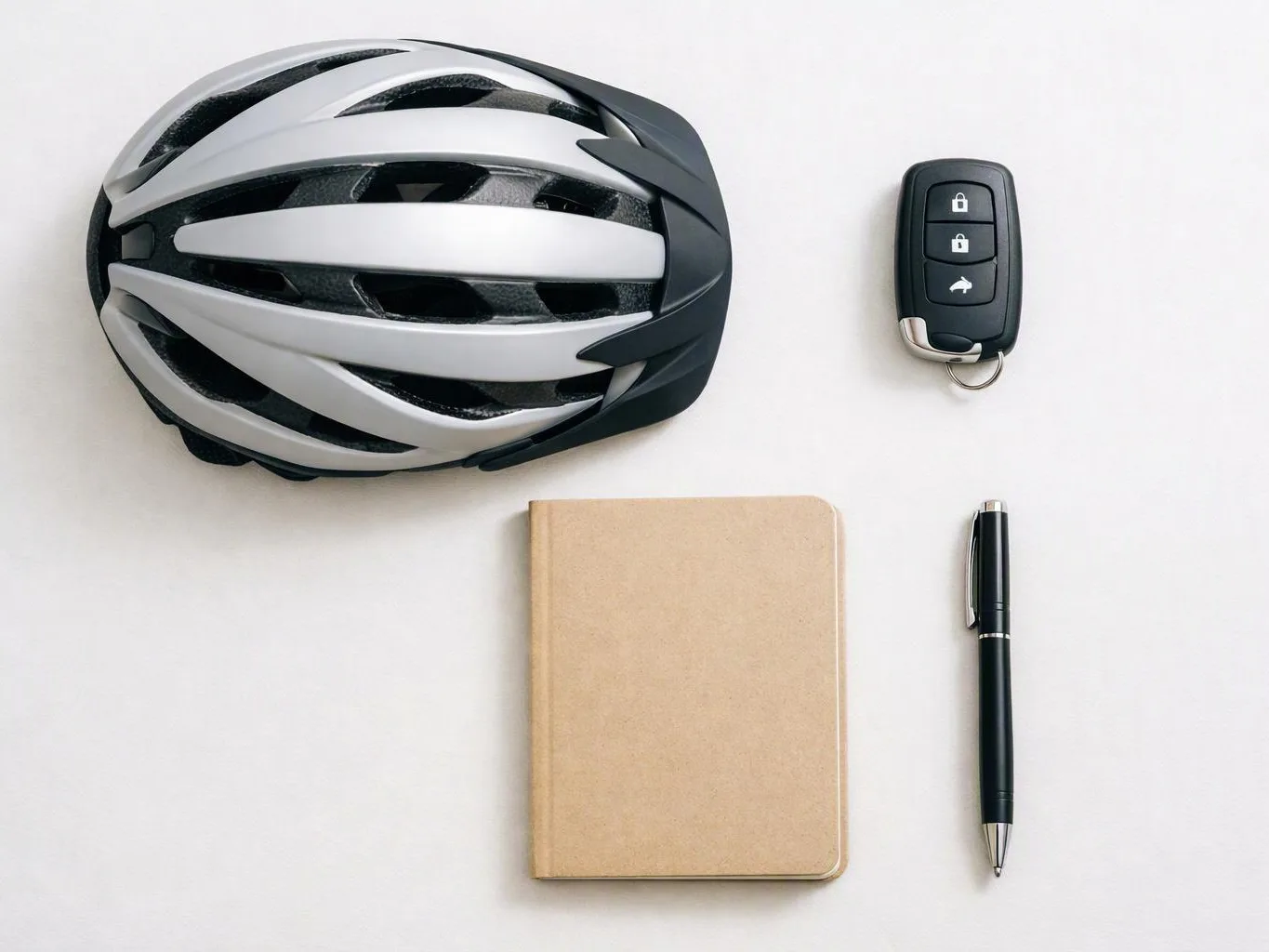
A bicycle helmet, car key fob, notebook, and pen are arranged neatly on a white surface

The information on this website is for general informational purposes only and is not legal advice, does not create an attorney-client relationship, and may not reflect current law in Decatur, Georgia, United States. Every situation is different; consult a licensed attorney about your specific matter. Prior results do not guarantee a similar outcome.

(678) 235-3870