How are defective product claims investigated?
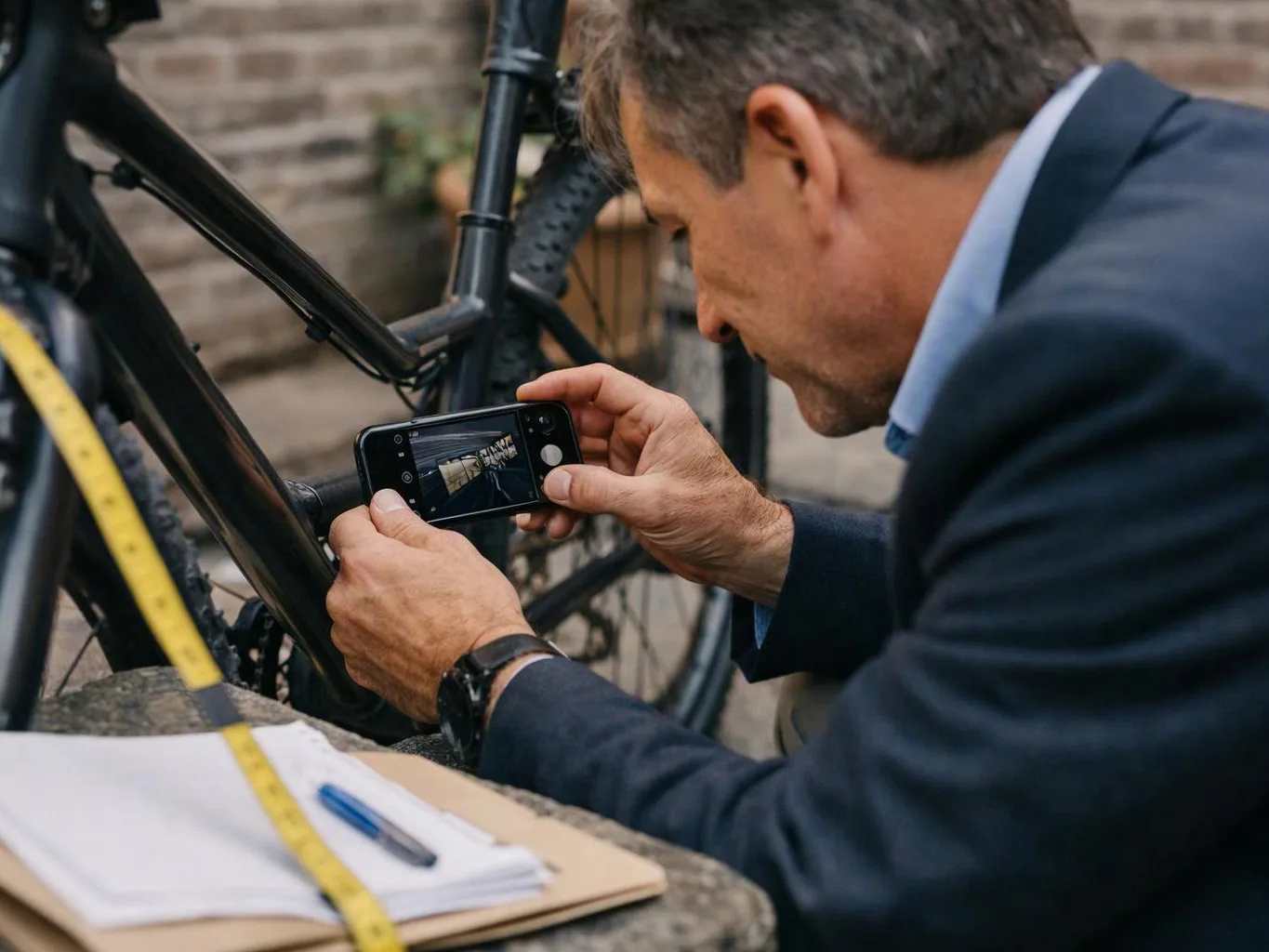
User instructions are checked against the product's intended use, warnings, and the reported failure. We also review the product, purchase records, photographs, medical records, recall notices, and witness information. Failure analysis can help connect the product condition to the injury. Atlanta Auto Law uses those records to assess responsibility and the next legal step.
What should be ready before a product liability review starts?
The product, purchase proof, instructions, warnings, photographs, and medical records should be ready before review starts. Keep damaged parts and packaging together, and avoid discarding or altering them. Incident notes and witness details also help establish the event sequence. Our team can identify additional records during the initial case evaluation.
Which product condition changes the investigation?
A missing, repaired, altered, or discarded product can change the investigation because physical evidence may no longer show the failure. We compare photographs, repair records, packaging, and witness accounts when the item has changed. Preserving every part gives the review a stronger factual base.
What should I ask before agreeing to legal representation?
Ask which evidence will be reviewed, who may be responsible, how insurance communication will work, and whether litigation preparation is included. Ask how medical expenses and lost wages will be documented. You should also understand the fee agreement, case costs, and the steps expected from you.
Which records help prove a product defect?
Purchase records, product instructions, warnings, photographs, medical records, recall notices, and incident reports help prove a product defect. Records should show what product was involved, how it was used, what failed, and what injury followed. We organize those materials with the claim's financial losses.
Can a claim involve more than the product maker?
Yes, a product liability claim can involve a manufacturer, seller, distributor, or another responsible party. The evidence must connect that party to the product defect or warning problem. We review the supply chain, purchase records, product materials, and injury facts before assessing the available legal theories.
How does product liability differ from a car accident claim?
Product liability focuses on a defective design, manufacturing problem, or warning issue, while a car accident claim focuses on driving conduct and crash facts. Some cases involve both theories when a defective vehicle part contributes to a collision. We separate each cause and match it to the supporting records.