Skip to content

Nursing Home Abuse Claims in Johns Creek, Georgia

We check behavior changes during nursing home abuse claims in Johns Creek. Our review connects warning signs with records, injuries, care, and family concerns.

Serving 66 CommunitiesMon-Sun: Open 24 hoursClear Scope Before WorkFast Scheduling

Quick Summary: Nursing home abuse cases in Johns Creek, Georgia

Nursing Home Abuse Claims in Johns Creek are handled by Atlanta Auto Law for residents and families facing suspected neglect or mistreatment. The work covers behavior changes, unexplained injuries, poor hygiene, and malnutrition signs, with free consultations available.

  • What we do: Atlanta Auto Law reviews nursing home abuse claims for families in Johns Creek, Georgia and examines care records, injuries, hygiene, nutrition, and reported behavior changes.
  • What is included: Evidence gathering, medical record review, facility record review, insurance communication, settlement work, and trial-ready case preparation.
  • What you get: Nursing home abuse claims produce a documented case assessment and a clear decision about the next legal step.

What are warning signs of nursing home abuse in Johns Creek, Georgia?

Behavior changes can signal nursing home abuse when fear, withdrawal, confusion, or anger appears without a clear explanation. Unexplained injuries, poor hygiene, weight loss, dehydration, and missed care also deserve review. Families should preserve photographs, messages, medical records, and facility notes. A legal review can then compare the signs with the care provided.

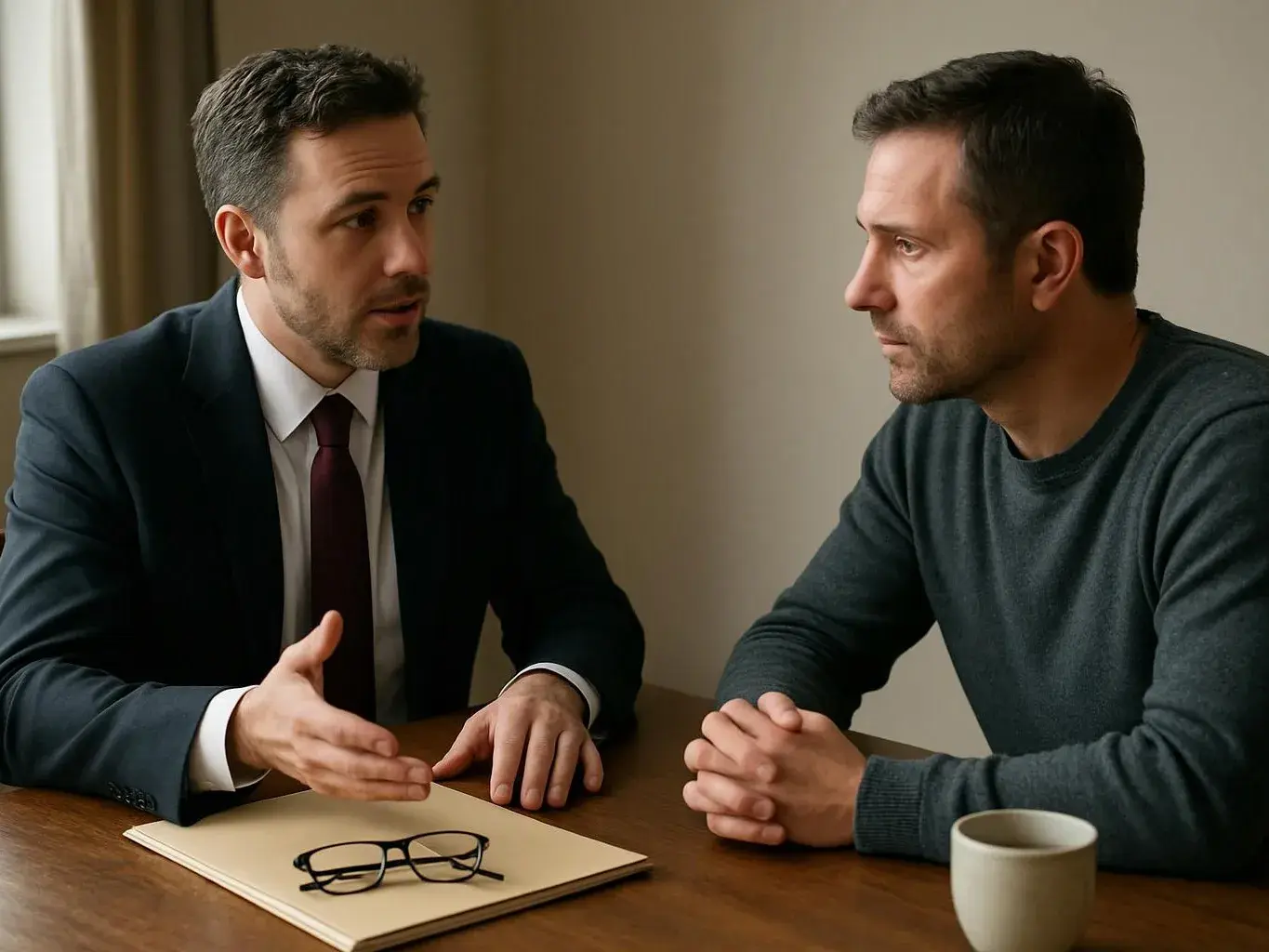
Nursing home abuse claims for behavior changes and care concerns

Nursing home abuse claims focus on what happened to a resident, when the condition changed, and whether the care matched the resident's needs. Families often begin with a behavior change, an injury with no clear cause, poor hygiene, or signs that a resident isn't eating or drinking enough.

The buyer's main decision is whether the available facts support a deeper legal review. We assess the account, gather records, and separate a possible abuse or neglect claim from a medical condition, an accident, or a dispute that belongs in another legal service. This page focuses on care-facility harm, not motor vehicle claims.

  • Record when the behavior or physical change first appeared.
  • Save photographs, messages, care notes, and medical records.
  • Write down who reported the concern and what they observed.
  • Ask for a case evaluation before discarding records or changing the account.
A man in a blue blazer writes in a notebook at a desk beside a lamp and bookshelves

Service Overview

Nursing home abuse claims are legal cases that address suspected harm, neglect, or mistreatment in a care facility.

  • These claims differ from ordinary car accident claims because the key proof often comes from care records, medical findings, staff notes, and changes in daily condition.
  • Atlanta Auto Law handles nursing home abuse claims for families in Johns Creek and surrounding Metro Atlanta communities.

What nursing home abuse claims include

Atlanta Auto Law provides comprehensive Nursing Home Abuse Claims in Johns Creek. Here's what you get:

  • We review the resident's reported symptoms, injuries, hygiene, nutrition, and daily care.
  • We examine available medical records, facility notes, photographs, messages, and witness accounts.
  • We investigate whether the reported condition matches the care documented by the facility.
  • We communicate with insurers and other parties involved in the claim.
  • We prepare demand materials, handle negotiation, and pursue litigation when the case calls for it.

What a careful abuse claim review changes

A record review helps connect a behavior change or physical sign to a specific care concern.

Families receive a clearer view of which facts support a claim and which facts need more proof.

Documented injuries and care gaps can support discussions about medical expenses, pain, and other losses.

A focused review keeps the case centered on the resident's condition and the care provided.

Our personal attention gives families one place to discuss records, questions, and next steps.

Process

How we build a nursing home abuse claim

1

Gather the first account

We discuss the resident's condition, the suspected event, the behavior change, and the records already available.

2

Review care and medical records

We compare facility notes, medical records, incident reports, photographs, messages, and witness accounts.

3

Assess injury and care gaps

We examine unexplained injuries, hygiene concerns, nutrition concerns, treatment records, and the timing of each change.

4

Present the claim

We prepare the claim, communicate with insurers, and pursue negotiation, mediation, discovery, or trial when appropriate.

5

Explain the next decision

We discuss the evidence, possible legal paths, and the records needed for the next stage of the case.

How we approach nursing home abuse claims

We start with the resident's condition

The first decision is what changed and what evidence can show it. We compare family accounts with medical records, facility notes, and other available proof.

We separate signs from causes

Confusion, weight loss, or an injury can have more than one cause. Our review considers medical explanations, care gaps, staff reports, and timing before we frame the claim.

We prepare for the right forum

Negotiation may fit some claims, while discovery, mediation, or trial may fit others. Nursing home abuse claims are the wrong service for a matter unrelated to resident care, such as a standalone traffic citation.

Care concerns compared by the evidence involved

These distinctions help families identify which facts to preserve for the first legal review.

Care concernWhat families may noticeRecords we review
Behavior changesFear, withdrawal, confusion, or angerMedical notes, medication records, family messages, and staff observations
Unexplained injuriesBruising, fractures, pain, or repeated injuryPhotographs, hospital records, incident reports, and witness accounts
Poor hygieneUnwashed clothing, untreated skin issues, or missed personal careCare notes, treatment records, photographs, and family observations
Malnutrition signsWeight loss, dehydration, weakness, or missed mealsMeal records, medical findings, nutrition plans, and facility notes

The Atlanta Auto Law Standard

  • Initial Consultations
  • Clear Communication
  • Claim Representation
  • Contingency Representation

Questions families ask about nursing home abuse claims

What are the warning signs of nursing home abuse?

Behavior changes can be warning signs when fear, withdrawal, confusion, or anger appears without a clear reason. Other signs include unexplained injuries, poor hygiene, dehydration, weight loss, and missed treatment. Atlanta Auto Law reviews the timing, medical records, facility notes, photographs, and witness accounts. A single sign doesn't prove abuse, but a pattern deserves careful review.

How does a nursing home abuse claim move from the first call to the last step?

Atlanta Auto Law starts with an intake, then reviews records, investigates the care history, and assesses the claim.

  1. We gather the family account and available documents.
  2. We compare medical and facility records.
  3. We prepare negotiation or litigation materials.
  4. We discuss settlement, mediation, discovery, or trial as the case develops.

Each case follows its own evidence and legal needs.

Which records should families save before a legal review?

Medical records, facility notes, incident reports, photographs, messages, and witness details provide useful starting evidence.

  • Save hospital and doctor records.
  • Keep photographs with their dates.
  • Write down conversations with facility staff.
  • Preserve billing and care documents.

Our team uses these materials to compare the resident's condition with the care reported.

How can a family tell whether this service fits the problem?

The service fits suspected abuse, neglect, unsafe care, unexplained injury, or a serious failure to meet a resident's needs. A separate legal service may fit a matter unrelated to the resident's care, such as a standalone traffic dispute. We review the facts first, then explain whether the evidence supports a nursing home abuse claim.

Which part of the resident's condition decides the case scope?

The resident's documented condition, the suspected cause, and the care records usually shape the case scope. We look at behavior changes, injuries, hygiene, nutrition, treatment, and the timing of each event. The number of records, medical issues, involved parties, and need for discovery also affect the work required.

What happens if the facility denies the problem?

A facility denial does not end the review because records and medical findings may provide other evidence. We compare the denial with incident reports, care notes, photographs, hospital records, and witness accounts. Our team can address the documented facts in negotiations or litigation. Families should preserve the original records and avoid altering messages or photographs.

Do clients pay legal fees if the claim does not succeed?

Our contingency-fee basis means clients pay no fees unless we win their case. The agreement explains the legal fee and case costs before representation begins. We also offer free consultations and free estimates. The final arrangement depends on the written agreement and the facts of the claim.
Contact

Request a Free Estimate for Nursing Home Abuse Claims in Johns Creek

Ask Atlanta Auto Law to review your nursing home abuse concerns, and urgent requests get priority scheduling.

Nursing Home Abuse Claims in Other Areas

The information on this website is for general informational purposes only and is not legal advice, does not create an attorney-client relationship, and may not reflect current law in Decatur, Georgia, United States. Every situation is different; consult a licensed attorney about your specific matter. Prior results do not guarantee a similar outcome.

(678) 235-3870