What should I do with my protective gear after a crash?
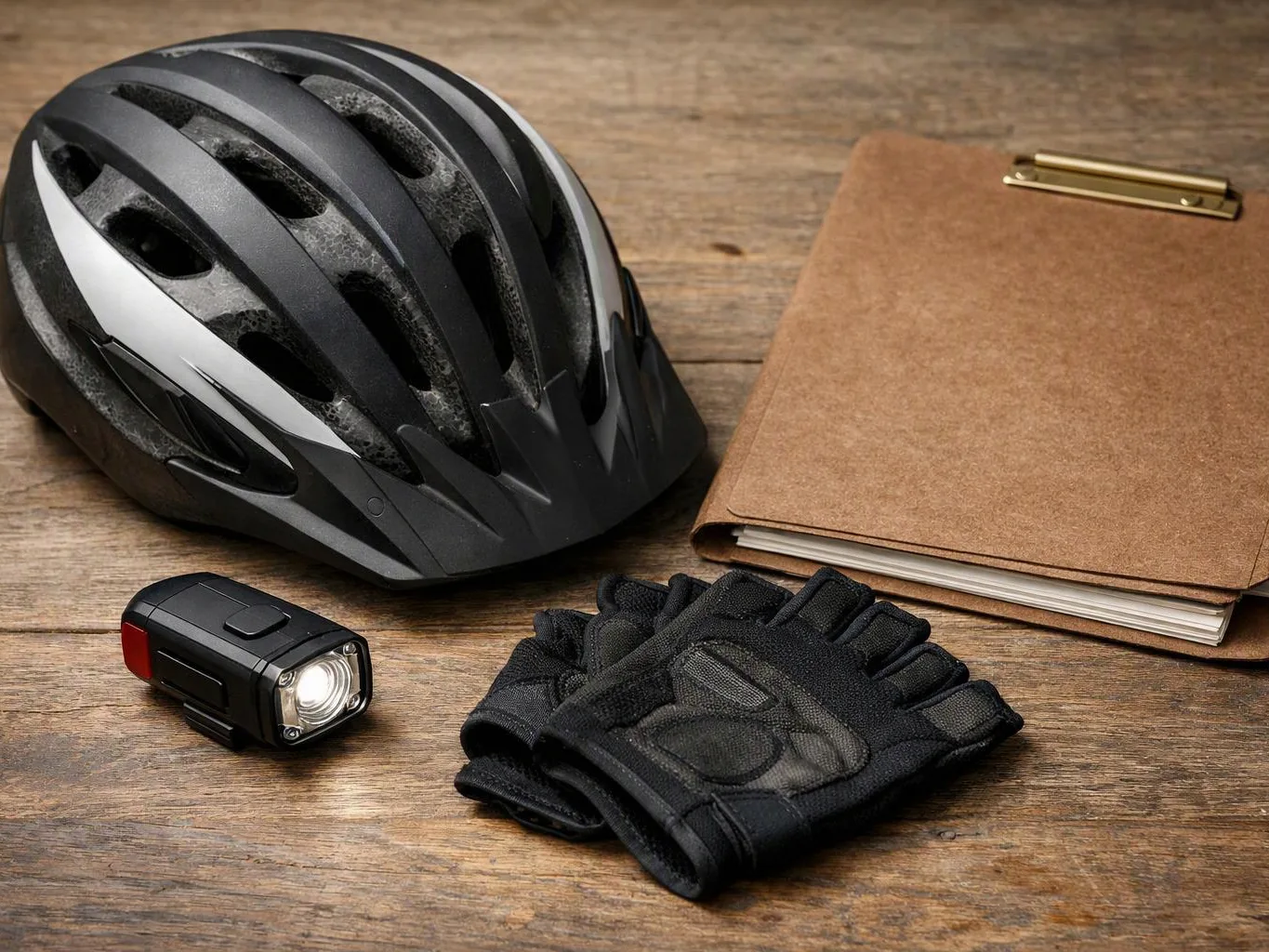
Protective gear should be preserved and not discarded after a motorcycle crash. Atlanta Auto Law reviews its condition with photographs, the police report, medical records, and witness statements. Keep helmets, jackets, gloves, and other gear in their post-crash condition when possible. Seek medical care and avoid detailed fault statements until the claim receives legal review.
Who is a good fit for motorcycle crash legal help?
Injured riders and families facing an insurance claim, serious injury, or wrongful death are good fits for this service. We review negligent driving, disputed accounts, medical expenses, and lost wages. A criminal charge, such as DUI defense, requires a different legal service. Every case is different, so the initial facts guide the next step.
What happens during each stage of the claim?
A motorcycle crash claim moves through intake, evidence gathering, loss review, insurance negotiation, and possible litigation. We first review the crash and records. We then assess injuries and documented losses before sending a demand letter or entering negotiations. Discovery, mediation, or trial preparation may follow when the insurer disputes the claim.
What does the legal team look at first?
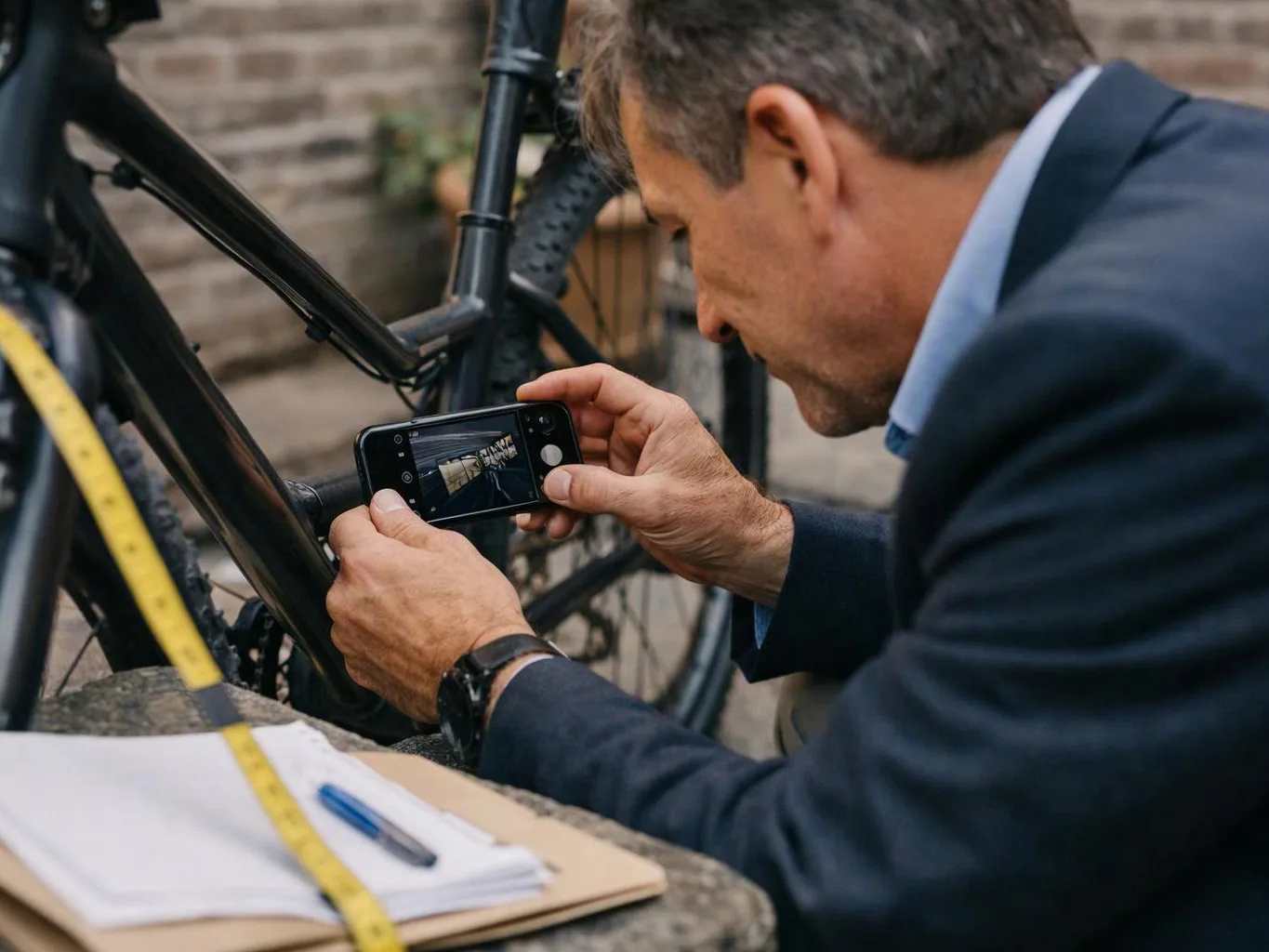
The first review covers the crash account, injuries, medical care, insurance contact, and available evidence. We then examine the police report, photographs, medical records, witness statements, and damage information. Early preservation matters because records and physical evidence can change. Clients should save documents and avoid deleting messages or photographs.
Which documents should I bring to an initial consultation?
Police reports, medical records, bills, photographs, witness details, and insurance letters are useful starting documents. A complete file is not required to begin a discussion. We can identify what needs follow-up after reviewing the crash account. Work records can also help show lost wages tied to the injury.
How does a denied claim receive further review?
A denied claim receives further review through its stated reason, supporting records, and the facts of the crash. We compare the denial with medical records, the police report, witness statements, and available photographs. The next step may involve additional evidence, a demand letter, negotiation, or litigation. The right path depends on the claim record.
Why should I avoid discussing fault with an insurer?
Fault statements can affect how an insurer frames the crash and evaluates the claim. We help organize the facts before responding to insurance requests. Riders should give accurate information, preserve records, and avoid guesses about speed, position, or responsibility. Legal review can clarify which documents and answers support the claim.