Skip to content

Lithium-Ion Micromobility Battery Fire Injury Claims in Atlanta, GA

A lithium-ion battery fire can cause burns, smoke exposure, and serious property loss. We build the claim around medical records, device evidence, and the losses you suffered.

Serving 66 CommunitiesMon-Sun: Open 24 hoursClear Scope Before WorkFast Scheduling
Lithium-Ion Micromobility Battery Fire Injury Claims help people in Atlanta pursue compensation after a scooter, e-bike, or similar battery fire. Atlanta Auto Law investigates the incident, gathers records, and addresses the parties who may share responsibility. We review the injury, the battery, the charging history, and the available insurance information. We're open 24 hours a day, every day, and we provide free, no-obligation initial case consultations.

What a documented battery fire claim changes

A clear record can connect the fire to burns, smoke exposure, or other injuries.

Evidence about the device and charger can help identify possible responsibility.

A focused claim can include medical expenses, lost wages, pain, and related losses.

A quiet meeting room has a round table, four chairs, a lamp, a window, and a monitor with folders on the table
About

What battery fire injury claims examine

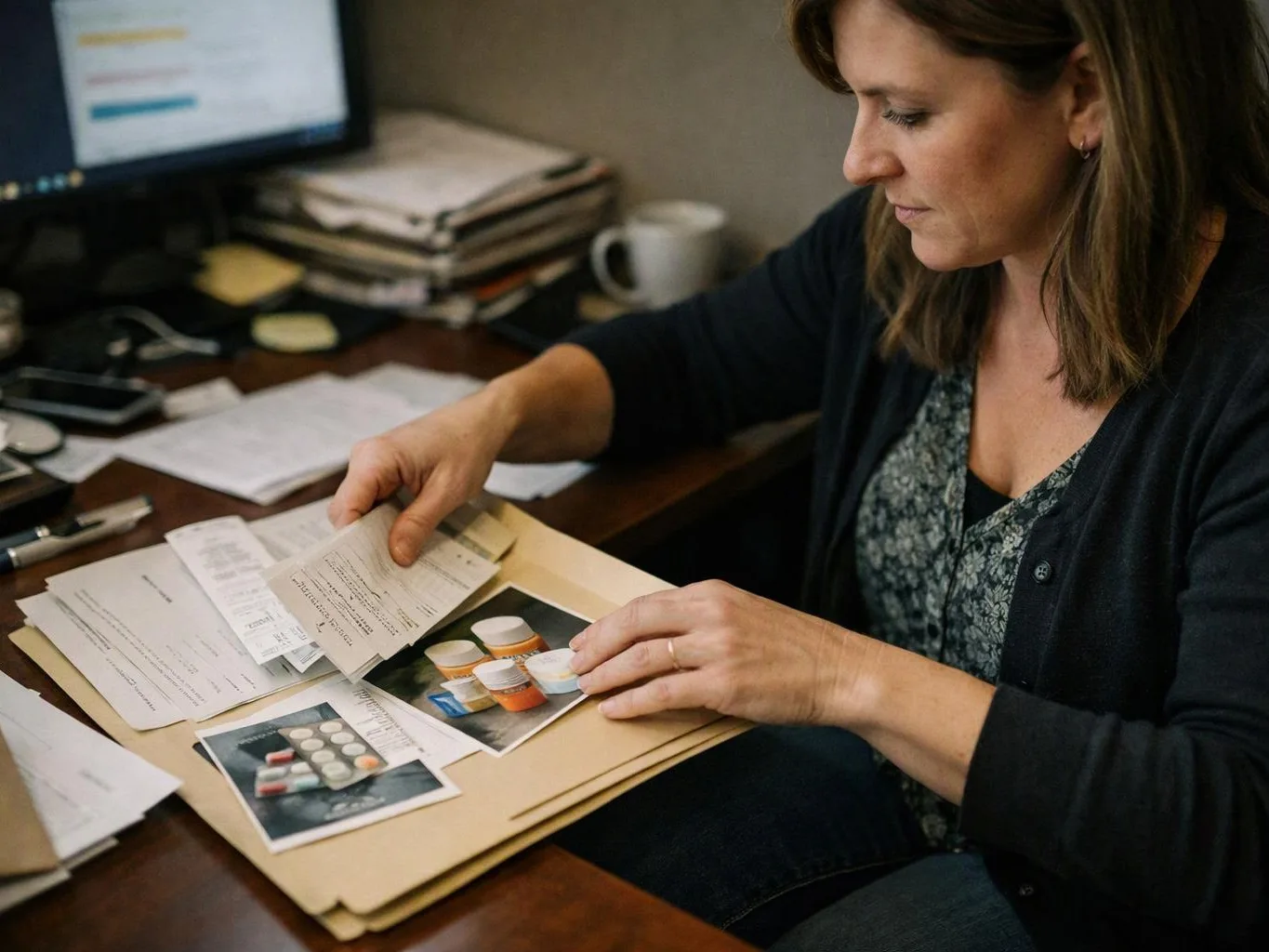
A battery fire claim starts with the injury and the event that caused it. The claim may involve a scooter or e-bike maker, seller, charger maker, owner, property party, or another responsible party. Our team gathers medical records, photographs, witness accounts, purchase documents, and insurance information. We also examine what remains of the device and the charging setup when that evidence is available. The claim must connect the fire to your losses. Medical expenses, lost wages, pain, and other harm need clear support. Every case is different, so we explain the available options before engagement.

What Lithium-Ion Micromobility Battery Fire Injury Claims Covers

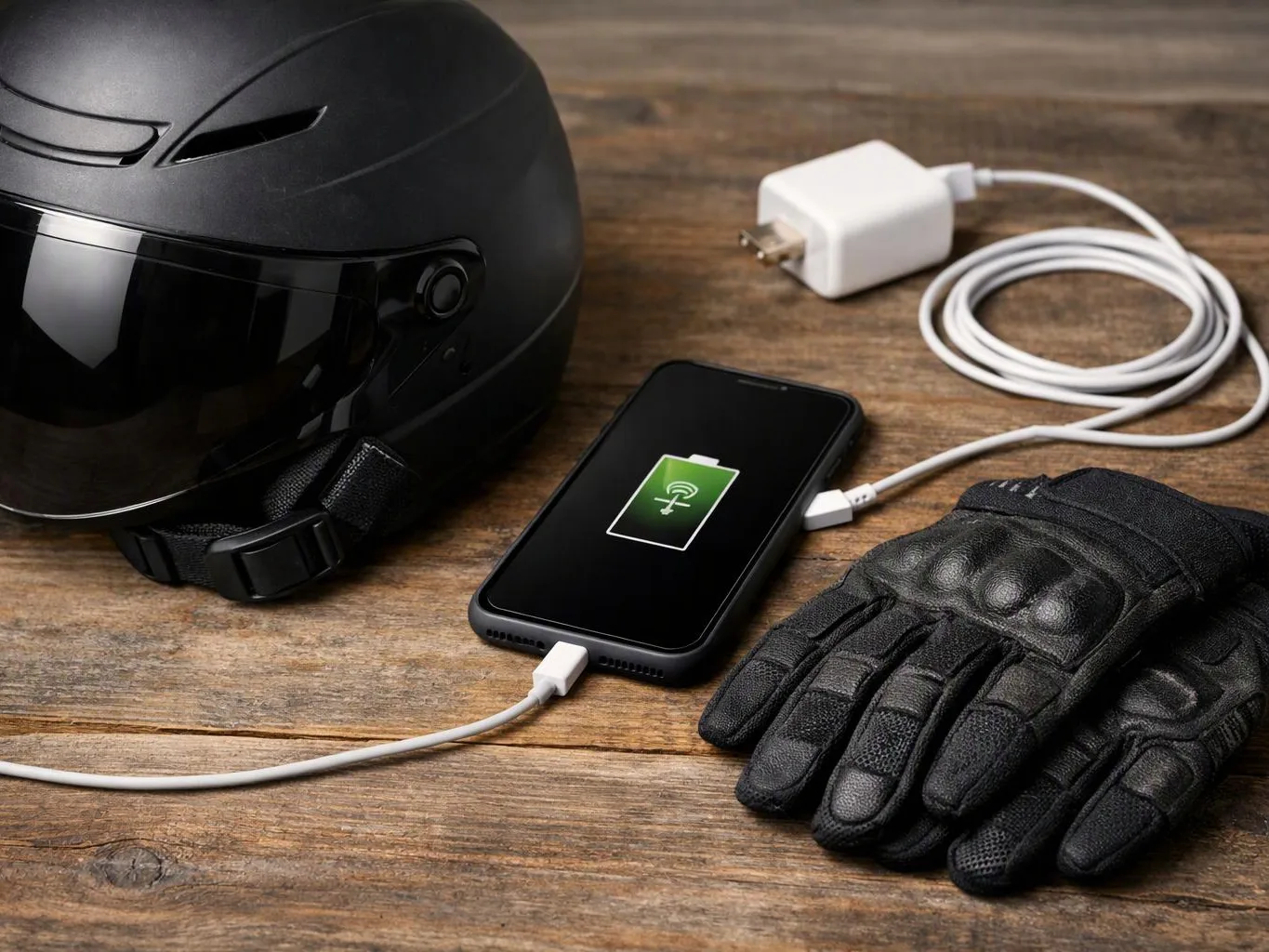
Lithium-Ion Micromobility Battery Fire Injury Claims are personal injury claims that seek compensation after a battery fire harms a rider, owner, worker, or nearby person.

  • These claims differ from ordinary vehicle crash claims because battery condition, charging history, product design, and fire evidence can affect liability.
  • Atlanta location matters for selecting the proper claim records, medical providers, insurers, and court process.
Process

How we build a battery fire injury claim

1

Record the fire and injury

We take an intake account covering the device, charger, location, fire sequence, medical care, and current losses.

2

Collect device and scene evidence

We gather photographs, purchase records, witness details, incident reports, and any remaining battery or charger evidence.

3

Review medical and wage records

We organize treatment records, bills, work-loss proof, and other documents that show the effect of the injury.

4

Assess possible responsibility

We examine product issues, charging conditions, warnings, ownership, maintenance, and insurance positions before choosing a claim path.

5

Pursue the claim

We prepare the demand, manage insurance negotiations, and handle litigation when the case requires it.

What to gather before discussing a battery fire claim

These items help us understand the fire, the injury, and the losses tied to it.

  • Photos or video of the device, battery, charger, room, and visible damage.
  • Medical records, bills, prescriptions, and notes about symptoms after the fire.
  • Purchase receipts, product listings, manuals, warnings, and charging instructions.
  • Names and contact details for witnesses, property managers, sellers, or insurers.
  • A short account of when the device was charged, used, stored, and discovered burning.

The Atlanta Auto Law Standard

Claim Representation

We investigate the battery fire, gather device and medical evidence, and manage negotiations or litigation for the injury claim.

Phone Intake

We keep phone intake available around the clock for people seeking help after a micromobility battery fire injury.

Process Guidance

We explain possible liability, needed records, claim choices, and client responsibilities before engagement.

Questions about battery fire injury claims

Who provides lithium-ion micromobility battery fire injury claim representation?

Atlanta Auto Law provides representation for people injured by micromobility battery fires. We investigate the device, charger, fire scene, medical records, and insurance position. Our team may communicate with insurers, prepare a demand, and pursue litigation when needed. Every case is different, so we explain potential options before engagement.

What evidence supports a scooter or e-bike battery fire claim?

Photographs, medical records, purchase documents, charging details, witness accounts, and remaining device parts support a battery fire claim. Evidence should show what happened, who was injured, and what losses followed. Preserve the battery and charger when safe, and avoid discarding records before our team reviews them.

What injuries can follow a micromobility battery fire?

Burns, smoke exposure, breathing problems, and other physical injuries can follow a micromobility battery fire. Medical records should describe symptoms, treatment, and work limits. We use those records with incident evidence to document compensation for medical expenses, lost wages, pain, and related losses.

What decides the cost of pursuing a battery fire injury claim?

The claim’s cost depends on the evidence, parties involved, investigation needs, medical records, and whether litigation becomes necessary. Atlanta Auto Law offers free, no-obligation initial case consultations. We use contingency-based representation, so clients generally pay attorney fees only when cases succeed.

Can the device manufacturer or seller be responsible for the fire?

A manufacturer or seller may share responsibility when product evidence supports a defect, warning issue, or other legal theory. The device history, charger, purchase path, and available fire evidence matter. We investigate those records and compare them with the injuries and losses before presenting a claim.

What should I do with a burned battery or charger?

A burned battery or charger should be kept safe and preserved when possible. Do not alter, repair, or discard the device before evidence is reviewed. Take photographs from safe distances, save purchase records, and seek medical care for symptoms. Our team can discuss the available claim records during an initial consultation.

How do medical bills and lost wages fit into the claim?

Medical bills and lost wages document financial losses caused by the fire injury. Treatment records show care, while employer or wage records can show missed work. We gather those documents with proof of pain and other losses, then include supported damages in the claim.

Also Offering Lithium-Ion Micromobility Battery Fire Injury Claims

Contact

Request a free consultation about a battery fire injury claim

Share the fire and injury details with Atlanta Auto Law, and urgent requests get priority scheduling.

Scenarios

When Customers Call Us About Lithium-Ion Micromobility Battery Fire Injury Claims

1

Burns after an e-bike fire

An e-bike battery fire can leave burns, smoke exposure, and damaged personal property at once. The medical record should describe the injury and connect treatment to the event. Keep photos, purchase details, and the charger if they remain available. Atlanta Auto Law can review those materials during a free initial case consultation.

2

Smoke exposure after indoor charging

Indoor charging can create a claim involving smoke symptoms, emergency treatment, and damage to the surrounding space. The cause may depend on the battery, charger, outlet, warnings, or charging conditions. Write down what happened while it remains fresh, preserve photographs, and seek medical care for symptoms before discussing the claim with our team.

3

Device evidence after a fire

A burned scooter or battery may look like debris, but it can hold important evidence about the fire. Do not discard remaining parts, charger records, or purchase documents before they are reviewed. Our team compares the available device history with medical records, witness accounts, and insurance information to identify the next claim step.


Our Other Services

Car Accident ClaimsAfter a collision, medical bills and repair estimates can arrive before the insurer responds. We handle crash reports, liability evidence and injury records to pursue compensation for treatment, lost wages and other losses.
Truck Accident ClaimsTruck crashes often involve serious injuries and extensive evidence. We examine driver logs, maintenance records, cargo loading and electronic data to identify liability and seek payment for medical care and lost income.
Motorcycle Accident ClaimsMotorcycle riders can face severe harm after a driver misses them at an intersection. We use helmet damage, roadway evidence and witness accounts to build a claim for fractures, surgery and related losses.
Pedestrian Accident ClaimsA pedestrian struck in a crosswalk may face hospital care, missed work and lasting pain. We review traffic signals, surveillance footage and driver conduct to pursue compensation for injuries and financial losses.
Bicycle Accident ClaimsA bicycle crash can leave you facing broken equipment and serious injuries at once. We examine bike damage, lane markings and medical records while seeking recovery for treatment, rehabilitation and lost wages.
Rideshare Accident ClaimsRideshare collisions can involve the driver, passenger, platform and multiple insurance policies. We sort through trip records, app status and crash evidence to identify coverage and pursue compensation for your injuries.

The information on this website is for general informational purposes only and is not legal advice, does not create an attorney-client relationship, and may not reflect current law in Decatur, Georgia, United States. Every situation is different; consult a licensed attorney about your specific matter. Prior results do not guarantee a similar outcome.

(678) 235-3870