Which clues help identify a driver after a hit-and-run?
Atlanta Auto Law starts with vehicle debris, witness statements, traffic cameras, and license plate details. We compare those clues with police and medical records to build a consistent account of the crash. A partial plate or vehicle description can still matter when it matches the time, location, and impact evidence. Preserve the records and photographs for review.
What should I bring to the first legal consultation?
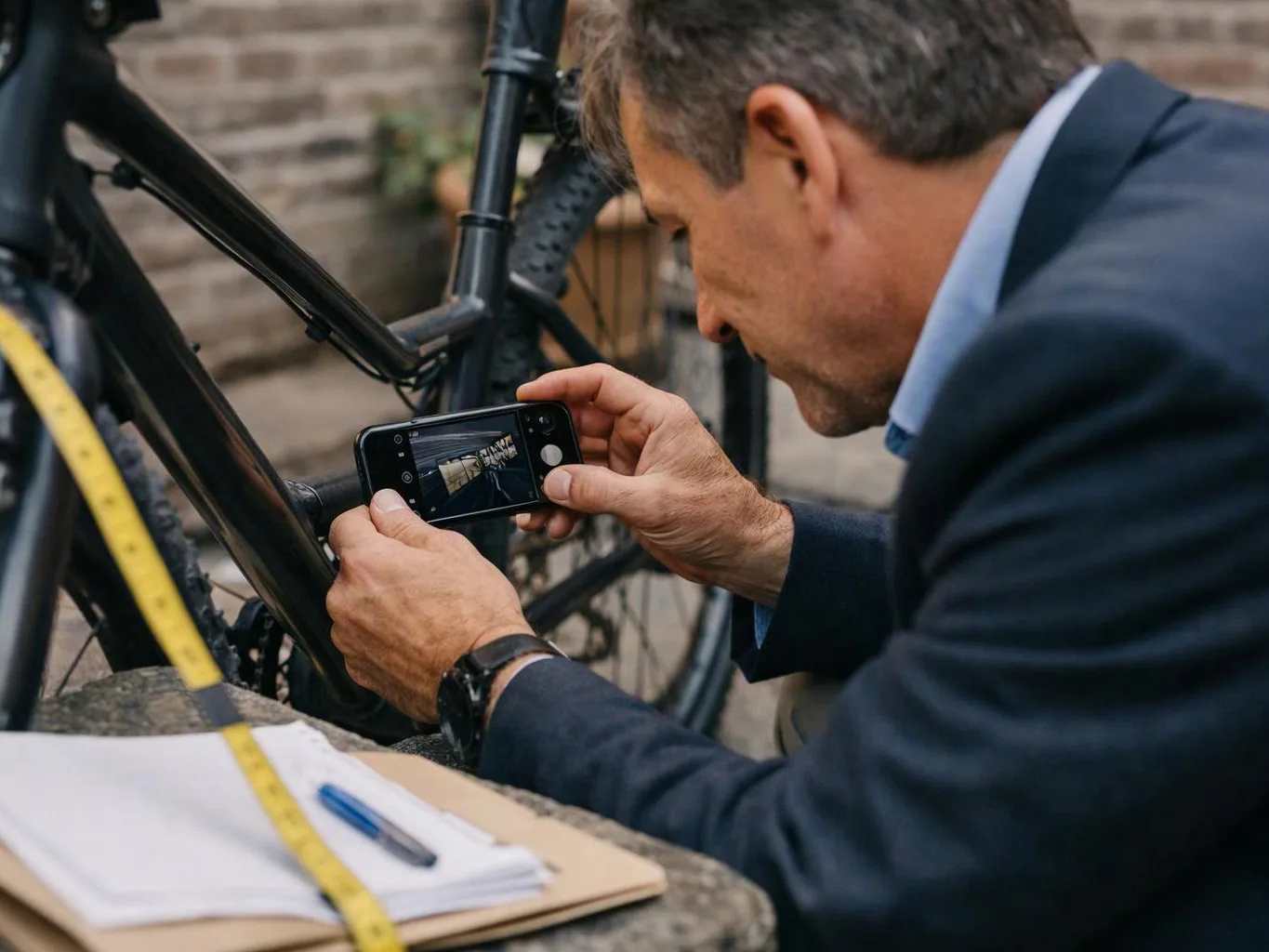
Crash records, medical documents, photographs, insurer messages, and witness details give us a useful starting record. Bring damaged vehicle parts or clear images when available. A written timeline also helps identify gaps between the impact, medical care, police report, and later insurance contact.
How does a claim move from the first call to the last step?
The claim moves from intake and evidence review to investigation, insurer contact, and a decision about settlement or litigation. We then gather records, assess losses, and prepare the supported legal path. Mediation, discovery, or trial may follow when the facts require more than direct negotiation.
Which part of the crash decides the legal work?
The available proof of the striking vehicle and the extent of your injury usually shape the legal work. Debris, witnesses, camera footage, and plate details guide the identity review. Medical records and wage documents define the losses that the claim must address.
What changes the time needed to review camera footage?
Camera access, recording coverage, image quality, and the accuracy of the crash time affect the review. We first identify possible sources and then assess whether the footage shows the impact or departing vehicle. Share every known camera location promptly so the investigation can focus on relevant records.
Can a personal injury lawyer handle the insurer for me?
Yes, Atlanta Auto Law communicates with insurance companies about the crash, coverage, injuries, and losses. We review requests for statements and documents before responding when legal guidance is needed. Our work can include demand preparation, negotiation, mediation, or litigation based on the claim.
Why does the driver's identity matter for an injury claim?
The driver's identity can connect the crash to a responsible party and support the search for applicable insurance coverage. Identification also helps test conflicting accounts about fault and impact. An unknown driver does not change the need to document treatment, lost wages, vehicle damage, and every available crash clue.