
What Is Burden of Proof?
Burden of Proof is the responsibility to present enough reliable evidence to support a legal claim or defense. In a civil medical malpractice case, the injured patient generally must establish the facts needed to show that negligent medical care caused harm. The required level of proof depends on the type of proceeding.
Quick Facts About Burden of Proof
Category
Litigation standard
Used for
Supporting claims and defenses
Common confusion
Burden of proof versus standard of proof
Also called
Evidentiary burden
Often discussed with
Medical Malpractice Lawyer
Key Takeaways About Burden of Proof
- The responsible party may differ between a claim and a defense.
- Evidence must connect medical care to the claimed injury.
- Burden of proof is not the same as the amount of evidence.
How Burden of Proof Works
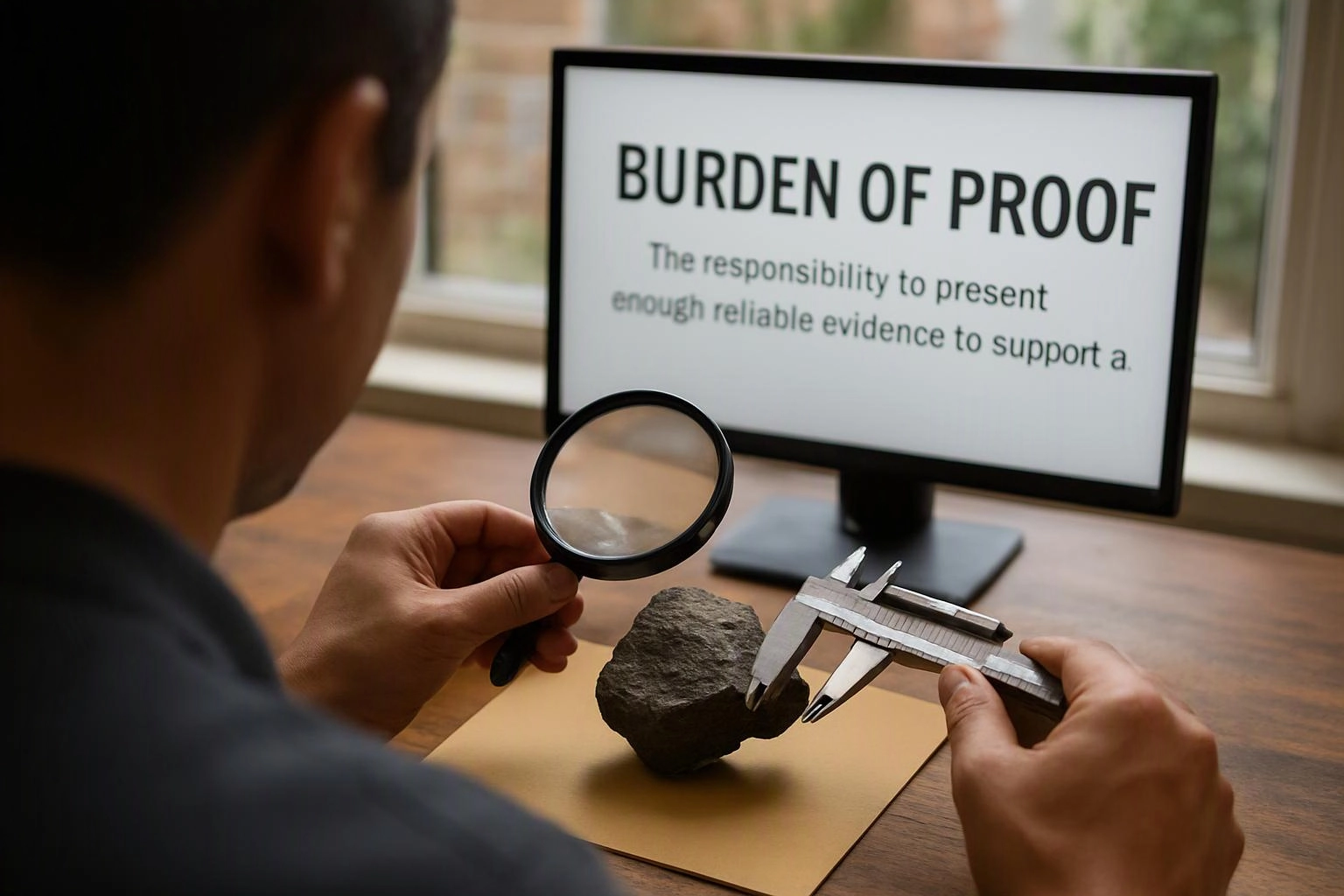
Burden of Proof determines which party must support a position with evidence. In a medical malpractice claim, the patient typically presents evidence about the medical provider's conduct, the applicable professional duty, the departure from accepted care, and the resulting injury. The opposing party may challenge those points or present evidence supporting a defense.
Related glossary terms: Causation, Duty of Care, Expert Witness.
The burden can shift during a case when a party raises a separate defense or legal issue. The decision-maker then evaluates whether the evidence meets the applicable standard of proof. Medical records, testimony from qualified experts, treatment history, and evidence about the patient's condition may help connect the care at issue with the claimed harm. The burden concerns responsibility for proving an issue, while the standard describes how convincing the proof must be.

From the Atlanta Auto Law team
When we review a medical malpractice matter, we organize the evidence around each required legal element. Our team compares medical records, treatment timelines, expert opinions, and the claimed injury to assess whether the available proof supports the theory of negligence.
Burden of Proof in Practice: A Real-World Example
A patient claims that a delayed diagnosis caused a serious injury. The patient may need evidence showing what the provider should have recognized, how the care departed from that duty, and how the delay caused the injury.
Related Services
Related Terms
Causation
Causation is the connection between an act or event and the harm that follows. In a…
Duty of Care
Duty of Care is a legal responsibility to act with reasonable caution toward people who could…
Expert Witness
An Expert Witness is a qualified professional who applies specialized knowledge to explain technical issues in…
Negligence
Negligence is a failure to use the level of care that a reasonably careful person would…
Atlanta Auto Law
Have Questions About Burden of Proof?
Contact Atlanta Auto Law for practical guidance on Burden of Proof and related personal injury attorney work in Decatur.